
Why Your Child’s Behavior Gets Worse When You’re Stressed (And How Co-Regulation Helps)
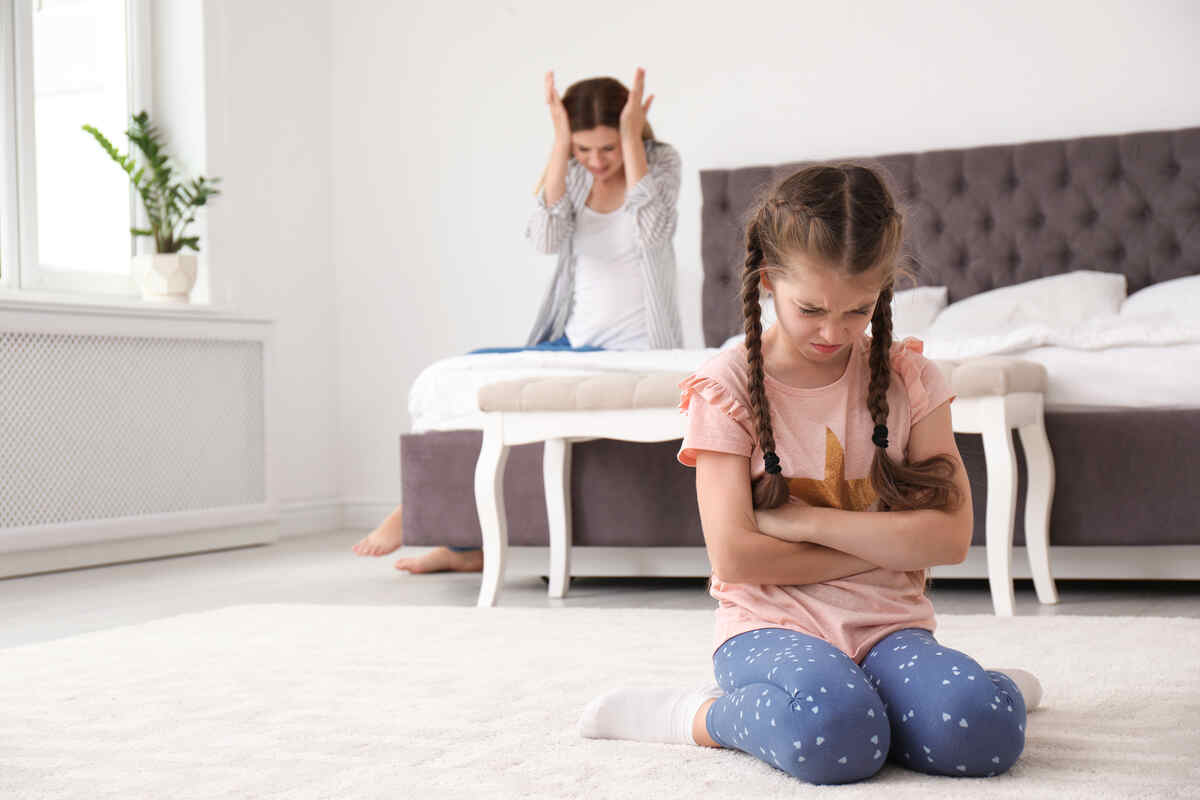
You pull into the driveway after a long day of back-to-back meetings and tight work deadlines, hoping for a peaceful evening with your family. Instead, within ten minutes of walking through the front door, your toddler throws an intense meltdown over the wrong colored cup or flatly refuses to put on their shoes. It feels like your child intuitively knows the exact moments you are running on empty, leaving you feeling frustrated, overwhelmed, and battling a quiet wave of parenting guilt.
When your child's behavior spirals during your most stressful days, it isn't a deliberate attempt to push your buttons or test your authority. Early childhood behavior is deeply connected to your emotional state through a biological process known as co-regulation. Understanding how your child picks up on your internal stress—and borrowing your calm instead of reacting to your pressure—is the key to restoring balance in your home.
The Science of Co-Regulation: How Nervous Systems Talk to Each Other
Understanding why your emotional state directly impacts your young child requires looking at how early childhood brain development works. Co-regulation is the biological process where a young child’s undeveloped nervous system relies on an adult’s steady, calm nervous system to feel secure and regulate big emotions. Children aren't born with the innate ability to soothe themselves when overwhelmed; they build this skill over years through consistent, supportive interactions with trusted caregivers.
Mirror Neurons: Your Child's Emotional Radar
This biological connection operates largely through mirror neurons in the brain, which act as a constant emotional radar for your child. Long before toddlers or preschoolers understand complex sentences, their brain continuously scans your body language, facial expressions, and vocal tones for cues about whether their environment is safe. When you are feeling rushed, anxious, or internally stressed, your body emits subtle signals—such as a tight jaw, short breathing, or a sharper tone—that your child's mirror neurons register instantly.
Why Self-Regulation Starts with Borrowed Calm
Because young children lack fully developed neural pathways in their prefrontal cortex, they cannot self-regulate independently during times of distress. They literally have to borrow an adult's calm, grounded nervous system to bring their own stress response back down to baseline. When you offer a steady, quiet presence during a tense moment, your nervous system acts as a stabilizing anchor that helps reset their internal alarm system.
The Biological Difference Between Regulation and Isolation
Leaving a dysregulated child alone to "calm down" or figure out their emotions on their own often escalates their internal distress rather than fixing it. Young nervous systems interpret emotional isolation during high stress as unsafe, which can trigger higher cortisol levels and increased anxiety. True co-regulation provides a supportive bridge, teaching your child's brain that difficult emotions are manageable when shared with a safe, caring adult.

The High-Stress Trap: What Happens When a Child Borrows Stress Instead of Calm
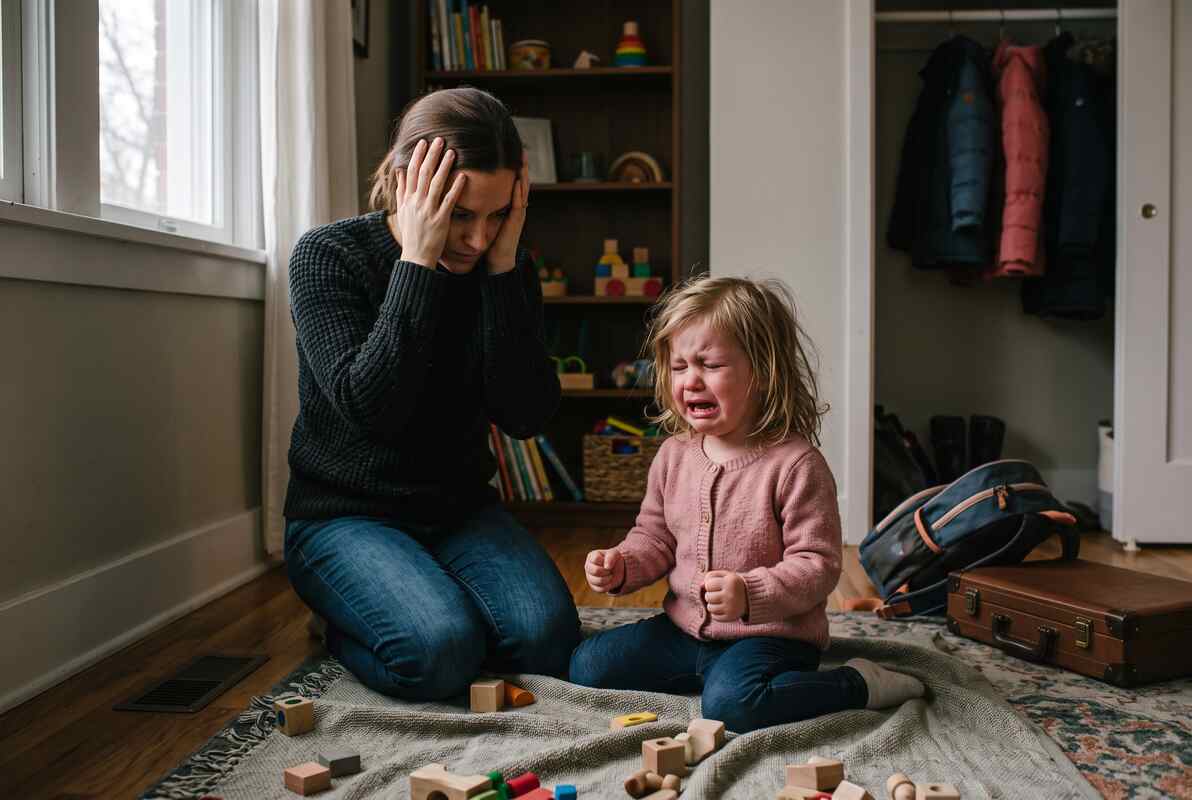
When you arrive home operating in high-alert mode, your young child doesn't just observe your exhaustion—their body actively absorbs it. Because toddlers and preschoolers lack a fully developed emotional filter, they register parental stress as an immediate signal that their environment is unstable or unsafe. Instead of finding a calm anchor to help them wind down after a long day at daycare or preschool, they end up borrowing your heightened nervous system state.
The Stress Transfer
This biological transfer happens in a matter of seconds during daily home transitions. When you walk through the door carrying the weight of unfinished work assignments, tight project deadlines, or commuting frustration, your child’s brain senses that unspoken tension before you say a single word. Their body responds by releasing its own stress hormones, causing their energy and mood to rapidly match your internal pressure.
When two nervous systems in a home are both operating in fight-or-flight mode, emotional conflict becomes almost inevitable. You might expect your child to settle down quietly so you can catch your breath, but their system is reacting to the invisible stress signals you are sending out. This creates a reactive feedback loop where parent and child continuously feed off each other's anxiety, turning simple evening tasks into exhausting emotional battles.
Behavior as Communication
When parents experience sudden tantrums or explosive behavior in children, it is often a sign of underlying emotional dysregulation rather than intentional misbehavior. These challenging outbursts are active, biological signals that your child's emotional cup is overflowing and their system is experiencing total overload. These challenging behaviors are active, biological signals that your child's emotional cup is overflowing and their system is experiencing total overload. They do not have the cognitive tools to say, "I feel overwhelmed by the transition today," so their body expresses that distress through sudden behavioral outbursts.
Expecting a toddler or preschooler to use calm, logical words when their nervous system is overwhelmed is biologically unrealistic. Young children rely entirely on adult behavior to help them interpret what they are feeling inside. When their behavior spirals out of control, it is a direct request for external co-regulation rather than a deliberate attempt to be disruptive or disobedient.
The Operational Breakdown at Home
Trying to fix a dysregulated meltdown with strict discipline, lengthy lectures, or sudden time-outs usually backfires during a high-stress evening. When an adult reacts to a child's breakdown with heightened frustration, sharp demands, or emotional withdrawal, it signals more danger to the child's nervous system. Instead of helping the child calm down, harsh disciplinary measures escalate the emotional explosion and prolong the meltdown.
Traditional consequence models assume that the child is making a conscious, logical choice to misbehave, but dysregulation is an involuntary physiological response. When you punish a child for being dysregulated, you increase their fear and isolation, making it even harder for their brain to settle down. Real relief begins when you stop treating the meltdown as bad behavior and start addressing the underlying sensory and emotional overload.
Practical Co-Regulation Strategies for Busy Working Parents
When you arrive home after a high-pressure workday, shifting gears from professional demands to parenting can feel overwhelming. Transitioning smoothly requires practical routines that honor your child's biological needs while protecting your own mental energy. Incorporating low-friction co-regulation strategies into your daily schedule helps create a home environment where both you and your child can reset and reconnect without feeling depleted.
The 5-Second Transition Reset
Transitioning from a fast-paced work environment to family life requires a conscious mental pause. Before you turn the doorknob or step out of your car, spend five seconds lowering your shoulders, unclenching your jaw, and taking one deep, slow breath. This tiny micro-routine signals to your nervous system that the high-stakes pressure of the workday is over, helping you step into your living room as a grounded, steady presence for your family.
Creating a physical buffer zone between work and home prevents you from bringing unaddressed corporate stress straight to the dinner table. Even a momentary pause gives your body a chance to shift out of high-alert mode before you greet your toddler or preschooler. When you enter the house with an open posture and steady breathing, your child's mirror neurons pick up on that safety instantly, setting a calm tone for the entire evening.
Lending Your Nervous System During a Meltdown
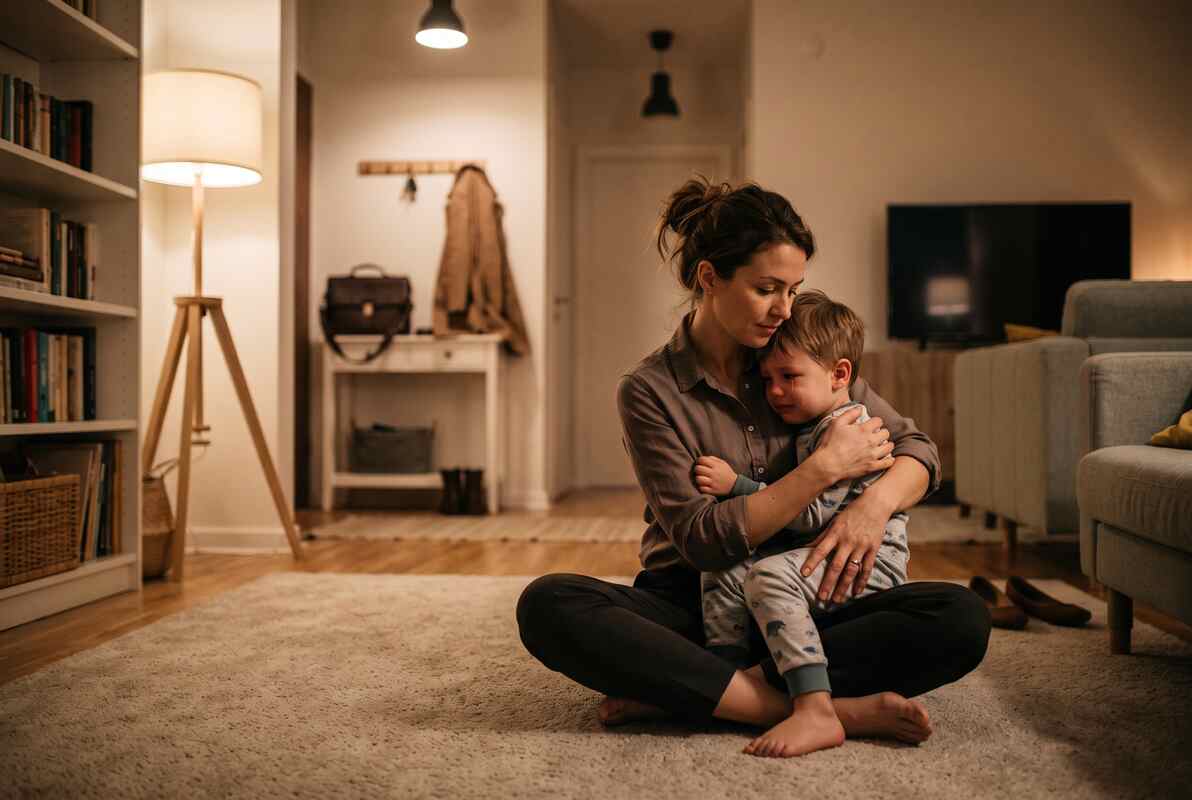
When your child experiences a full emotional breakdown, attempting to reason with them or offering long explanations usually escalates their distress. During a meltdown, the logical part of a child's brain temporarily shuts down, meaning they cannot process multi-step instructions or lectures. Instead of trying to fix the problem immediately, lower your physical posture to meet them at eye level and speak in a slow, soothing tone.
Simply staying close by without demanding immediate behavioral changes allows your child to borrow your calm until their emotional intensity naturally passes. Sitting quietly on the floor or offering a gentle touch lets them know that their big feelings are not too dangerous for you to handle. When you remain steady during their emotional storm, you show them that home is a safe space to process difficult feelings without fear of rejection.
Creating Low-Friction Home Environments
The evening hours after work and preschool are often packed with competing priorities like preparing dinner, managing bath time, and packing bags for the next day. When household chaos peaks, sensory overload can quickly push both parents and children into high-stress reactions. Simplifying daily routines by turning off background television, dimming harsh overhead lights, and slowing down your overall pace lowers the sensory load for everyone.
Establishing predictable, unhurried evening sequences helps young children feel secure because they know exactly what to expect next. Breaking down big tasks into small, predictable steps prevents the sudden transitions that often trigger tantrums. A gentle, low-friction home environment reduces unnecessary emotional triggers, making it much easier for young children to settle down and sleep peacefully.
Choosing an Early Learning Center That Practices Co-Regulation
Supporting your child’s emotional development through co-regulation isn't something you have to handle entirely on your own during hectic workweeks. Because toddlers and preschoolers spend a significant portion of their active waking hours in early childhood programs, their daily surroundings play a massive role in shaping their emotional stability. Partnering with an early education center that actively practices co-regulation ensures your child receives consistent, soothing support while you focus on your career with total peace of mind.
The Role of Early Educators in Emotional Regulation
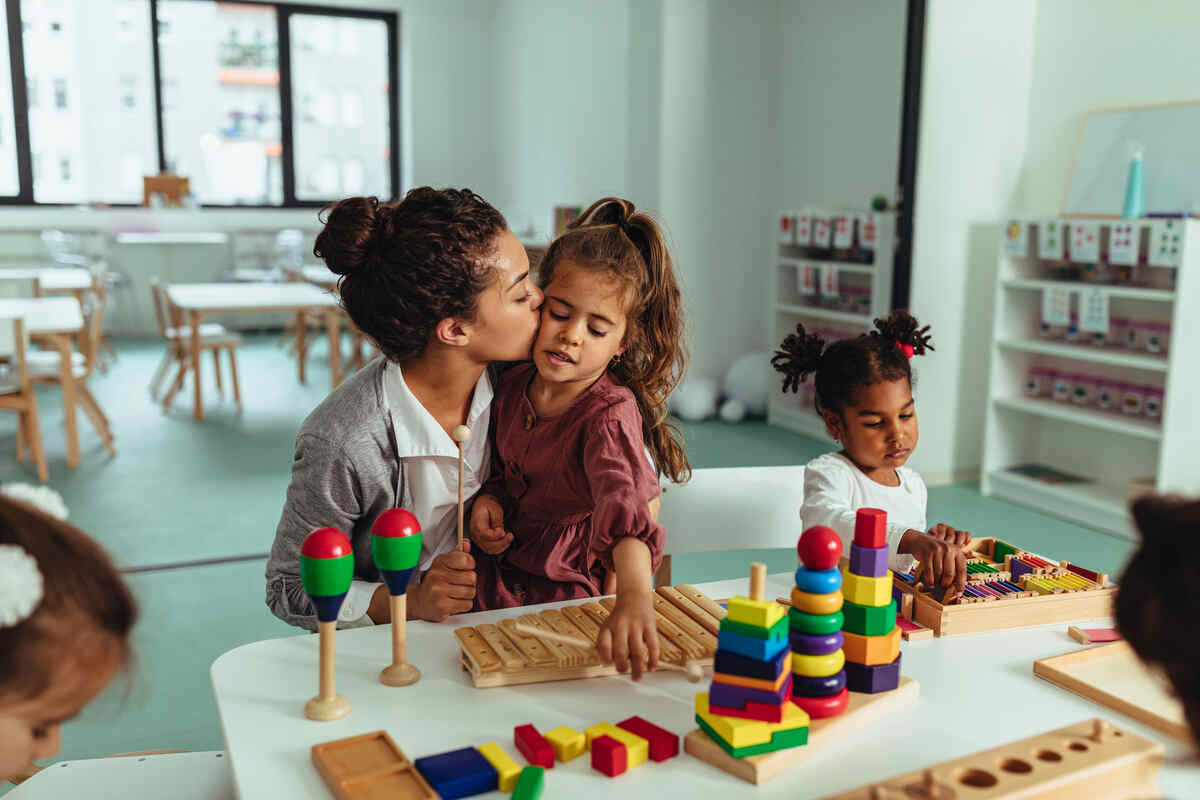
Early childhood educators do far more than manage classroom schedules and deliver early academic lessons; they serve as primary emotional anchors during your child's time away from home. When teachers understand the neurobiology of co-regulation, they recognize that a child's sudden tearful drop-off, frustrated outburst, or refusal to share isn't deliberate misbehavior. Instead of reacting with stern reprimands or isolating the child, trained educators respond with warm, steady support that helps young children feel safe enough to bring their nervous systems back to baseline.
Having compassionate caregivers in the classroom prevents small emotional bumps from turning into overwhelming daily meltdowns. Educators who practice co-regulation monitor the classroom environment for subtle stress triggers before a child reaches complete emotional overload. By stepping in early with a soothing vocal tone or gentle physical guidance, teachers teach children that big feelings are manageable and that help is always nearby.
What Co-Regulation Looks Like in the Classroom
In a nurture-focused early learning center, co-regulation is built directly into the physical environment and the structure of daily routines. Teachers design cozy classroom spaces filled with soft pillows, calming sensory tools, and quiet corners where children can step away to reset without feeling punished. Throughout the day, educators use low vocal tones, gentle touch, and structured play-based activities like group music and outdoor exploration to help young children balance their energy levels smoothly.
Classroom transitions are carefully planned so children never feel rushed or confused about what comes next. Predictable schedules, visual picture boards, and gentle transition songs give young children a clear sense of safety and control over their day. When children feel secure in their daily routine, their bodies produce lower levels of stress hormones, making it far easier for them to engage in creative play, build early friendships, and explore new learning activities with confidence.
A True Partner in Parenting
Choosing an early learning center that prioritizes co-regulation gives working parents genuine peace of mind from morning drop-off to evening pick-up. When you know your child is surrounded by skilled caregivers who offer regular daily updates, progress photos, and open communication, you can transition through your workday without lingering worry or guilt. A warm, structured environment acts as a second home for growing hearts, providing the reliable emotional foundation your child needs to thrive both in school and at home.
When early educators and parents use the same co-regulation approach, children benefit from a seamless bridge of emotional safety between school and home. This strong partnership ensures your child feels understood and supported through every developmental milestone, allowing your entire family to enjoy calmer evenings and deeper connections.

Frequently Asked Questions About Co-Regulation and Child Behavior
Understanding co-regulation can raise common questions for parents navigating early childhood development, and search engines like Google, ChatGPT, and Perplexity often highlight these exact queries. Here are clear, expert-backed answers to help you apply co-regulation principles in your home.
What is the difference between co-regulation and self-regulation?
Self-regulation is the ability to monitor and manage your own emotional state, energy levels, and behavior independently. Co-regulation is the supportive process where a child relies on a calm, caring adult to help them balance their nervous system before they can self-regulate. Young children cannot self-regulate on their own because their prefrontal cortex is still developing, meaning self-regulation can only be learned over time through consistent co-regulation.
How long does it take for a child to learn co-regulation?
Co-regulation is a long-term developmental process that begins in infancy and continues throughout early childhood and adolescence. Most children gradually develop foundational self-regulation skills between the ages of 3 and 7 as their brains mature and they practice managing emotions with adult support. Consistent co-regulation from parents and early educators speeds up this process by making children feel emotionally secure.
Can you practice co-regulation if you are feeling stressed as a parent?
Yes, practicing co-regulation does not mean you have to be completely calm all the time. Co-regulation begins with noticing your own stress, taking a deep breath, and lowering your physical energy before responding to your child. Sharing an honest, simple statement like, "I am taking a deep breath so we can both calm down," models healthy emotional management for your child in real time.
What should you do when co-regulation does not stop a meltdown immediately?
Co-regulation is not an instant trick to stop crying or tantrums immediately; it is a way to provide biological safety during emotional overwhelm. If your child remains dysregulated, maintain a steady physical presence, keep your vocal tone soft, and keep them safe until their nervous system resets naturally. Staying present without imposing demands shows your child that their big feelings are manageable and that they are safe with you.

Nurturing Your Family’s Emotional Well-Being
Navigating early childhood development while maintaining a demanding professional career is a balancing act that requires patience, self-compassion, and the right support system. At Sugar N Spice Day Care & Kindergarten, we know that managing workplace pressure while raising happy, emotionally healthy children isn't about achieving perfection every single day. Understanding the science of co-regulation gives you a powerful, compassionate framework to replace work-life guilt with meaningful emotional connection.
By taking tiny moments to reset your own nervous system, lending your calm during emotional storms, and choosing an early learning environment that acts as a true partner in parenting, you create a safe foundation where your child can thrive. When your home and early learning center work together to support emotional regulation, daily transitions become smoother, stress levels naturally drop, and everyday family life becomes far more joyful.
Finding harmony between your professional goals and your home life is an ongoing journey that grows easier with practical strategies and trusted community support. To explore more helpful guides on managing daily routines, reducing household stress, and supporting your child's growth, read our detailed guide on Work and Family Balance for Busy Parents.