
What to Look for in a Learning-Centered Preschool
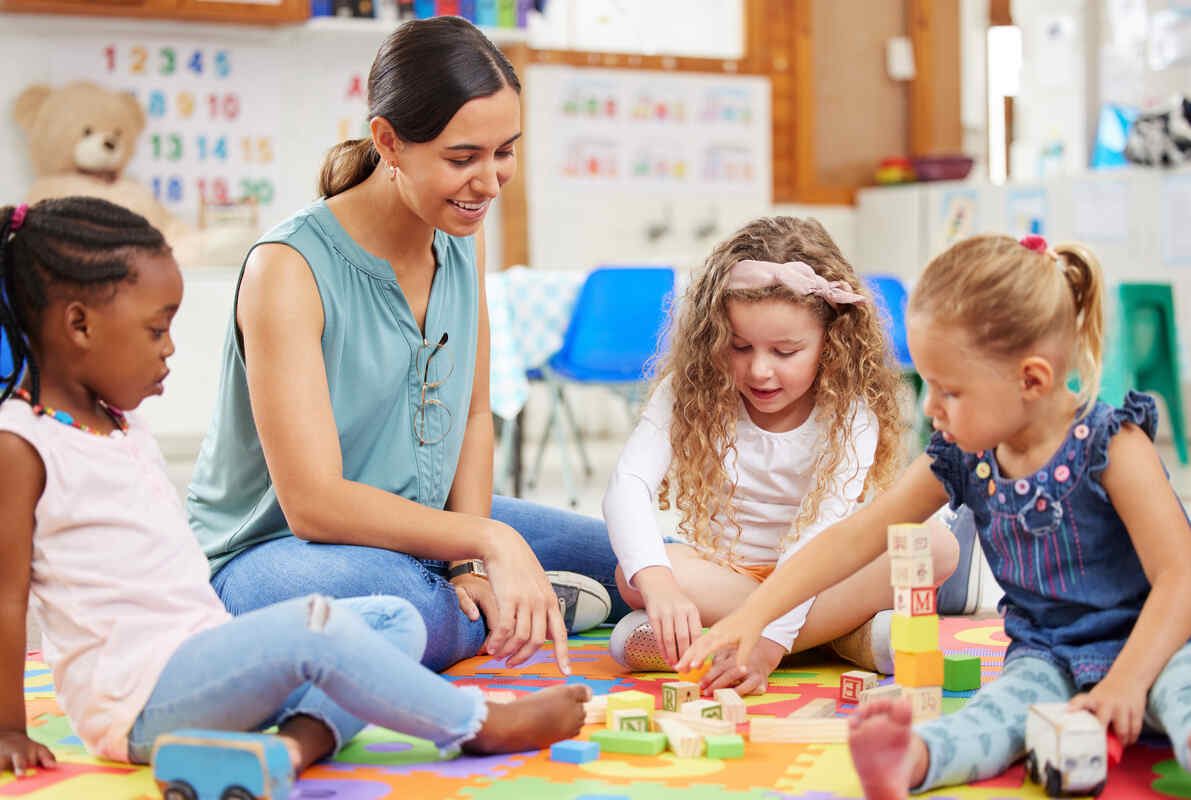
Choosing a preschool is one of the most meaningful decisions you'll make during your child's early years. Knowing what to look for in a preschool can feel overwhelming when every program promises a safe, caring, and enriching experience. The truth is, a learning-centered preschool offers much more than a place for children to spend the day. It provides the foundation for confidence, curiosity, meaningful relationships, and a lifelong love of learning.
For many parents, the search begins with practical questions. Is the location convenient? Are the hours flexible? Does the classroom look clean and welcoming? These details are important, but they only tell part of the story. The qualities that have the greatest influence on your child's development are often less visible during a quick tour. They can be found in the way teachers interact with children, how learning experiences are designed, and how the preschool partners with families to support each child's unique journey.
A high-quality preschool recognizes that early childhood is about much more than preparing for kindergarten. Between the ages of three and five, children develop essential social, emotional, language, and problem-solving skills that shape how they approach learning for years to come. A thoughtfully designed preschool environment encourages children to ask questions, solve problems, build friendships, and gain confidence through meaningful, hands-on experiences instead of simply memorizing facts.
That's why it's helpful to think beyond colorful classrooms and impressive activity schedules. A learning-centered preschool creates opportunities for children to explore, discover, and grow at their own pace while being supported by caring educators who understand child development. The goal isn't to rush children toward academic milestones. It's to help them develop the skills, resilience, and enthusiasm that make future learning both successful and enjoyable.
This guide will walk you through the characteristics that define a quality preschool, explain why each one matters, and share practical questions you can ask as you evaluate different programs. Whether you're choosing your child's very first preschool or considering a new learning environment, you'll leave with a clearer understanding of what truly supports a child's growth and how to recognize a preschool where your child can thrive.
What Is a Learning-Centered Preschool?
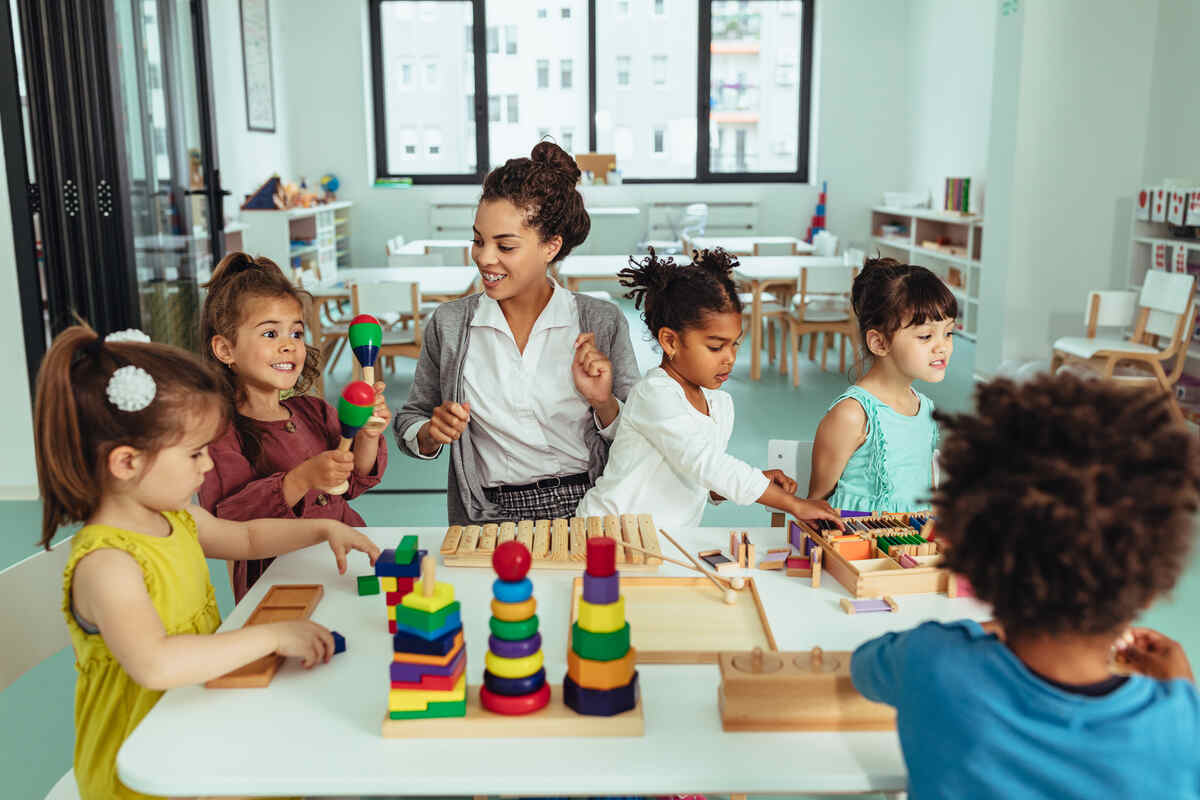
A learning-centered preschool is much more than a place where children spend the day. It's an environment where every activity has a purpose, every interaction supports growth, and every child is encouraged to explore, discover, and build confidence.
Unlike programs that focus mainly on keeping children occupied, a learning-centered preschool helps children develop the skills they'll use for the rest of their lives. That includes communication, problem-solving, creativity, independence, emotional regulation, and a love of learning.
The best learning doesn't happen by asking young children to sit still and memorize information. It happens when they're actively engaged.
Imagine a child building a tower with blocks. They're experimenting with balance, solving problems, and learning persistence when the tower falls. During pretend play, they're practicing language, sharing ideas with friends, and exploring different emotions. Even everyday routines, like snack time or cleaning up, become opportunities to build independence and responsibility.
That's why play is at the heart of a quality preschool program. It isn't "free time." It's how young children naturally make sense of the world around them.
The teacher's role is just as important. Instead of simply giving instructions, skilled educators observe each child's interests, ask thoughtful questions, and create experiences that encourage curiosity. They know when to guide, when to encourage, and when to let children discover answers on their own.
Learning also extends beyond the classroom. A strong preschool builds genuine partnerships with families through regular communication and shared goals. When parents and teachers work together, children benefit from consistent support, greater confidence, and a stronger connection between home and school, reflecting Sugar N Spice's commitment to partnering with families throughout each child's learning journey.
At its heart, a learning-centered preschool helps children become more than kindergarten-ready. It helps them become curious learners, confident problem-solvers, caring friends, and resilient individuals who are excited to discover what comes next.
Why Preschool Matters More Than Many Parents Realize
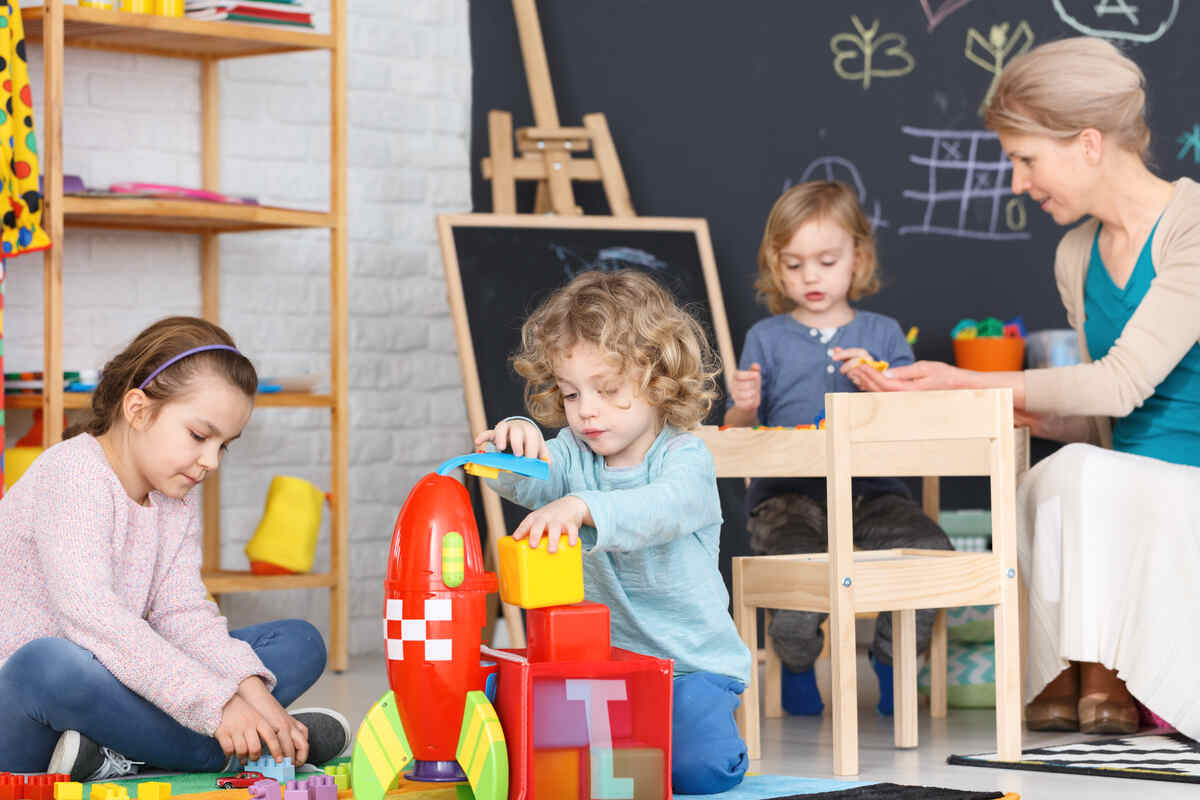
The preschool years are filled with remarkable growth. Between the ages of three and five, a child's brain is developing rapidly, forming connections that support learning, relationships, and emotional well-being for years to come. The experiences children have during this stage don't just prepare them for kindergarten. They help shape how they think, communicate, solve problems, and see themselves as learners.
That's why choosing a preschool is about much more than finding a safe place for your child while you're at work. It's about choosing an environment that helps them build the skills they'll rely on throughout school and beyond.
Learning Begins Long Before Reading and Writing
Many parents naturally focus on academic readiness. They want their child to recognize letters, count numbers, or write their name before starting kindergarten. While these milestones are important, they're only one piece of the puzzle.
Children also need to learn how to listen, follow directions, express their thoughts, solve simple problems, and work with others. These foundational skills often have a greater impact on long-term success than early academic achievements alone.
Social and Emotional Skills Matter Just as Much
Imagine a child who knows the alphabet but struggles to share, manage frustration, or ask for help. Compare that to a child who may not know every letter yet but is confident, curious, and eager to learn with others.
Which child is better prepared for school?
Research consistently shows that social and emotional development plays a critical role in a child's ability to learn. When children feel secure, build positive relationships, and learn to manage their emotions, they're more willing to take on new challenges, ask questions, and persist when something feels difficult.
A quality preschool creates opportunities for children to practice these skills every day through play, collaboration, and caring interactions with both teachers and classmates.
Curiosity Is the Foundation of Lifelong Learning
Young children are naturally curious. They ask endless questions, experiment with new ideas, and learn by exploring the world around them.
A learning-centered preschool protects and nurtures that curiosity instead of replacing it with pressure to memorize facts or complete worksheets. Through hands-on activities, storytelling, music, art, outdoor exploration, and imaginative play, children develop critical thinking skills while discovering that learning is exciting and rewarding.
When children enjoy learning, they're more likely to stay engaged as they grow. That enthusiasm becomes one of the greatest gifts a preschool can give.
Confidence Grows Through Meaningful Experiences
Every small achievement helps a child build confidence. Putting on a jacket without help. Solving a puzzle after several attempts. Making a new friend. Sharing an idea during circle time.
These everyday moments may seem small, but together they teach children an important lesson: "I can do hard things."
That confidence encourages children to try new experiences, overcome setbacks, and approach future challenges with resilience instead of fear.
The Right Preschool Helps Children Thrive
A great preschool doesn't rush childhood. It embraces it.
By combining nurturing relationships, purposeful play, and thoughtful guidance, a learning-centered preschool helps children develop academically, socially, emotionally, and creatively. Those early experiences create a strong foundation that supports success not only in kindergarten but throughout their entire educational journey.
10 Things to Look for in a Learning-Centered Preschool
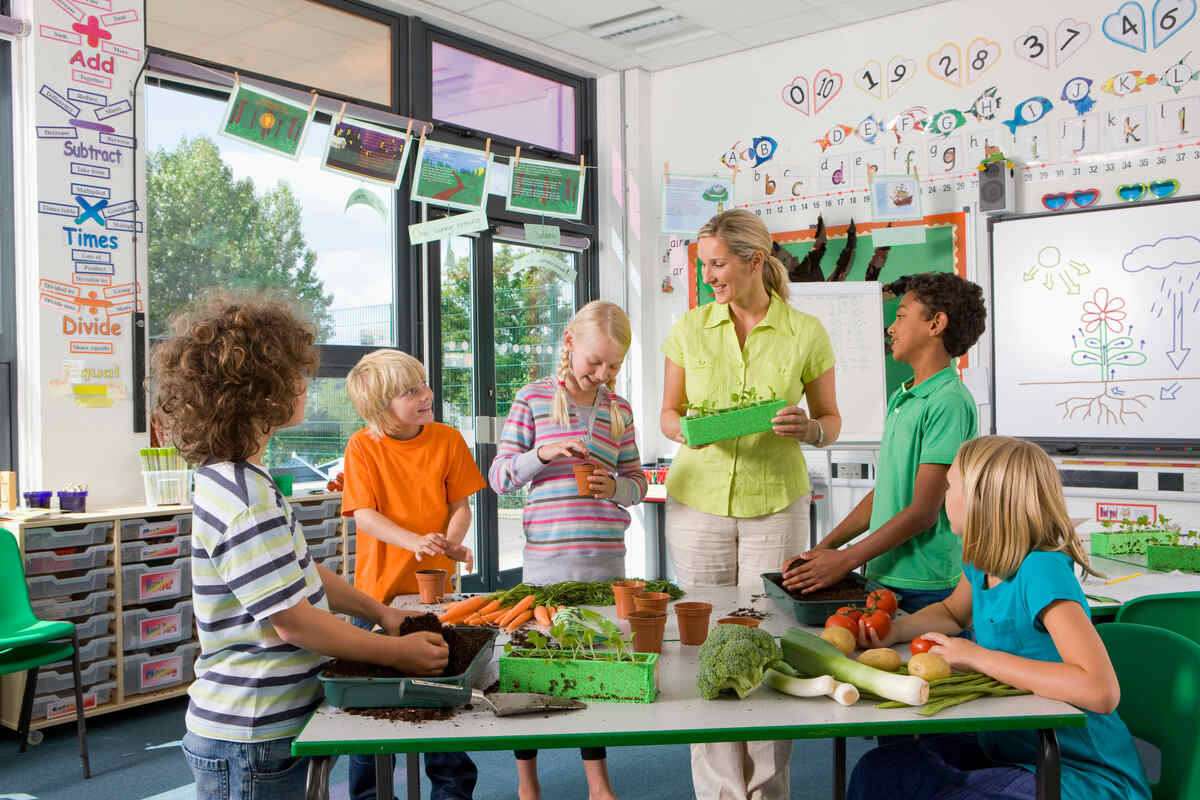
Every preschool has its own philosophy, curriculum, and classroom environment. While no two programs are exactly alike, the best learning-centered preschools share a set of qualities that help children feel safe, supported, and excited to learn.
As you explore different programs, look beyond colorful classrooms and daily schedules. Pay attention to how children interact with teachers, how learning takes place, and whether the environment encourages curiosity, confidence, and meaningful growth.
Here are ten qualities that truly matter when choosing a preschool.
1. Teachers Who Build Relationships Before Lessons
A child's first teacher outside the home should be someone they trust. Before children are ready to learn, they need to feel safe, valued, and understood. Caring educators take time to get to know each child's personality, interests, and individual needs. They celebrate successes, offer encouragement during challenges, and create an environment where children feel comfortable asking questions and trying new things.
When children feel emotionally secure, they're more confident exploring, participating, and learning every day.
2. A Safe and Welcoming Environment
Safety goes beyond secure doors and clean classrooms. A quality preschool creates an environment where children feel physically and emotionally safe. Classrooms are organized, routines are consistent, and expectations are clear. Children know what to expect, which helps them feel comfortable, confident, and ready to learn.
Parents should also feel welcome. Open communication and a friendly atmosphere often reflect a preschool that values strong relationships with families.
3. Learning Through Play, Not Just Worksheets
Children learn best when they're actively engaged. Building with blocks strengthens problem-solving skills. Painting encourages creativity and fine motor development. Pretend play builds language, empathy, and social confidence. Outdoor exploration inspires curiosity and scientific thinking.
Play isn't a break from learning. For young children, it's one of the most effective ways to learn.
4. A Curriculum That Inspires Curiosity
The best preschool curriculum encourages children to ask, "Why?" and "What happens if...?"
Instead of rushing through academic lessons, learning-centered programs introduce literacy, math, science, art, and music through hands-on experiences that spark curiosity. Children explore new ideas, experiment, and make discoveries in ways that feel exciting and meaningful.
This approach helps children develop a genuine love of learning rather than simply memorizing information.
5. A Strong Focus on Social and Emotional Development
Learning to work with others is just as important as learning numbers and letters.
Throughout the day, children practice sharing, listening, expressing emotions, solving conflicts, and building friendships. These experiences teach empathy, cooperation, and resilience, all of which contribute to future success in school and in life.
When children feel emotionally supported, they're more willing to participate, take healthy risks, and embrace new challenges.
6. Open and Honest Communication With Parents
The best preschools see parents as partners. Regular updates, conversations about progress, and opportunities to ask questions help families stay connected to their child's learning. Strong communication builds trust and creates consistency between home and school, allowing children to feel supported in both environments.
This partnership is one of the most valuable qualities parents can look for in a preschool and reflects Sugar N Spice's commitment to working alongside families throughout every stage of a child's development.
7. Opportunities to Build Independence
Preschool is filled with small moments that help children become more confident. Whether they're putting away toys, washing their hands, choosing an activity, or solving a simple problem, children develop independence by doing things for themselves with gentle guidance from their teachers.
These everyday experiences help children build responsibility, confidence, and a sense of accomplishment that carries into kindergarten and beyond.
8. Curiosity and Creativity Are Encouraged
Children are naturally curious. A learning-centered preschool nurtures that curiosity by giving children opportunities to ask questions, explore new ideas, and express themselves through art, music, storytelling, science, and imaginative play.
Rather than focusing on finding the "right" answer, great educators encourage children to think creatively, experiment, and enjoy the process of learning.
9. Every Child Is Seen as an Individual
No two children learn the same way. Some children are eager to jump into new activities, while others prefer to observe before participating. A quality preschool respects these differences and adapts its approach to support each child's unique strengths, interests, and developmental pace.
When children feel accepted for who they are, they're more likely to develop confidence and enjoy learning.
10. Children Are Happy to Come Back Each Day
Sometimes the clearest sign of a great preschool is the simplest one. Children arrive with excitement, engage throughout the day, and leave with stories to tell. They feel comfortable with their teachers, enjoy spending time with friends, and look forward to returning the next morning.
A preschool that creates this sense of belonging does more than prepare children for kindergarten. It helps them develop positive feelings about learning that can last a lifetime.
Preschool vs. Daycare: What's the Difference?
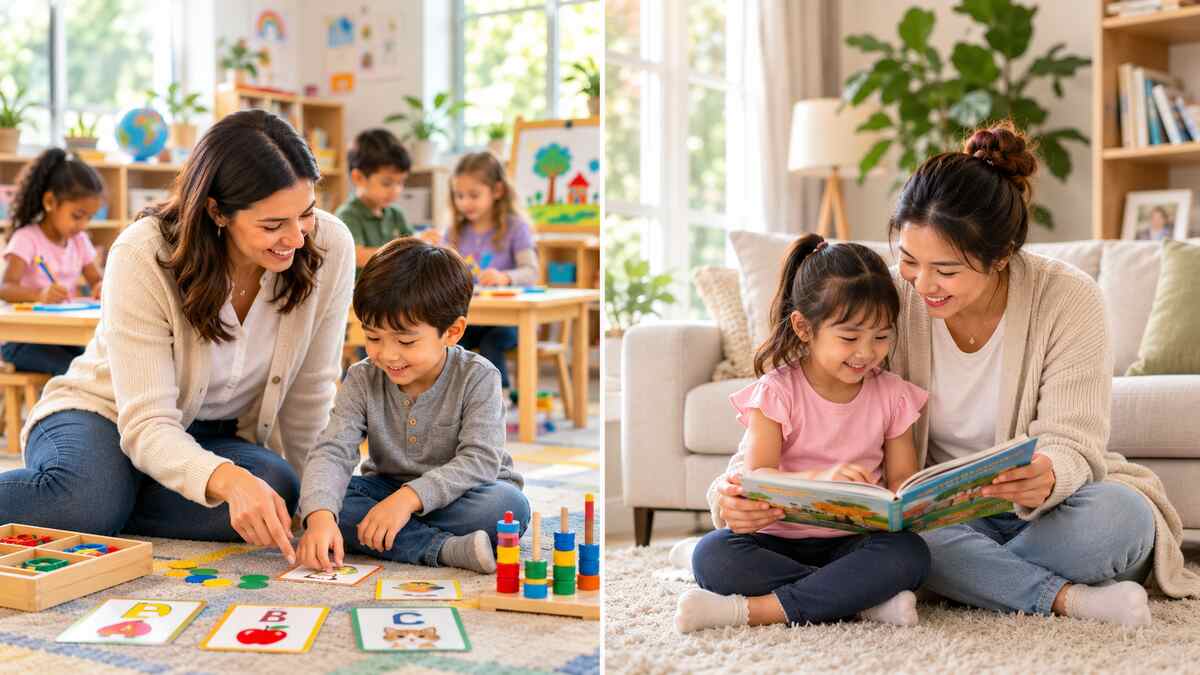
Many parents use the terms "preschool" and "daycare" interchangeably, but they aren't always the same. While both provide a safe environment for children, their primary focus can be quite different.
A daycare is designed primarily to provide dependable care while parents are at work. A preschool, on the other hand, places a stronger emphasis on early learning and child development. A learning-centered preschool combines nurturing care with purposeful educational experiences that help children build the skills they'll use throughout life.
That said, the distinction isn't always clear-cut. Today, many high-quality childcare centers also offer exceptional preschool programs. Rather than asking whether a program is called a "daycare" or a "preschool," it's more helpful to ask how children spend their day and what they're learning from those experiences.
It's About the Experience, Not the Label
A quality early learning program goes beyond keeping children busy. Throughout the day, children are encouraged to explore, ask questions, solve problems, build friendships, and develop confidence. Every activity has a purpose, whether it's painting a picture, listening to a story, building with blocks, or playing outside.
The goal isn't simply to fill the day with activities. It's to create meaningful experiences that support every area of a child's development.
What Should Parents Look For?
Instead of focusing on the name of the program, look for signs that learning is happening naturally throughout the day. Ask yourself:
Are teachers actively engaging with children instead of simply supervising them?
Do children have opportunities to explore, create, and solve problems?
Is play used as a meaningful learning experience?
Do teachers encourage independence and curiosity?
Does the program support children's social and emotional growth alongside early academics?
The answers to these questions will tell you far more about the quality of a program than its title ever could.
The Best Programs Blend Care and Learning
For most families, the ideal program doesn't force parents to choose between nurturing care and quality education. It offers both.
Children thrive when they feel safe, loved, and supported while also being challenged to explore new ideas and develop new skills. This balanced approach creates an environment where learning feels natural, relationships flourish, and children build the confidence they need for kindergarten and beyond.
At Sugar N Spice, this philosophy is reflected in a play-based approach that combines compassionate care with intentional learning experiences. By partnering closely with families and focusing on each child's social, emotional, cognitive, and creative development, the goal is to help every child feel confident, capable, and excited to learn each day.

Questions to Ask During a Preschool Tour
A preschool tour is more than an opportunity to see the classrooms. It's your chance to understand how the program supports children's learning, development, and well-being. Asking thoughtful questions can help you determine whether the preschool is the right fit for your family.
1. How do you help children adjust to preschool?
Starting preschool is a big milestone. Learn how teachers support new children during the transition and help them feel safe, comfortable, and confident.
2. What does a typical day look like?
A daily schedule reveals how the preschool balances structured learning, free play, outdoor time, meals, and rest. Look for a routine that encourages both learning and exploration.
3. How do you communicate with parents?
Strong communication builds trust. Ask how you'll receive updates about your child's activities, progress, and important milestones throughout the day.
4. How do children learn through play?
Play should have a purpose. Ask for examples of how everyday activities help children build language, problem-solving, creativity, and social skills.
5. How do teachers handle conflicts or challenging behaviors?
Children are still learning how to manage emotions and interact with others. Look for responses that focus on guidance, empathy, and teaching positive behaviors rather than punishment.
6. How do you support each child's unique learning style?
Every child develops differently. A quality preschool should adapt its teaching approach to meet each child's individual strengths, interests, and developmental needs.
7. How do you prepare children for kindergarten?
Kindergarten readiness is about more than academics. Ask how the program helps children build confidence, independence, communication, and social-emotional skills alongside early literacy and numeracy.
8. What qualifications and experience do your teachers have?
Passionate, knowledgeable educators make a lasting difference. Learning about teacher training, experience, and ongoing professional development can provide added confidence in the quality of the program.
As you listen to the answers, also observe what you see around you. Are children engaged and happy? Do teachers interact with warmth and patience? Does the classroom feel calm, welcoming, and full of opportunities to explore? Often, these everyday interactions reveal just as much as the answers themselves.
Signs You've Found the Right Preschool
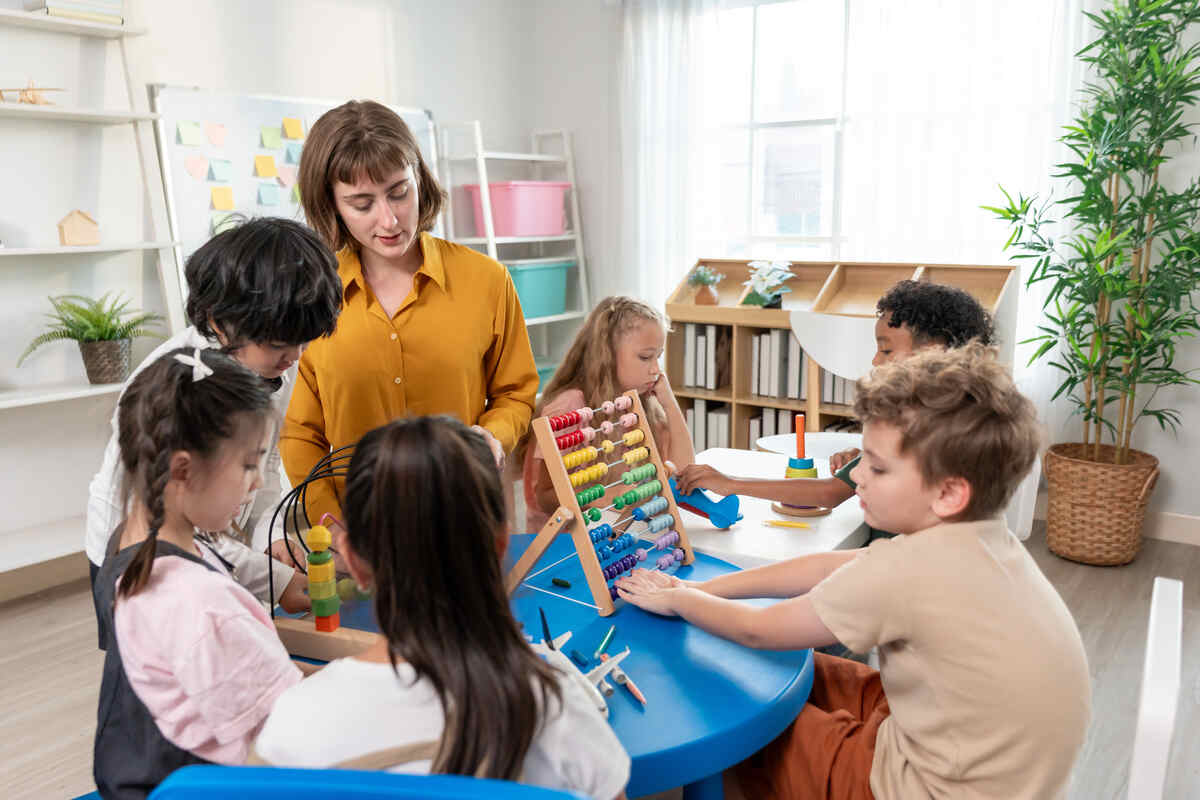
After touring a few preschools, it's easy to compare classrooms, schedules, and amenities. But the strongest signs of a quality preschool are often found in the everyday interactions happening around you. Here are a few indicators that you've found the right fit:
Children are happy, engaged, and excited to participate.
Teachers know each child by name and interact with warmth, patience, and encouragement.
Learning happens through hands-on activities, play, and exploration rather than passive instruction.
Classrooms feel calm, organized, and welcoming, even when they're busy.
Children are encouraged to ask questions, make choices, and solve problems independently.
Parents are welcomed as partners through open, ongoing communication.
The environment feels nurturing, respectful, and inclusive for every child.
Perhaps the most important sign is how your child responds. Do they seem comfortable? Are they curious about the classroom? Do they leave with a smile, eager to share what they did or excited to come back?
When a preschool helps children feel safe, confident, and inspired to learn, you've likely found a place where they can truly thrive.
Your Child's Learning Journey Starts Here
Choosing the right preschool isn't about finding the most impressive classroom or the longest list of activities. It's about finding a place where your child feels safe, valued, and inspired to learn every day.
A learning-centered preschool helps children develop far more than early academic skills. It nurtures confidence, encourages curiosity, strengthens friendships, and builds the foundation for a lifelong love of learning. Those are the experiences that prepare children not only for kindergarten, but for the opportunities and challenges they'll encounter throughout life.
As you visit different preschools, trust both what you see and what you feel. Observe how teachers interact with children, how learning happens throughout the day, and whether the environment feels warm, engaging, and welcoming. The right preschool should give you confidence that your child will be cared for, challenged, and encouraged to grow.
If you'd like to learn more about how everyday experiences help children build essential life skills, explore our article on preschool learning activities and discover how purposeful play supports every stage of early childhood development.
When children are given the opportunity to explore, create, and learn in a nurturing environment, they're not just preparing for school. They're building the confidence, resilience, and curiosity that will help them thrive for years to come.