

The 7 Parenting Mistakes We All Make (Without Realizing It)
You are standing by the front door, balancing work bags, watching the kitchen clock tick toward drop-off time while gently coaxing a toddler to put on shoes for the fourth time. Most working parents fall into common parenting mistakes without realizing it, not out of a lack of devotion, but because packed professional schedules turn daily routines into survival mode.
When mornings feel rushed and evenings are stretched between dinner and work messages, reactive habits naturally take over. Recognizing these patterns isn’t about self-blame—it’s about spotting where unnecessary friction creeps into your family rhythm so you can build calmer, more connected days.

Mistake 1: Rushing Transitions to Beat the Clock
When you have twenty minutes before an executive stand-up or morning commute, every second feels urgent. You naturally quicken your pace, urging your child to hurry, shove their feet into shoes, and get into the car seat right away. We do this with the best intentions—we're just trying to keep the family on track and get everyone where they need to be.
Young children don’t experience time through calendar alerts or ticking clocks; they experience rushed moments as a sudden loss of control. When we hurry little ones through transitions, their bodies react to our fast energy as a signal to pause and push back. It’s completely natural for a child to resist when they feel rushed, which is how a thirty-second task turns into an unexpected standoff right by the front door.
Creating smooth, happy transitions starts with replacing rush with a little predictability and fun. Giving your child a playful, five-minute visual routine—like choosing whether to put on their backpack or their shoes first—turns a scramble into a game of discovery. When kids know what’s coming and have a little ownership over the steps, cooperation feels natural, and leaving the house becomes a cheerful team win for both of you.
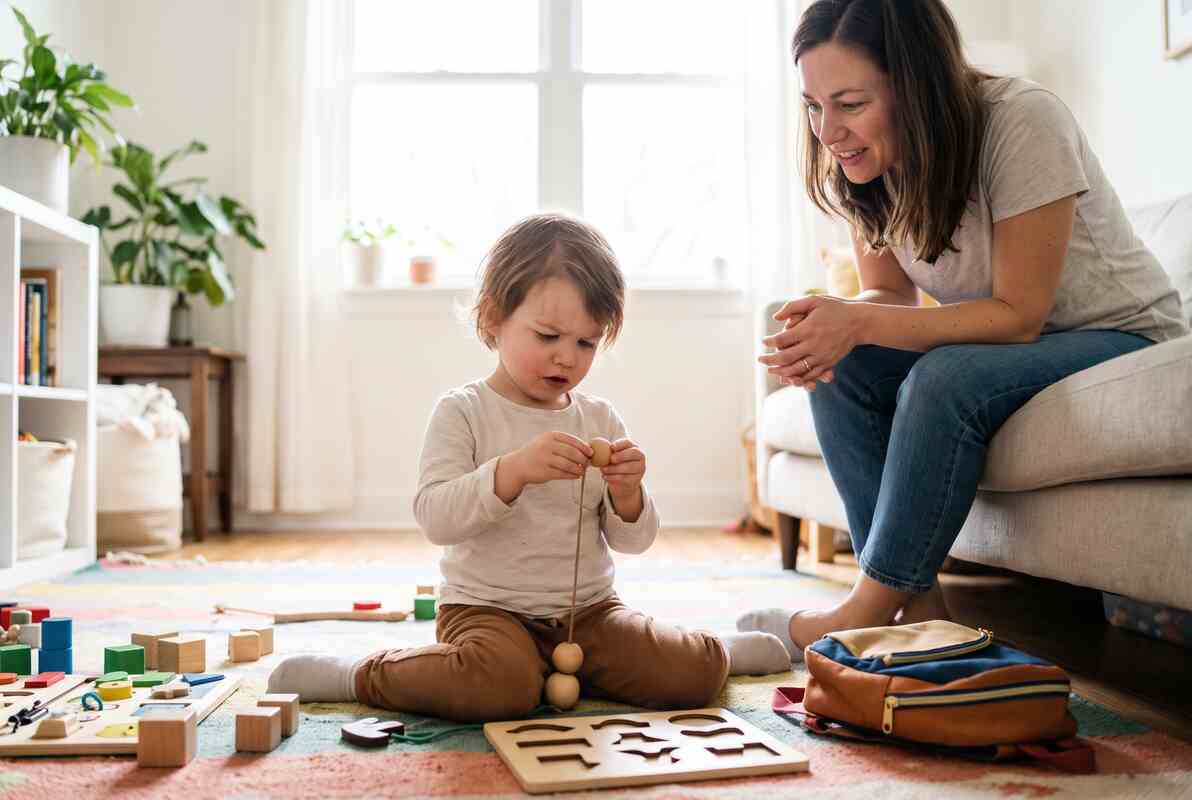
Mistake 2: Stepping in Instantly to Fix Small Frustrations
It is completely natural to want to make life easier for your little one, especially when you are watching them struggle with a tricky zipper, an upside-down shoe, or a puzzle piece that won’t fit. Because your mornings are full and you want to protect them from feeling upset, your immediate instinct is to reach out and solve the puzzle for them. You hand them the finished toy or zip the jacket in two seconds, feeling happy that the bump in the road is gone.
When we jump in too quickly, we unintentionally miss out on an exciting learning moment. Early childhood development research shows that children build genuine confidence and emotional resilience through small, safe challenges—what educators call the productive struggle. If a caring grown-up always steps in before a child has time to test out a solution, the child learns to look outward for rescue rather than trusting their own ability to figure things out.
You can nurture their independence simply by practicing a gentle "pause and observe" habit. When your child sighs or grunts at a difficult task, take a breath, stay close with a warm smile, and say something encouraging like, "You're working so hard to connect those blocks; let's see what happens if you turn it." Giving your little one those extra thirty seconds transforms a moment of everyday frustration into a delightful discovery, letting them feel the pure joy of saying, "I did it myself!"
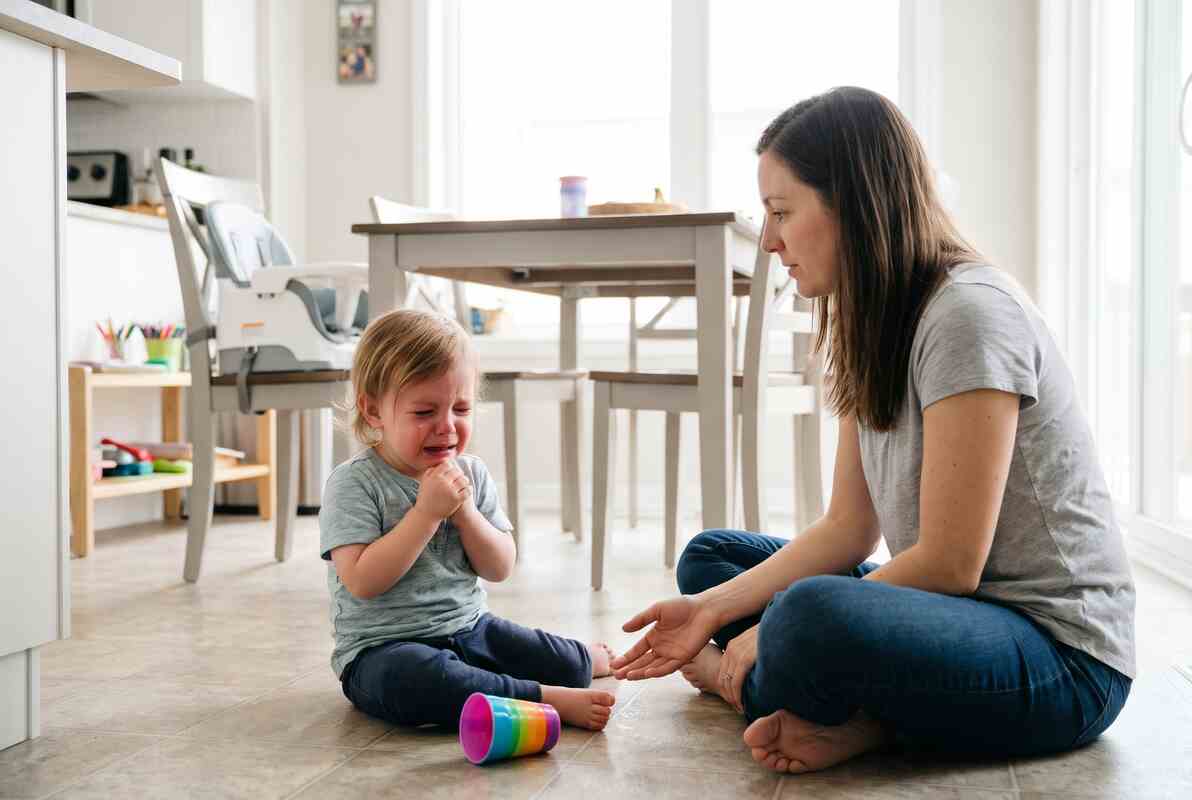
Mistake 3: Trying to Reason with an Emotional Meltdown
When your child throws themselves onto the floor over the blue cup instead of the red one, your adult brain immediately wants to fix it with logic. You crouch down and start explaining that both cups hold the exact same juice, or that the red one is currently in the dishwasher. You hope that a clear, sensible explanation will help them see reason and calm down, but the tears only seem to get louder.
Young children can't process logic when their nervous systems are flooded with big feelings. In early childhood, the emotional center of the brain takes over during a tantrum, temporarily closing the door on the rational, thinking side. Giving long explanations in that moment simply adds more noise to their sensory overload, which makes your little one feel even more overwhelmed and disconnected.
The most reassuring thing you can offer during a storm isn't an explanation; it’s your calm presence. Take a slow breath, sit nearby at their eye level, and offer simple words like, "I'm right here with you, and it's okay to feel sad." Once their breathing steadies and their tears slow, their thinking brain turns back on, making it the perfect time for a warm hug and a gentle chat about what happened.

Mistake 4: Over-Explaining Adult Rules with Too Many Words
When your child leaves their shoes in the middle of the hallway, it is easy to launch into a full explanation of why tidy spaces matter. You might find yourself saying, "Remember we talked about putting things away so nobody trips, and if we don't take care of our belongings, we won't be able to find them when it's time to go to the park." You want to teach them the reasoning behind the rule, but halfway through your mini-lecture, their eyes glaze over, and they have already wandered toward a toy.
Young children have a short working memory, especially after a full day of growing and exploring. When we deliver multi-step explanations to explain a simple boundary, little minds quickly experience cognitive overload. They cannot pick out the main action from a stream of adult reasoning, which leaves them feeling confused and leaves you feeling like they simply aren't listening.
Guiding cooperation works best when you keep your words short, playful, and action-focused. Instead of explaining the big picture, try using two or three clear words with a warm, cheerful tone, like, "Shoes in the basket!" When directions are easy to catch and remember, your child feels capable, and you get to celebrate another sweet milestone in their growing independence.

Mistake 5: Allowing Changing Work Schedules to Dictate Home Boundaries
When an urgent project runs late, or your commute takes an extra half hour, you arrive home running on empty. On those exhausting evenings, sticking to usual expectations feels like an uphill battle. It is tempting to push bedtime back an hour or let dinner rules slide just to get through the night without tears, but shifting routines can leave your child feeling unsure of what comes next.
Young children feel safest when their world is predictable. When expectations change depending on how tired the grown-ups feel, little ones naturally test boundaries to see where the real edges are. This constant testing can turn dinnertime, cleanup, and bedtime into nightly negotiations that wear everyone out.
Setting up simple, steady evening anchors gives your whole home an easy sense of comfort. Even when your arrival time changes, keeping the same three-step bedtime pattern—like a warm bath, two favorite storybooks, and a cozy lullaby—creates a peaceful rhythm your child can count on. These familiar rituals take the guesswork out of the evening and wrap up busy days with connection, warmth, and rest.

Mistake 6: Bringing Workday Tension Across the Front Door
You walk through the front door after an intense day of meetings, tight deadlines, and heavy traffic, and your mind is still racing with unfinished to-do lists. Your little one runs up to greet you, full of energy and eager to show you a drawing, but you are still mentally scanning your inbox. Without meaning to, your replies feel brief and distracted, or you find yourself snapping over shoes left on the rug before you have even taken off your coat.
Children have an incredible ability to read our physical energy, and they naturally mirror what they feel in the room. When you bring the rush and pressure of the office into the living room, your little one senses the disconnect and feels unsettled. Instead of giving you space to unwind, they often react to that tension by getting extra clingy, having sudden meltdowns, or testing rules to get your full attention back.
Creating a peaceful evening begins with a deliberate, two-minute buffer before you step inside the house. Take sixty seconds in your car to close your eyes, take three slow breaths, and consciously decide to leave your work tasks at the door until bedtime. Walking through that doorway with an open heart and a warm hug gives your child the reassurance they need, turning reunion time into the most comforting part of everyone's day.

Mistake 7: Letting Working-Parent Guilt Lead to Permissive Boundaries
After a demanding day away at the office, the last thing you want is a bedtime battle or tearful evening meltdown. It's completely understandable to want your limited evening hours to feel joyful and smooth, which makes it tempting to give in to that third bedtime snack or skip teeth brushing just to keep the peace. You might tell yourself that bending the rules makes up for hours spent apart during the day, hoping it shows your child how deeply you love them.
While giving in feels loving in the moment, early childhood educators highlight how setting healthy boundaries helps children feel safe and loved throughout their daily routines. When rules shift out of parental guilt, little ones don't feel rewarded; they often feel untethered because they can't predict what holds steady. Clear, loving limits act like safe guardrails that show children their environment is predictable, safe, and guided by someone who knows what is best for them.
You can offer your child boundless warmth and affection without letting go of the healthy limits they need to thrive. When a boundary needs to hold, pair a steady decision with your full, undistracted presence—cuddle up on the rug for five minutes of pure play instead of offering another treat. Holding kind, consistent boundaries lets your little one know they are safe and cherished, giving everyone the calm comfort they need at the end of the day.

How Partnering with the Right Early Learning Environment Restores Daily Balance
Creating calm at home is much easier when your child's daytime environment reinforces the exact same values you cherish. When children spend their day in an environment with unpredictable routines or little communication, they often come home overtired, overstimulated, and needing to unpack that extra energy all evening. Finding an early learning partner that shares your commitment to gentle boundaries, joyful play, and steady rhythms creates a smooth bridge between daytime learning and evening family time.
At Sugar N Spice, we design our days to be a true second home where your little one feels safe, cherished, and excited to explore. Our experienced educators use research-backed, play-based learning to guide children through gentle transitions, milestone discoveries, and healthy peer friendships. Because we keep you connected throughout the day with real-time updates and photos, you never have to wonder how your little one is doing while you focus on your career.
When daytime care feels secure and predictable, your child returns home feeling grounded, fulfilled, and ready to connect. You get to step through the front door without lingering worries, knowing your child spent their day in a warm, nurturing environment that celebrates every giggle and milestone. With the right early learning team in your corner, peaceful evenings and joyful family routines become your everyday normal.

Practical Next Steps for Creating Calm at Home
Shifting away from reactive habits doesn't mean becoming an overnight parenting expert; it simply means choosing one small moment each day to swap rushing for connection. When you slow down transitions, hold gentle limits, and make space for your little one's feelings, you help your child feel secure, understood, and confident. Sustainable peace at home grows one sweet, intentional habit at a time.
Building this everyday balance is a team effort between your family and the partners you trust with your child’s care. At Sugar N Spice Day Care & Kindergarten, we partner with busy parents to nurture those same steady rhythms, positive social habits, and warm routines during the day. When daytime care feels predictable and loving, bringing that same calm energy into your evening family time becomes so much easier.
Balancing demanding careers with mindful parenting takes patience, grace, and practical tools that fit real life. Take a moment to read our companion resource, Balancing Work, Kids, and Life: A Parent's Survival Guide, to discover simple, actionable systems designed to help busy families thrive together every day.