

Family Owned and Operated
for 40+years
At Sugar N Spice Daycare and Kindergarten, we recognize that every child is different. Because of this, we go above and beyond to ensure your child receives one-on-one assistance in all early learning activities. We also have an open-door policy for all early learning programs, which means that our phenomenal teachers will keep you updated on your child’s achievements and milestones every step of the way.
CLASSES
Our classes are carefully crafted to meet the development needs of the each and every child. Our educators and support staff are dedicated and thoroughly trained.
Infant Care
Learn more about our infant day care. Under our care, your child will not only develop crucial life skills but also receive the dietary and lifestyle changes needed to stay happy and healthy.
Early Learning
Discover why early learning programs are so important for your child. Whether your child is 6-weeks-old or just entering kindergarten, there’s a place for them at our child care center.
Preschool
Prepare your child for school by enrolling them in a preschool education program. We follow Alabama’s state guidelines to ensure your child for kindergarten readiness
MEET THE TEACHERS
“Our children are our living letters to the world.”- Margaret Mead
Stay in the know with
Our Blogs and Resources

Why Is My Child Acting Out After Daycare? What’s Normal and What’s Not
It can feel confusing—and honestly a little overwhelming—when your child comes home from daycare and suddenly melts down. Maybe they were smiling at pickup, but within minutes, you’re dealing with toddler tantrums after daycare, clinginess, or unexpected frustration. If you’ve ever wondered whether this shift in child behavior after daycare is normal or something to be concerned about, you’re not alone.
For many parents, this moment triggers a mix of emotions: concern, guilt, even self-doubt. You might start asking yourself questions like “Did something happen today?” or “Is my child getting the right care and attention?” These thoughts are especially common for families balancing busy schedules and wanting the very best environment for their child’s growth.
The truth is, behavior after daycare can mean different things depending on the child, the environment, and what they experienced throughout the day. Some reactions are completely normal and even healthy. Others may quietly signal that something isn’t quite right—whether it’s a mismatch in environment, lack of child development stimulation, or early daycare red flags for parents that are easy to miss at first.
This article is here to help you gently sort through the differences.
We’ll walk through:
What’s typically normal behavior after daycare
What patterns might deserve a closer look
And how to understand what your child may be trying to communicate
Because at the end of the day, your child’s behavior isn’t random—it’s a form of communication. And when you understand what to look for, you can respond with clarity, confidence, and calm.

Is It Normal for Children to Act Out After Daycare?
For many families, changes in child behavior after daycare can feel sudden and confusing—but in many cases, they’re actually a very normal part of early childhood. Young children experience full, stimulating days filled with structure, social interaction, and new experiences, and by the time they return home, those emotions often need an outlet.
Understanding why this happens can make these moments feel less overwhelming and more manageable.
The “Emotional Release” Effect (Why Home Feels Like the Safe Place)
Throughout the day, children are constantly adapting. They’re learning to share, follow routines, and navigate group dynamics—all of which require effort, especially at a young age. By the time they reunite with you, their safe space, those built-up emotions often come pouring out.
This is why toddler tantrums after daycare frequently happen at home rather than at the center. It’s not that your child is behaving worse—it’s that they finally feel safe enough to release everything they’ve been holding in.
Moments like these are part of the ups and downs of toddlerhood, where children are still learning how to process and express big feelings.
Transition Fatigue and Overwhelm
Even in supportive environments, a full day can be tiring. The combination of noise, activity, and constant interaction can leave some children feeling overstimulated.
You might notice irritability, difficulty transitioning into evening routines, or strong reactions to small frustrations. While this doesn’t necessarily signal a problem, it does highlight how important balanced child development stimulation is. Children need both engagement and calm support to stay regulated.
The Need for Reconnection
After spending hours apart, children often seek emotional reconnection with their parents. This need doesn’t always show up as affection—it can look like clinginess, whining, or acting out.
In many cases, this behavior is less about defiance and more about understanding big emotions in little ones. Your child is processing their day in the only way they know how—with the person they trust most.

When Acting Out After Daycare Might Be a Signal (Not Just a Phase)
It’s reassuring to know that many changes in child behavior after daycare are completely normal. But as a parent, you also have an instinct that tells you when something feels a little “off.” That instinct matters.
The key isn’t to overreact to every rough evening—but to gently notice patterns over time.
Patterns vs. Occasional Behavior
Every child has hard days. A skipped nap, a disagreement with a friend, or simply feeling tired can lead to toddler tantrums after daycare now and then. These moments, on their own, usually aren’t cause for concern.
What matters more is consistency.
You may want to pay closer attention if you notice:
Behavior that happens every day or most days, not just occasionally
Reactions that feel more intense than your child’s usual personality
Emotional responses that don’t improve after a few weeks of adjustment
When behavior becomes a pattern, it’s often your child’s way of signaling that something in their daily experience isn’t fully supporting them.
Looking Beneath the Behavior
Children don’t always have the words to explain what they’re feeling—especially at younger ages. Instead, those feelings show up through behavior.
Consistent acting out may reflect:
Emotional overwhelm that isn’t being fully supported during the day
A mismatch between your child’s needs and the environment
Gaps in child development stimulation, where they’re either overstimulated or not engaged enough
This doesn’t mean something is “wrong”—but it does mean something is worth understanding.
Why Early Awareness Matters
One of the most common challenges for parents is being told, “It’s just a phase.” And sometimes, that’s true. But other times, that reassurance can delay noticing early daycare red flags for parents.
The goal isn’t to jump to conclusions—it’s to stay aware.
When you begin to see behavior as communication rather than misbehavior, it becomes easier to ask:
What might my child be experiencing during the day?
Are their emotional and developmental needs being fully supported?
From there, you can respond thoughtfully instead of reactively.
In the next section, we’ll walk through specific behavioral signs that may deserve closer attention—so you can feel more confident recognizing what’s typical and what might need a deeper look.

Behavioral Red Flags After Daycare Parents Shouldn’t Ignore
It’s important to say this first: seeing one of these behaviors doesn’t automatically mean something is wrong. Children are complex, and their reactions can vary from day to day.
But when certain patterns show up consistently, they can act as gentle signals—clues that your child may not be getting the emotional support or child development stimulation they need throughout the day.
Think of these not as alarm bells, but as invitations to look a little closer.
Sudden Aggression or Regression
If your child begins showing behaviors that feel out of character—like hitting, biting, or withdrawing—it’s worth paying attention. The same goes for regression, such as:
Trouble with skills they had already developed (like communication or independence)
Increased frustration over simple tasks
Sometimes, this can reflect emotional overwhelm or difficulty navigating their environment during the day.
Persistent Anxiety or Reluctance to Go
It’s normal for children to need time to adjust to a new routine. But if your child:
Cries every morning for an extended period
Clings tightly at drop-off without gradual improvement
Expresses fear or distress when daycare is mentioned
…it may point to more than just a transition phase.
For many parents, this is one of the earliest daycare red flags for parents—especially when it doesn’t ease with time and reassurance.
Extreme Fatigue or Emotional Shutdown
All children get tired—but there’s a difference between “ready for a nap” and completely drained.
You might notice:
Immediate meltdowns after pickup
Lack of energy or interest in favorite activities
Emotional shutdown (quiet, withdrawn, or unusually disengaged)
This can sometimes indicate overstimulation or a lack of balanced, calming support during the day.
Lack of Engagement or Stimulation Signs
Children naturally show curiosity when they feel engaged. If your child consistently seems:
Bored or uninterested when talking about their day
Unexcited about activities or peers
Mentally under-challenged or disconnected
…it may suggest they’re not receiving enough meaningful child development stimulation.
Over time, this can contribute to frustration that shows up later as toddler tantrums after daycare.
Behavioral Changes That Don’t Improve Over Time
Perhaps the most important signal is persistence.
If behaviors:
Continue for weeks or months
Intensify rather than improve
Feel increasingly out of alignment with your child’s personality
…it may be time to explore what’s contributing to those changes more deeply.
A Gentle Reminder
Not every difficult behavior points to a problem—but consistent patterns deserve attention. You know your child best. When something feels different, it’s okay to pause, observe, and ask questions.
Often, these small signals are your child’s way of saying:
“Something about my day isn’t quite working for me.”
Next, we’ll look at two commonly overlooked causes behind these behaviors—overstimulation and understimulation—and how each can affect your child in very different ways.

Overstimulation vs Understimulation: Two Hidden Causes Parents Miss
When parents notice changes in child behavior after daycare, the first instinct is often to look for something obvious—conflict, separation anxiety, or a “bad day.” But in many cases, the real cause is more subtle.
Children don’t just react to what happens—they react to how their environment feels over time. And one of the most overlooked factors is whether that environment is balanced.
Too much stimulation can overwhelm a child.
Too little can leave them disengaged and frustrated.
Both can lead to similar outcomes—like toddler tantrums after daycare—but for very different reasons.
Signs of Overstimulation
Some daycare environments are full of activity, noise, and constant transitions. While that energy can be exciting, it can also become overwhelming—especially for younger children who are still developing emotional regulation.
Signs your child may be overstimulated include:
Coming home visibly overwhelmed or irritable
Difficulty calming down, even in familiar surroundings
Heightened emotional reactions to small triggers
Needing extended quiet time to “reset”
In these cases, the issue isn’t necessarily the presence of activity—it’s the lack of balance. Children need moments of calm, one-on-one connection, and emotional grounding throughout the day.
Without that, their system stays “on” for too long.
Signs of Understimulation
On the other end, some environments may not provide enough meaningful engagement. When children aren’t challenged, guided, or encouraged to explore, they can become bored—and that boredom often shows up as frustration later.
Signs of understimulation may include:
Lack of excitement when talking about their day
Repetitive or disengaged behavior
Increased restlessness or attention-seeking at home
A noticeable dip in curiosity or enthusiasm
This is where child development stimulation becomes essential. Children thrive when they’re given opportunities to explore, create, and interact in ways that match their developmental stage.
Without that, energy builds up—and eventually spills out.
Why Balance Matters for Healthy Development
Healthy environments don’t just keep children busy—they support them.
That means:
Engaging activities that encourage curiosity and learning
Calm moments that support emotional regulation
Caregivers who guide, not just supervise
When that balance is missing, behavior becomes the signal.
For many parents, this is where early daycare red flags for parents begin to appear—not through obvious issues, but through subtle, ongoing shifts in how their child feels and behaves.
Understanding whether your child is overstimulated or understimulated gives you a clearer lens. Instead of guessing, you can begin to see why the behavior is happening—and what kind of support your child truly needs.
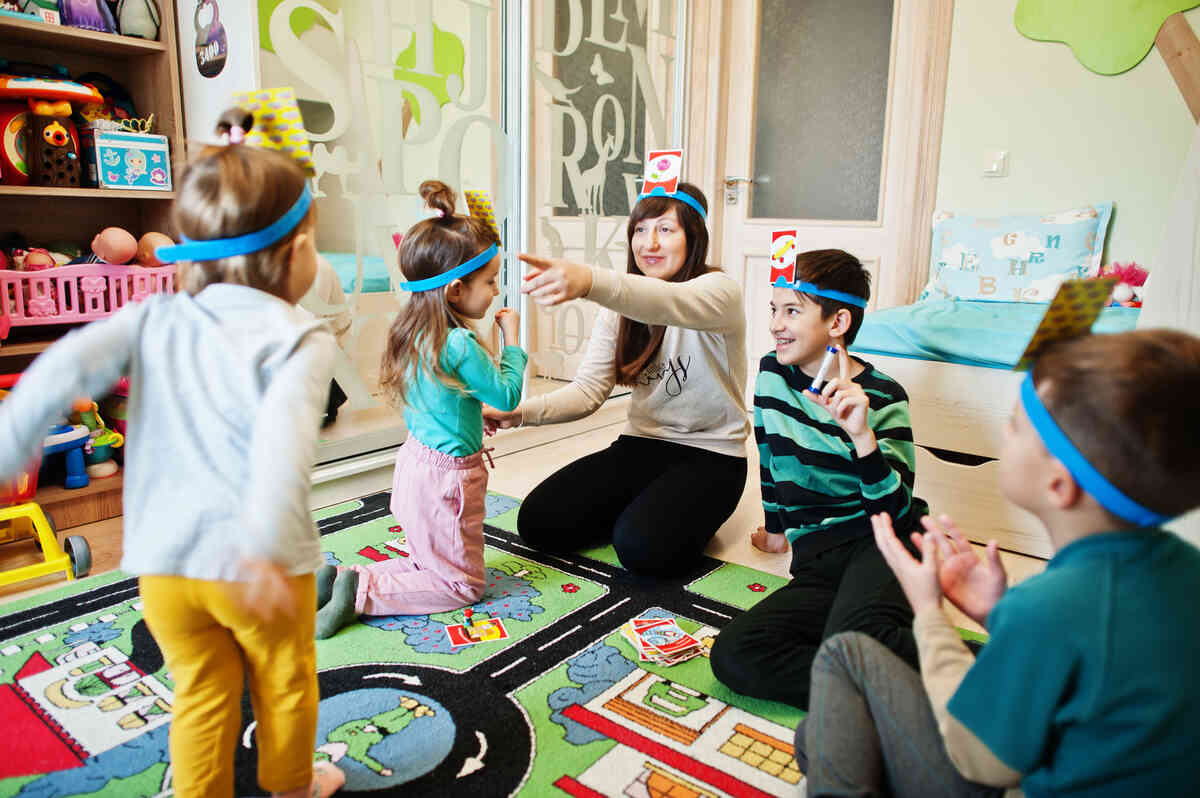
The Environment Factor: How Daycare Quality Impacts Behavior
When it comes to child behavior after daycare, it’s easy to focus only on the child. But in reality, behavior is often a reflection of the environment in which they spend their day.
Children are incredibly responsive to their surroundings. The way caregivers interact, how the day is structured, and whether the environment feels safe and engaging all shape how a child processes their experience—and how that experience shows up later at home.
In many cases, what looks like toddler tantrums after daycare is actually a response to something deeper within the environment itself.
Emotional Safety and Caregiver Consistency
At the heart of any positive daycare experience is emotional safety.
Children need to feel:
Seen and understood
Comforted when upset
Supported through transitions
Consistent caregivers play a big role in this. When children interact with familiar, responsive adults, they’re more likely to feel secure and regulated throughout the day.
On the other hand, environments with:
Frequent staff changes
Limited one-on-one interaction
Reactive (instead of supportive) responses to emotions
…can leave children feeling unsettled—even if everything looks fine on the surface.
Over time, that emotional strain can show up as changes in behavior once they return home.
Communication and Transparency With Parents
Another key factor is how well the daycare communicates with you.
Parents often feel more confident—and children benefit more—when there is:
Clear daily updates about activities and mood
Honest communication about challenges or changes
A sense of partnership between caregivers and families
When communication is limited or unclear, it becomes harder to understand what your child is experiencing during the day. This uncertainty can make it difficult to interpret child behavior after daycare and identify potential concerns early.
Strong communication isn’t just helpful—it’s part of creating a consistent, supportive experience for the child.
Play-Based Learning vs Passive Care
Not all daycare experiences are created equal. Some environments actively support learning and development, while others focus more on supervision.
High-quality environments typically include:
Guided play that encourages curiosity and creativity
Opportunities for social interaction and problem-solving
Activities that support emotional and cognitive growth
This kind of intentional child development stimulation helps children stay engaged, confident, and balanced throughout the day.
In contrast, environments that rely heavily on passive care—where children are simply “kept busy” without meaningful engagement—can lead to:
Boredom or frustration
Lack of stimulation
Energy is building up without a healthy outlet
That energy often doesn’t disappear—it shows up later, sometimes as toddler tantrums after daycare or other behavioral shifts.
Bringing It Together
When a daycare environment supports emotional safety, clear communication, and meaningful engagement, children tend to leave feeling:
Regulated rather than overwhelmed
Engaged rather than bored
Connected rather than unsettled
And that difference often shows up clearly at home.
For parents, understanding the role of the environment helps shift the question from:
“What’s wrong with my child?”
to
“What might my child be experiencing during the day?”

A Simple Way to Evaluate If Your Daycare Is the Right Fit
When you’re in the middle of daily routines—drop-offs, pickups, busy evenings—it’s not always easy to step back and evaluate whether your childcare situation is truly working. But if you’ve been noticing shifts in child behavior after daycare, having a simple way to assess things can bring clarity and peace of mind.
This isn’t about looking for perfection. It’s about understanding whether your child’s environment is supporting their emotional well-being and child development stimulation in a consistent, healthy way.
What to Look for in a Healthy Daycare Experience
A positive daycare environment doesn’t just meet basic needs—it helps children feel secure, engaged, and supported throughout the day.
Some signs that things are working well include:
Your child gradually adjusts and becomes more comfortable over time
They show moments of joy, curiosity, or excitement when talking about their day
Emotional ups and downs exist, but they don’t feel extreme or constant
You notice growth in social, emotional, or learning behaviors
It’s important to remember that even in great environments, you may still see toddler tantrums after daycare from time to time. The difference is that those moments feel temporary—not like an ongoing pattern.
Questions to Ask Your Daycare Provider
Sometimes, the clearest insights come from simple, open conversations. A supportive daycare should welcome your questions and offer transparency.
You might consider asking:
What does a typical day look like for my child?
How do you support children when they feel overwhelmed or upset?
How do you balance structured activities with free play?
How do you ensure each child gets individual attention?
These questions help you understand whether your child is receiving the kind of care and engagement that supports healthy development.
They can also gently reveal early daycare red flags for parents, such as vague answers, lack of structure, or limited communication.
Observing Your Child’s Signals
Your child may not always have the words to explain their experience—but their behavior can tell you a lot.
Pay attention to:
How they act before drop-off (eager, neutral, resistant)
How they behave after pickup (regulated, overwhelmed, disengaged)
How those patterns change over time
Consistency is key. A few tough days are normal. But ongoing patterns can offer valuable insight into how your child is experiencing their environment.
A Balanced Perspective
It’s natural to second-guess yourself when something feels off—especially when you’re balancing work, parenting, and everything in between. But evaluation doesn’t have to feel overwhelming.
By combining:
What you observe
What your child shows you
And what your provider communicates
…you can start to build a clearer picture of whether your current setup is the right fit.
And most importantly, you can make decisions from a place of confidence—not uncertainty.

The Hidden Mistake Many Parents Make
When a child starts showing changes in behavior, most parents do what comes naturally—they look for reassurance. And often, they’re told the same thing:
“It’s normal. Kids just act out after daycare.”
And sometimes, that’s absolutely true.
But here’s the hidden mistake:
assuming that all behavior is normal—and dismissing patterns that deserve attention.
When Reassurance Becomes Oversimplification
In an effort to ease worry, it’s common for advice—online or even from providers—to lean heavily toward normalization. While this can be comforting, it can also unintentionally blur an important line.
Because not all child behavior after daycare comes from the same place.
Some behaviors are healthy emotional release.
Others are signals of unmet needs, imbalance, or early daycare red flags for parents.
When everything gets labeled as “just a phase,” parents can end up:
Ignoring patterns that persist longer than expected
Second-guessing their own instincts
Waiting too long to explore whether something needs to change
The Difference Between Patience and Awareness
Good parenting often involves patience—giving your child time to adjust, grow, and settle into new routines.
But experienced parents (and educators) also know this:
Patience works best when it’s paired with awareness.
That means:
Noticing whether behavior improves over time
Paying attention to intensity and frequency
Staying open to the possibility that something in the environment may need adjustment
You don’t have to jump to conclusions. But you also don’t have to ignore what you’re seeing.
Trusting Your Instincts Without Jumping to Fear
Many parents hesitate to question their daycare choice. There’s a natural desire to make things work—especially when routines are already in place, and life is busy.
But your perspective matters.
If something feels consistently off, it’s okay to:
Ask more questions
Observe more closely
Seek clarity instead of reassurance alone
This doesn’t mean something is wrong. It simply means you’re paying attention.
And that attentiveness is one of the most important ways you support your child’s well-being.
A More Empowering Approach
Instead of asking:
“Is this normal?”
A more helpful question becomes:
“Is this improving, and does it feel right for my child?”
That small shift creates space for both reassurance and awareness.
And it allows you to respond not from fear—but from understanding.

Trust Your Instincts, But Look for Patterns
If your child has been showing changes in behavior after daycare, it’s completely natural to feel unsure about what it means. Some days will be harder than others, and in many cases, those after-daycare meltdowns are simply a release of built-up emotions. Still, when these moments start to repeat, they can offer valuable insight into your child’s daily experience.
Children who feel emotionally safe, supported, and appropriately engaged throughout the day tend to settle into a more balanced rhythm over time. While occasional toddler tantrums after daycare can still happen, they don’t feel constant or overwhelming. But when something isn’t quite aligned—whether it’s emotional support, environment, or the level of child development stimulation—those signals often show up more consistently once your child is back home.
The key is not to overanalyze every reaction, but to stay gently aware. When you begin to notice patterns instead of isolated moments, it becomes easier to understand what your child may be trying to communicate. That awareness helps you move forward with clarity and confidence, rather than doubt.
Most importantly, trust your instincts. If something feels off, even subtly, it’s worth paying attention to. You don’t need to rush into decisions, but you also don’t need to ignore early daycare red flags for parents if they continue to appear. When the environment is truly the right fit, both you and your child tend to feel it—there’s more ease, more connection, and more confidence in your daily routine.
If you’d like to see what a truly engaging and supportive daycare experience looks like in action, Sugar N Spice Day Care & Kindergarten has put together a helpful guide for parents.
Looking for daycare activities that spark curiosity, keep kids smiling, and turn every moment into a chance to learn? Visit our other blog, “10 Fun & Educational Daycare Activities to Keep Kids Happy, Engaged & Learning” to explore how the right environment can support your child’s growth every day.

Enroll Your Child Today
Sugar N Spice Day Care & Kindergarten is proudly accepting new enrollees. Call our day care center today to hear more about our early childhood education opportunities or to schedule a tour.

2026 © Sugar N Spice Day Care & Kindergarten, LLC, All rights reserve
Privacy Policy | Terms and Conditions
Powered by Kyrios Systems