
Family Owned and Operated
for 40+years
At Sugar N Spice Daycare and Kindergarten, we recognize that every child is different. Because of this, we go above and beyond to ensure your child receives one-on-one assistance in all early learning activities. We also have an open-door policy for all early learning programs, which means that our phenomenal teachers will keep you updated on your child’s achievements and milestones every step of the way.
CLASSES
Our classes are carefully crafted to meet the development needs of the each and every child. Our educators and support staff are dedicated and thoroughly trained.
Infant Care
Learn more about our infant day care. Under our care, your child will not only develop crucial life skills but also receive the dietary and lifestyle changes needed to stay happy and healthy.
Early Learning
Discover why early learning programs are so important for your child. Whether your child is 6-weeks-old or just entering kindergarten, there’s a place for them at our child care center.
Preschool
Prepare your child for school by enrolling them in a preschool education program. We follow Alabama’s state guidelines to ensure your child for kindergarten readiness
MEET THE TEACHERS
“Our children are our living letters to the world.”- Margaret Mead
Stay in the know with
Our Blogs and Resources
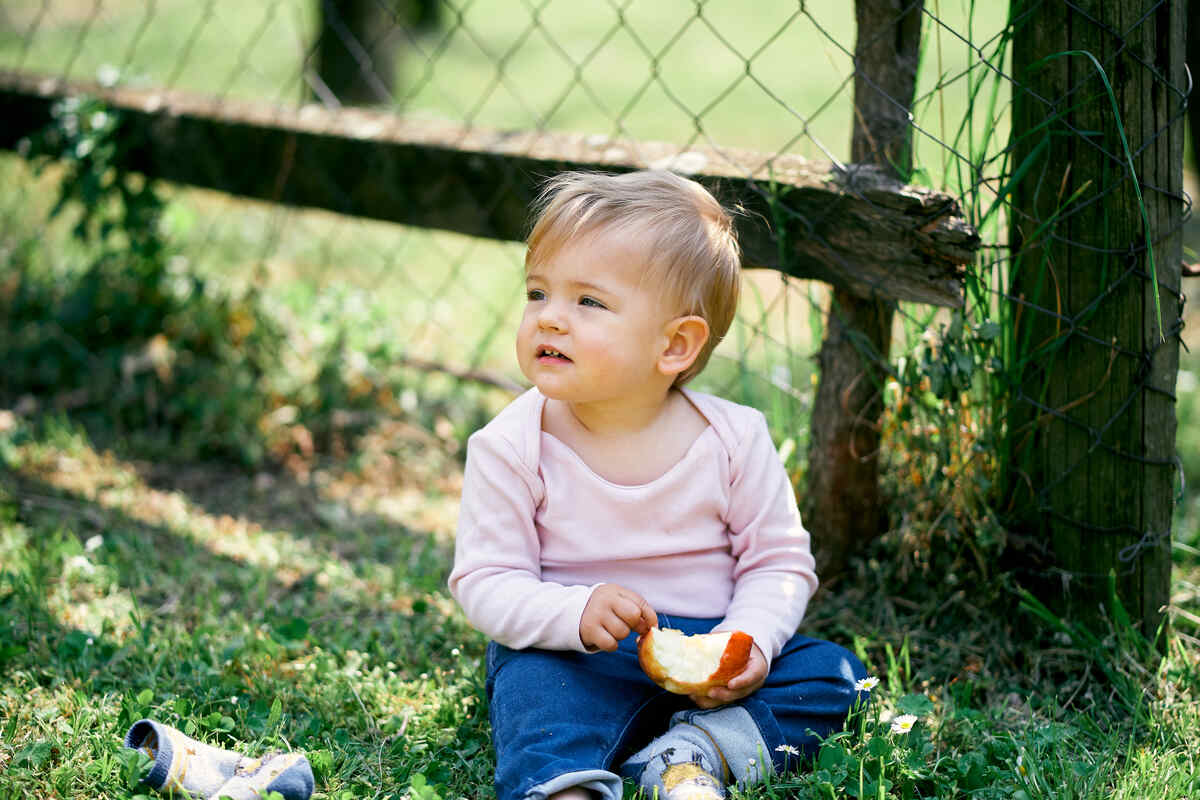
Early Childhood Experiences: Why the First Years Matter
A block tower falls, and your child tries again. A disagreement over a toy becomes a lesson in communication. These everyday early childhood experiences help shape how children learn, connect, solve problems, and manage emotions. Understanding the importance of early childhood experiences helps parents see that development often happens in simple moments, not only during structured lessons.
The first years of life are a period of rapid growth across language, thinking, movement, relationships, and emotional development. Children build these skills through play, exploration, routines, and consistent interactions with caring adults.
That is why early childhood education is about more than school readiness. It is about creating safe, supportive experiences that help children grow with confidence, curiosity, and a strong foundation for future learning. This closely reflects our focus on nurturing the whole child through compassionate care and playful learning.

Why Are Early Childhood Experiences So Important?
Early childhood is a period of rapid growth. During these years, children are developing the foundations for learning, communication, relationships, emotional regulation, and behavior. Their experiences with caregivers, teachers, peers, routines, play, and everyday environments all contribute to that process.
The early years create foundations, not a fixed future
It is easy to hear that the first years are important and assume everything about a child’s future is decided during this period. That is not the case.
Children continue learning and developing throughout childhood and into adulthood. What makes the early years important is that the brain is especially active in building connections during this stage. Early experiences help create foundations that later learning and development can build on.
That means a child does not need a perfect start. What matters is having repeated opportunities to feel safe, connect with caring adults, communicate, explore, play, and practice new skills.
Children learn through relationships and everyday experiences
Young children are learning all the time, even when no formal lesson is happening.
A conversation during lunch can build language skills. Waiting for a turn can strengthen patience and social awareness. Trying a puzzle again can encourage persistence and problem-solving. A caring adult responding to a child’s question, feeling, or gesture can support both social and cognitive development. Research on responsive “serve and return” interactions shows that these back-and-forth exchanges play an important role in healthy brain development.
This is why early childhood experiences include far more than academics. They include the relationships, routines, environments, conversations, play, and emotional experiences children encounter as they grow.
When those experiences consistently give children opportunities to feel secure, stay curious, try new things, and connect with others, they help create a strong foundation for the learning that comes next.

What Happens During the First Five Years of Child Development?
The first five years bring remarkable changes. Children move from depending on adults for nearly everything to communicating ideas, forming relationships, solving problems, managing growing independence, and making sense of the world around them.
Early brain development happens through experience
A young child’s brain develops through an ongoing combination of biology and experience. According to Harvard’s Center on the Developing Child, neural connections are shaped through interactions with adults and the environments children encounter. These connections form the foundation for increasingly complex learning and behavior as children grow.
But supporting brain development does not mean turning every moment into a lesson.
When a child listens to a story, asks a question, experiments with blocks, receives comfort after becoming upset, or invents a game with another child, several kinds of learning can happen at once. These ordinary experiences give children opportunities to communicate, think, adapt, and respond to the people and situations around them.
Development happens across connected areas
Child development is often described in separate areas, including physical, language, cognitive, social, and emotional development. In everyday life, however, these areas frequently work together.
Imagine two preschoolers building a tower. They use fine motor skills to position the blocks and thinking skills to decide what might keep the structure standing. If they build together, they may also need to explain their ideas, take turns, handle frustration, negotiate disagreements, and try a different solution when the tower falls.
One playful activity can support several areas of development. This is one reason a whole-child approach matters during the early years. Children need opportunities to move, communicate, create, build relationships, explore ideas, and develop emotionally alongside early academic skills.
The goal is not to push children through development faster. It is to give them supportive experiences that meet them where they are and create opportunities for the next skill to grow.

How Do Relationships Shape Early Childhood Development?
Children do not develop in isolation. Their relationships with parents, caregivers, teachers, and other trusted adults help shape how they understand themselves, other people, and the world around them.
Responsive relationships help children feel secure
When adults respond consistently to a child’s needs, questions, emotions, and attempts to communicate, children begin to learn that their environment is safe and predictable. Harvard’s Center on the Developing Child describes these back-and-forth interactions as “serve and return” relationships, which support healthy brain development and help build the foundation for learning and social skills.
In practice, this can look simple. A child becomes upset when another child takes a toy. Instead of only stopping the conflict, a caring adult can help the child name the feeling, explain what happened, listen to the other child, and practice a better response.
That one interaction can support emotional regulation, communication, empathy, and problem-solving.
Feeling safe creates room to explore
Strong relationships also give children the confidence to try new things. When children trust that a caring adult is nearby, they can gradually take small risks that support growth. They may join a new activity, attempt a difficult puzzle, speak up in a group, or try solving a problem before asking for help.
These experiences matter because confidence often grows through supported independence. Children learn that they can explore, make mistakes, recover, and keep going.
That approach closely reflects our emphasis on nurturing care, where children are supported in a warm environment and encouraged to grow with confidence, curiosity, and a sense of belonging.
For parents, the key takeaway is simple: meaningful relationships are not separate from learning. They are part of the way learning happens.

Why Is Play So Important in Early Childhood?
Play may look simple from the outside, but for young children, it is one of the main ways they learn. Through play, children explore ideas, test what works, practice new skills, interact with others, and make sense of the world around them. The American Academy of Pediatrics identifies play as important for healthy physical, cognitive, and social-emotional development.
Play builds thinking and problem-solving skills
When children build with blocks, complete puzzles, sort objects, mix colors, or experiment with sand and water, they are doing more than staying busy. They are observing, predicting, comparing, making decisions, and adjusting when something does not work as expected.
Imagine a child trying to build a bridge with wooden blocks. The first version collapses. Instead of giving up, the child changes the base, moves a few pieces, and tries again.
That process supports problem-solving, persistence, and flexible thinking. The lesson comes from the experience itself.
Play strengthens social and emotional skills
Play also gives children opportunities to practice being part of a group. When children play together, they may need to take turns, share materials, explain their ideas, negotiate roles, and work through disagreements. These experiences help children practice cooperation, communication, empathy, and emotional regulation in ways that feel natural and meaningful.
A pretend restaurant, for example, might require one child to be the cook, another to take orders, and another to become the customer. Before long, the children are communicating, making decisions, solving small conflicts, and learning how other people may think or feel.
Imaginative play supports language and creativity
A cardboard box can become a spaceship, a grocery store, or a castle within minutes.
During imaginative play, children create stories, assign roles, invent rules, and use language to bring their ideas to life. They also learn that there can be more than one way to use an object, solve a problem, or tell a story.
Harvard’s Center on the Developing Child includes play among the experiences that can support brain-building skills and healthy development.
This is why play-based learning holds an important place in early childhood education. It gives children room to discover, create, practice, and grow while keeping learning connected to something young children naturally want to do.
That philosophy closely aligns with our commitment to sparking curiosity and creativity through play-based, hands-on learning experiences.

How Do Early Experiences Shape Social and Emotional Development?
Social and emotional development begins with everyday interactions. Young children are learning how to understand feelings, respond to other people, manage frustration, build relationships, and become more independent. These skills develop over time through repeated experiences with caring adults and other children.
Children learn how to recognize and manage emotions
A preschooler may know they are upset long before they know how to explain why. Supportive adults help children put words to those feelings and learn what to do with them.
For example, when a child becomes frustrated because an activity is difficult, an adult can help them pause, name the feeling, and decide what to try next. Over time, experiences like this can help children build emotional awareness and practice regulating their responses.
Social experiences help build empathy and cooperation
Young children also learn about relationships by being in relationships.
Playing with other children gives them opportunities to take turns, share ideas, listen, compromise, and notice how someone else feels. Small conflicts can become valuable learning moments when children are guided through them with patience and respect.
A disagreement over a toy, for example, can become a chance to practice asking, waiting, listening, and finding a solution together.
Independence grows through small responsibilities
Social-emotional development also includes learning to do more independently.
Putting away a backpack, choosing an activity, helping clean up, asking for help, or trying to solve a problem before giving up may seem like small steps. For a young child, they are opportunities to build confidence and a sense of capability.
This whole-child view aligns with our focus on helping children grow emotionally and socially while building confidence, independence, empathy, and a sense of belonging.
The goal is not to expect young children to manage every emotion or social situation on their own. It is to give them repeated, age-appropriate chances to practice these skills with caring adults nearby to guide them.

How Do Early Childhood Experiences Affect Learning?
Learning begins long before a child sits at a desk or completes a worksheet. During early childhood, children develop important learning skills by talking, playing, asking questions, experimenting, observing, and interacting with the people around them. These early learning experiences can help build the curiosity, communication, persistence, and problem-solving skills children will use as learning becomes more complex.
Curiosity comes before worksheets
Young children are naturally driven to explore. When a child asks why leaves change color, counts the steps to the playground, sorts toys by size, or experiments with which objects float in water, they are beginning to investigate patterns and relationships.
Adults can support this curiosity without turning every experience into a formal lesson. Asking “What do you think will happen?” or “What else could you try?” encourages children to think, predict, and test their own ideas.
This is one reason play-based learning can be so valuable. Instead of asking children only to remember an answer, it gives them opportunities to discover how they might reach one.
Language develops through interaction
Language development also happens throughout a child’s day.
Conversations, stories, songs, questions, pretend play, and interactions with other children expose young learners to new words and give them opportunities to express increasingly complex ideas. NICHD notes that children develop skills and concepts important for later learning through their interactions with people and the world around them before they enter kindergarten.
Even an ordinary conversation can become meaningful. If a child finds a caterpillar outside, an adult might ask what they notice about it, where they think it is going, or what they already know about caterpillars. The child is practicing observation and language while connecting a new experience with existing knowledge.
Early learning is about more than academics
School readiness is sometimes reduced to whether a child knows letters, numbers, colors, or shapes. Those skills matter, but they are only part of the picture.
Children also benefit from learning how to listen, communicate their needs, participate with others, follow routines, persist when something feels difficult, and become increasingly independent.
The strongest early learning experiences do not simply prepare children to know more. They help children become curious, capable learners who are ready to keep discovering what comes next.

What Role Can Preschool Play in Early Childhood Development?
Parents play a central role in a child’s development, but children also learn through the environments and relationships they experience outside the home. A high-quality preschool can give children regular opportunities to build social skills, practice independence, explore new ideas, and learn alongside other children.
Preschool provides repeated social experiences
Young children need practice being part of a group. In preschool, they learn how to join activities, listen to others, take turns, share materials, ask for help, and work through small disagreements. These experiences give children a place to practice communication and relationship skills in real time.
A child who wants the same toy as a classmate, for example, has an opportunity to learn how to express what they want, listen to another child, and find a solution with support from a teacher.
Preschool creates opportunities for guided exploration
Preschool is most valuable when it goes beyond simple supervision.
A thoughtful early learning environment gives children opportunities to explore, ask questions, experiment, create, and solve problems. Teachers can guide that process by introducing new ideas, asking questions, and helping children make connections without taking over the learning for them.
Our preschool program reflects this approach through playful learning designed to support confidence, independence, empathy, and early academics.
Consistency matters more than constant stimulation
Children do not need every minute of the day filled with structured activities.
They benefit from a balanced rhythm that includes active play, quiet exploration, stories, conversation, movement, social interaction, and predictable routines. Consistency can help children know what to expect while still giving them room to make choices and follow their curiosity.
That balance matters for working parents, too. A strong preschool experience can become part of a dependable support system, giving children a safe place to grow while helping parents stay connected to what their child is learning and experiencing.
Preschool does not replace the role of parents. It extends a child’s opportunities to learn, connect, explore, and practice the skills that support future growth.

What Makes an Early Childhood Environment Supportive?
A supportive early childhood environment does more than keep children occupied. It gives them a place where they can feel secure, build relationships, explore freely, and practice new skills at a pace that fits their development.
Safe and emotionally supportive relationships
Children need adults who respond with patience, consistency, and respect.
When a child knows a trusted adult will listen, offer comfort, and help them work through challenges, they are more likely to feel secure enough to participate, explore, and try new things. Emotional safety creates the foundation children need to learn with confidence.
Opportunities to play and explore
Children learn by doing. A supportive environment gives them time to build, pretend, move, create, ask questions, and experiment. Instead of directing every activity, adults can provide age-appropriate materials and guidance while allowing children to make choices and discover what happens next.
Age-appropriate challenges
Growth often happens when children encounter something that stretches their abilities without overwhelming them.
That might mean completing a slightly harder puzzle, pouring their own drink, joining a group activity, or trying to solve a disagreement with another child.
The goal is not to push children ahead faster. It is to give them manageable opportunities to practice, make mistakes, and develop confidence through experience.
Meaningful social interaction
Spending time with other children creates opportunities that are difficult to reproduce alone.
Children can practice sharing ideas, taking turns, cooperating, expressing their needs, and navigating different personalities. These everyday interactions help them understand that being part of a group involves both expressing themselves and responding to others.
Predictable routines with room for individuality
Routines can help young children understand what comes next and feel more secure throughout the day.
At the same time, every child develops differently. A supportive environment recognizes individual interests, temperaments, abilities, and developmental needs instead of expecting every child to learn or respond in exactly the same way.
This balance between consistency and personalized care is central to our approach, which emphasizes nurturing care, respect for individuality, inclusion, and support for each child’s unique developmental journey.
Strong communication between families and educators
Parents should not feel disconnected from a large part of their child’s day.
Open communication helps families understand what their child is experiencing, learning, enjoying, and working through. It also allows parents and educators to share observations and support children more consistently across home and preschool.
A supportive early childhood environment ultimately brings these pieces together. Children have caring adults nearby, room to explore, meaningful relationships, helpful structure, and opportunities to grow while still being recognized as individuals.

The First Years Set the Stage for What Comes Next
The early years are filled with ordinary moments that quietly shape how children learn, connect, communicate, and respond to challenges. A new friendship, a difficult goodbye, a question asked again and again, or another attempt after something goes wrong can all become part of that foundation.
These experiences do not lock in a child’s future. They give children repeated opportunities to build confidence, curiosity, emotional awareness, independence, and a love of learning.
For parents, the goal is not to create a perfect childhood. It is to choose relationships, routines, and environments that help your child feel safe enough to explore, supported enough to make mistakes, and encouraged enough to keep growing.
At Sugar N Spice Day Care & Kindergarten, that belief is reflected in an approach centered on nurturing care, playful learning, and meaningful developmental experiences that support the whole child.
If you want to keep building on that foundation, explore why early skills matter before school starts and how those early abilities can support the transition into the classroom.
The strongest start is not about rushing children forward. It is about giving them the support, space, and experiences they need to grow into confident learners at their own pace.

Enroll Your Child Today
Sugar N Spice Day Care & Kindergarten is proudly accepting new enrollees. Call our day care center today to hear more about our early childhood education opportunities or to schedule a tour.

2026 © Sugar N Spice Day Care & Kindergarten, LLC, All rights reserve
Privacy Policy | Terms and Conditions
Powered by Kyrios Systems