
Family Owned and Operated
for 40+years
At Sugar N Spice Daycare and Kindergarten, we recognize that every child is different. Because of this, we go above and beyond to ensure your child receives one-on-one assistance in all early learning activities. We also have an open-door policy for all early learning programs, which means that our phenomenal teachers will keep you updated on your child’s achievements and milestones every step of the way.
CLASSES
Our classes are carefully crafted to meet the development needs of the each and every child. Our educators and support staff are dedicated and thoroughly trained.
Infant Care
Learn more about our infant day care. Under our care, your child will not only develop crucial life skills but also receive the dietary and lifestyle changes needed to stay happy and healthy.
Early Learning
Discover why early learning programs are so important for your child. Whether your child is 6-weeks-old or just entering kindergarten, there’s a place for them at our child care center.
Preschool
Prepare your child for school by enrolling them in a preschool education program. We follow Alabama’s state guidelines to ensure your child for kindergarten readiness
MEET THE TEACHERS
“Our children are our living letters to the world.”- Margaret Mead
Stay in the know with
Our Blogs and Resources
The Kindergarten Environment That Helps Kids Thrive
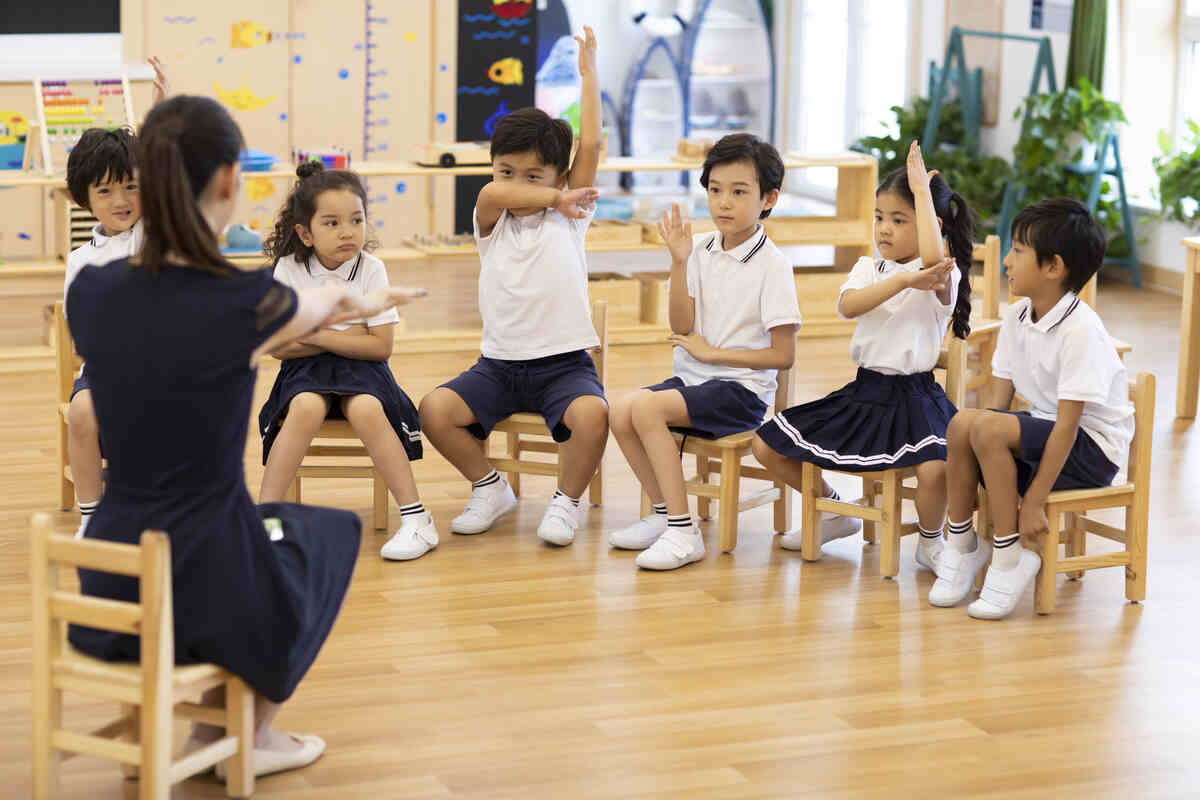
The kindergarten environment plays a major role in how children learn, explore, and develop confidence during their early years. A nurturing kindergarten learning environment helps children feel safe, supported, and excited to discover new ideas while building important social, emotional, and cognitive skills.
Early childhood is one of the most important stages of development. During this time, children are naturally curious about the world around them. The environment where they spend their day—teachers, activities, classroom setup, and daily routines—can strongly influence how they learn and interact with others.
A well-designed childhood learning environment supports children in several important ways:
Encourages curiosity and exploration through hands-on activities
Builds emotional security so children feel comfortable trying new things
Promotes social development through friendships and cooperative play
Supports early academic growth through engaging learning experiences
When children feel comfortable and supported in their surroundings, they are more willing to ask questions, participate in activities, and develop new skills. This is why the structure and atmosphere of a classroom matter just as much as the lessons themselves.
A high-quality kindergarten environment combines thoughtful classroom design, caring educators, and meaningful learning experiences. Instead of focusing only on traditional instruction, many modern programs emphasize a play-based kindergarten approach, where children learn through discovery, creativity, and interaction with their peers.
Play-based learning environment in kindergarten, activities such as building, storytelling, art, music, and imaginative play allow children to develop problem-solving abilities and communication skills while enjoying the learning process. These experiences help create a positive association with school from an early age.
For parents, choosing the right kindergarten environment means finding a place where their child feels safe, valued, and inspired to learn every day. When the childhood learning environment supports both emotional well-being and intellectual growth, children develop the confidence and curiosity that form the foundation for lifelong learning.
What Is a Kindergarten Environment?
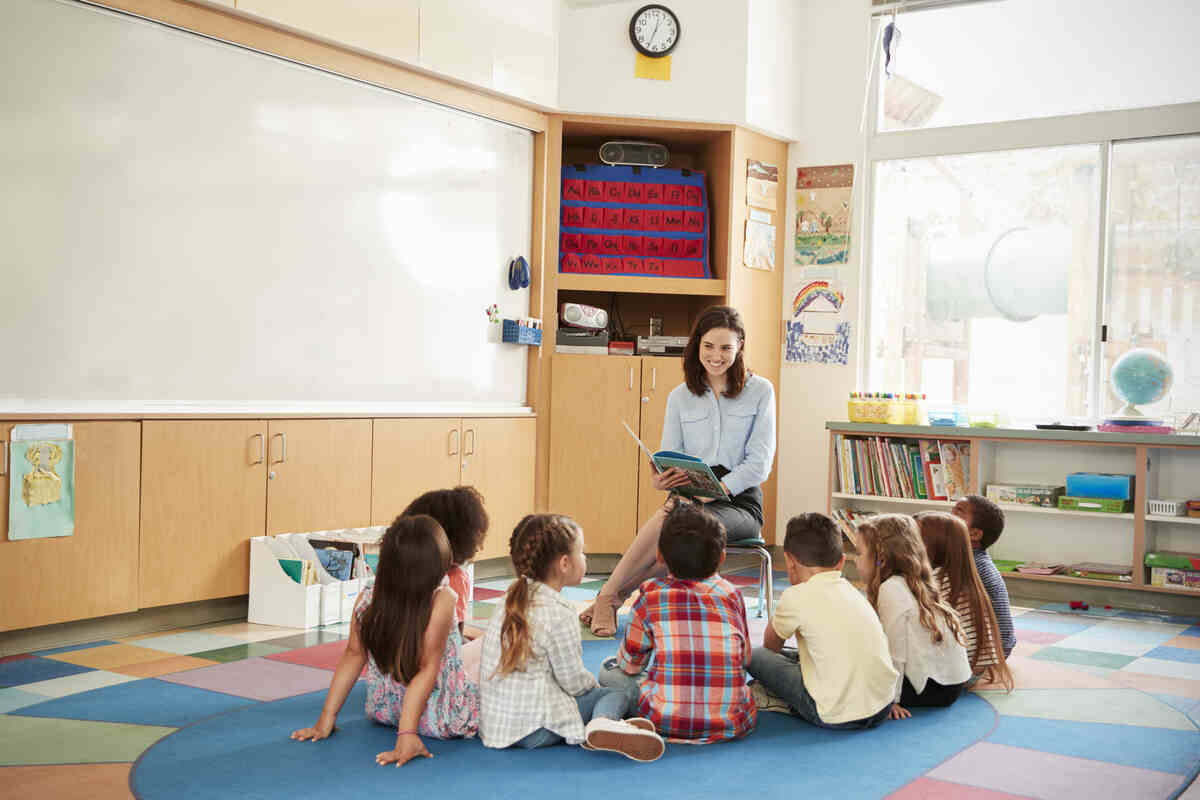
A kindergarten environment is the complete setting where young children learn, explore, and interact during their early education experience. It includes the physical classroom, the teaching approach, the emotional atmosphere, and the daily routines that guide children through their day. A strong kindergarten learning environment helps children feel safe, curious, and confident while developing important early skills.
In early childhood education, the environment shapes how children experience learning. Children do not simply absorb information through instruction. Instead, they learn by exploring, playing, observing, and interacting with others. Because of this, the environment around them plays a powerful role in how they grow and develop.
A healthy kindergarten learning environment supports several areas of development at the same time:
Emotional development – Children learn to express feelings, build confidence, and feel secure.
Social development – Children practice sharing, cooperating, and forming friendships.
Cognitive development – Activities encourage curiosity, thinking, and problem-solving.
Physical development – Movement and hands-on activities strengthen coordination and motor skills.
These elements work together to create a supportive childhood learning environment where children feel encouraged to participate and explore new ideas.
Another important part of a strong kindergarten environment is structure and routine. Young children benefit from predictable schedules that help them understand what comes next during the day. Activities such as morning greetings, group discussions, creative play, outdoor time, and story sessions provide balance between structure and exploration.
Teachers also play a central role in shaping the environment. Warm, attentive educators help children feel respected and supported while guiding them through new experiences. When teachers listen carefully, offer encouragement, and celebrate progress, children begin to see themselves as capable learners.
Many modern programs also emphasize a play-based kindergarten approach. In a play-based kindergarten, learning happens through activities such as building, storytelling, art, music, and imaginative play. These experiences allow children to experiment, ask questions, and discover how things work in a natural and enjoyable way.
The goal of a well-designed kindergarten environment is simple: create a place where children feel safe, supported, and excited to learn each day.
What Physical Elements Create a Healthy Kindergarten Learning Environment?
A healthy kindergarten learning environment includes organized, welcoming spaces that encourage exploration, creativity, and movement. When classrooms are thoughtfully designed, children can easily move between different activities and engage in a variety of learning experiences.
Young children benefit from environments that provide both structure and flexibility. Instead of one large open space, many classrooms are divided into learning areas or activity stations. Each area encourages a different type of learning.
Common physical elements of a kindergarten environment include:
Reading Corners
Quiet reading spaces with books and comfortable seating encourage children to explore stories and develop early literacy skills. These areas help children build vocabulary and develop a love for reading.
Creative Play Areas
Art tables with drawing materials, paints, and craft supplies allow children to express their ideas and imagination. Creative activities also help children develop fine motor skills.
Building and Construction Spaces
Blocks, puzzles, and building materials encourage problem-solving and spatial thinking. Children experiment with shapes, balance, and structures while developing patience and persistence.
Movement and Activity Areas
Open areas allow children to stretch, dance, and participate in group activities. Movement is essential for physical development and helps children stay energized and focused.
Quiet Learning Spaces
Some children need short breaks or quiet moments during the day. Calm areas provide a comfortable space where children can focus on individual activities or relax briefly.
An organized classroom also encourages independence. Materials placed on accessible shelves allow children to choose activities and return them when finished. These small habits teach responsibility and decision-making.
When the physical classroom is bright, welcoming, and well organized, children naturally feel more comfortable participating and exploring.
What Emotional Factors Shape a Positive Childhood Learning Environment?
A positive childhood learning environment is built on emotional safety, encouragement, and supportive relationships. When children feel valued and respected, they become more confident learners who are willing to try new things.
Teachers play an important role in creating this emotional atmosphere. Simple actions such as greeting children warmly, listening carefully, and offering encouragement help children feel understood and supported.
Several emotional factors contribute to a strong kindergarten learning environment:
Supportive Teacher Relationships
Children thrive when teachers are patient, attentive, and responsive to their needs. Strong teacher-child relationships create trust and comfort within the classroom.
Encouragement and Positive Reinforcement
Celebrating effort and progress helps children develop confidence. Positive feedback encourages children to continue exploring and learning.
A Sense of Belonging
Children learn best when they feel included in their classroom community. Activities that encourage teamwork and friendship help build a sense of belonging.
Opportunities for Expression
Children need ways to express their ideas and emotions. Activities such as storytelling, music, art, and group discussions allow them to share thoughts and experiences.
When these emotional elements are present, the classroom becomes more than a place for instruction. It becomes a supportive kindergarten learning environment where children feel happy, confident, and excited to learn.
Why Is the Kindergarten Learning Environment Important for Child Development?
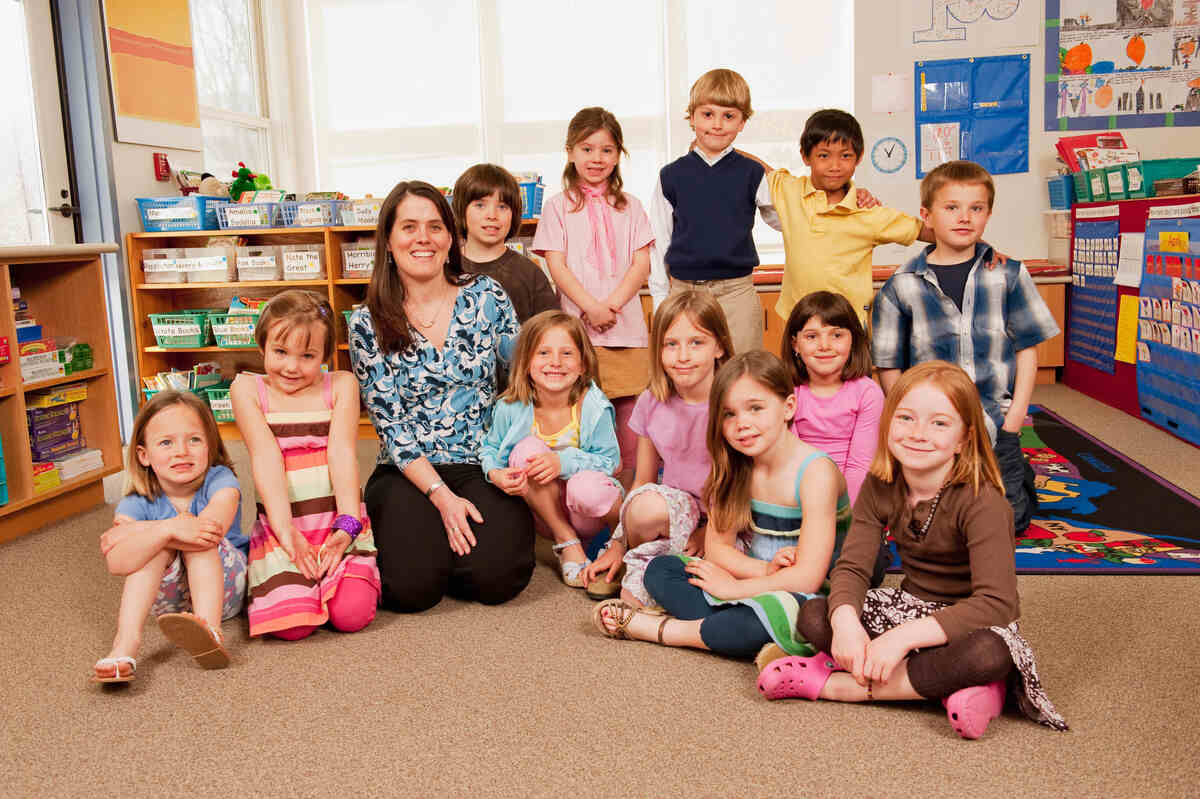
The kindergarten learning environment plays a critical role in shaping how children think, feel, and interact with the world around them. During early childhood, the brain develops rapidly, and the experiences children have in their learning environment strongly influence their emotional, social, and cognitive growth.
Young children learn best through active experiences rather than passive instruction. A well-designed kindergarten environment provides opportunities for children to explore, ask questions, interact with others, and practice new skills every day.
When the environment is supportive and engaging, children develop a strong foundation for future learning.
Several areas of development are influenced by the childhood learning environment.
How Does the Kindergarten Environment Support Early Thinking and Problem-Solving Skills?
A strong kindergarten learning environment encourages curiosity, experimentation, and discovery, which are essential for developing thinking and problem-solving abilities.
Young children naturally explore the world by asking questions, testing ideas, and observing outcomes. Classrooms that offer hands-on activities allow children to practice these skills in meaningful ways.
For example, activities such as building with blocks, solving puzzles, or exploring simple science experiments help children:
Recognize patterns and relationships
Test ideas and adjust their approach
Develop patience and persistence
Strengthen memory and attention
These experiences help children build the early cognitive skills that support future learning in reading, math, and science.
In a play-based kindergarten, many of these thinking skills develop through playful exploration. Children experiment with materials, imagine solutions, and collaborate with classmates while engaging in creative activities.
How Does the Childhood Learning Environment Help Children Develop Emotional Confidence?
A supportive childhood learning environment helps children develop emotional security and confidence. When children feel safe and supported, they are more willing to try new activities and express their ideas.
Teachers help build confidence by encouraging children to:
try new tasks
solve problems independently
express thoughts and feelings
celebrate small successes
Positive reinforcement plays an important role in emotional development. When educators recognize effort and progress, children begin to believe in their abilities.
This growing confidence encourages children to approach challenges with curiosity instead of fear. Over time, they learn that mistakes are a natural part of learning.
A nurturing kindergarten environment helps children build resilience, emotional awareness, and self-esteem.
How Does the Kindergarten Learning Environment Help Children Build Social Skills?
The kindergarten learning environment is often a child’s first experience participating in a structured community of peers. Daily interactions with classmates help children develop important social skills that support healthy relationships.
Through group activities and shared play experiences, children practice:
sharing materials and space
taking turns
listening to others
expressing ideas respectfully
resolving small conflicts
These experiences help children develop empathy and cooperation. They begin to understand how their actions affect others and learn how to communicate effectively.
A play-based kindergarten environment often provides many opportunities for social interaction. Activities such as group storytelling, cooperative games, and imaginative play allow children to practice communication and teamwork in a natural setting.
These early social experiences help children feel comfortable working with others and prepare them for the collaborative learning environments they will encounter in future grades.
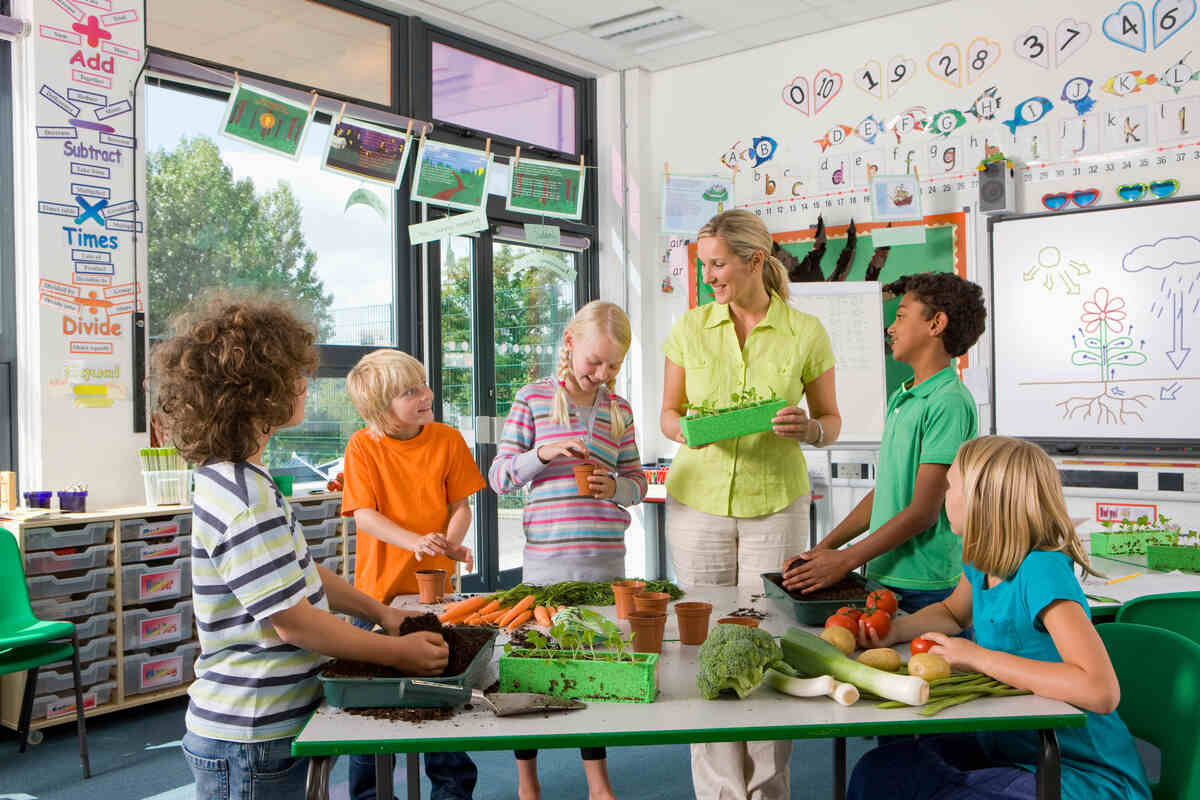
What Makes a Kindergarten Environment Healthy and Supportive?
A healthy kindergarten environment provides safety, encouragement, structure, and opportunities for meaningful exploration. When children feel secure and supported, they are more willing to ask questions, try new activities, and interact with others. A strong kindergarten learning environment combines nurturing relationships with engaging learning experiences that help children grow socially, emotionally, and intellectually.
Young children thrive when their environment balances structure with freedom to explore. Clear routines help children feel comfortable, while hands-on activities allow them to discover new ideas through experience.
Several key elements contribute to a supportive childhood learning environment.
How Does a Safe and Nurturing Kindergarten Environment Encourage Learning?
A safe and nurturing kindergarten environment helps children feel comfortable exploring and participating in new activities. When children feel emotionally and physically secure, they are more willing to ask questions, experiment with ideas, and interact with others.
Safety in a learning environment includes both physical and emotional support.
Physical safety includes:
clean and organized classrooms
safe equipment and materials
attentive supervision from teachers
Emotional safety includes:
respectful communication
encouragement rather than criticism
patience when children are learning new skills
When children know they are supported, they feel confident enough to take small risks in learning. Trying a new activity, sharing an idea in front of others, or solving a challenging puzzle all require a sense of comfort and trust within the classroom.
A nurturing environment also helps children manage emotions and build resilience. When teachers guide children through challenges with patience and understanding, children learn that mistakes are part of the learning process.
Why Do Experienced and Caring Teachers Matter in a Kindergarten Learning Environment?
Teachers play one of the most important roles in shaping a kindergarten learning environment. Experienced and caring educators provide guidance, encouragement, and structure that help children develop both confidence and curiosity.
Young children rely on teachers to help them navigate new experiences. Educators support children by:
explaining new concepts in simple ways
encouraging exploration and questions
helping children resolve small conflicts
recognizing effort and progress
When teachers respond with warmth and patience, children begin to trust the learning process. They feel comfortable asking for help, expressing ideas, and participating in group activities.
Experienced educators also understand how to balance guided instruction with independent exploration. They know when to offer support and when to allow children to discover solutions on their own.
This balance encourages both independence and confidence within the childhood learning environment.
Why Does Communication With Parents Strengthen a Childhood Learning Environment?
Strong communication between educators and families helps create a consistent and supportive childhood learning environment for children. When parents and teachers share information, they can better support a child’s development both at school and at home.
Clear communication helps parents understand:
what their child is learning
how their child interacts with others
what skills their child is developing
how they can support learning at home
Regular updates also give parents peace of mind. Knowing how their child is doing during the day helps families feel connected to the learning process.
Parent–teacher partnerships strengthen the kindergarten experience by ensuring that children receive consistent encouragement and guidance in both environments.
When schools and families work together, children benefit from a stronger support system that helps them grow with confidence.
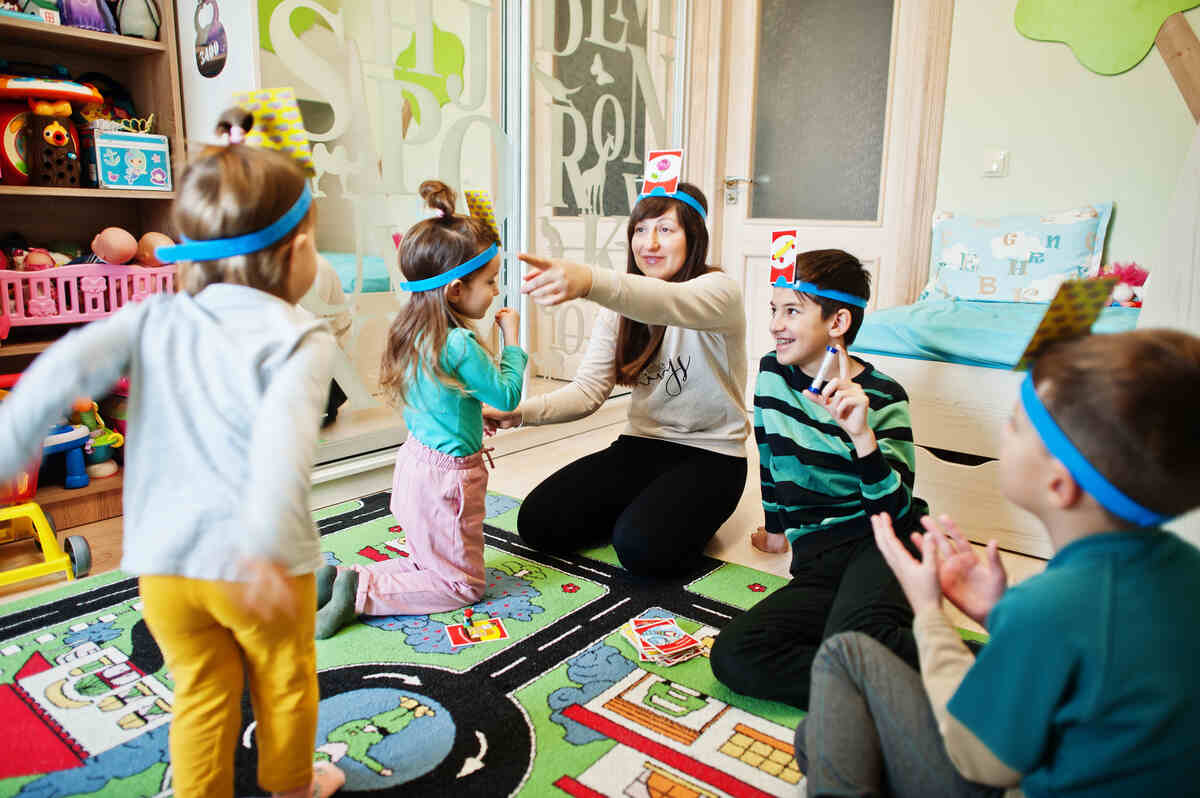
How Does a Play-Based Kindergarten Help Children Thrive?
A play-based kindergarten helps children thrive by allowing them to learn through exploration, creativity, and hands-on experiences. Instead of relying only on structured instruction, a play-based kindergarten encourages children to discover ideas through activities such as building, storytelling, art, and imaginative play. These experiences support cognitive development, social skills, and emotional confidence.
Young children naturally learn through play. When they experiment with materials, interact with classmates, and explore new ideas, they develop skills that support both academic learning and everyday problem-solving.
In a play-based kindergarten, learning activities are intentionally designed to combine fun with meaningful development. Children practice important skills while remaining curious, engaged, and excited about learning.
Several key benefits explain why a play-based kindergarten learning environment supports early development.
How Does Play-Based Kindergarten Help Children Develop Problem-Solving Skills?
Play encourages children to experiment, test ideas, and discover solutions, which are essential steps in developing problem-solving skills.
During play, children often encounter small challenges that require creative thinking. For example, when building a structure with blocks or completing a puzzle, children must figure out how pieces fit together or how to balance materials.
Activities that strengthen problem-solving include:
building towers or structures with blocks
completing puzzles and matching games
experimenting with simple science activities
creating imaginative scenarios during pretend play
Through these experiences, children learn to observe results, adjust their approach, and try again. These early problem-solving experiences build persistence and flexible thinking.
Over time, children become more confident in their ability to tackle new challenges within the kindergarten learning environment.
How Does Play Encourage Creativity and Curiosity?
Play allows children to express ideas, explore possibilities, and develop imagination, which are essential parts of a healthy childhood learning environment.
Creative activities encourage children to experiment without fear of making mistakes. Instead of focusing only on correct answers, play encourages exploration and curiosity.
Examples of activities that stimulate creativity include:
drawing, painting, and crafting
storytelling and puppet shows
music and movement activities
imaginative role-playing games
When children are given opportunities to create and imagine, they begin to see learning as something enjoyable rather than stressful.
This positive experience helps children develop a natural curiosity that motivates them to continue learning as they grow.
How Does Play-Based Kindergarten Support Social Development?
A play-based kindergarten environment provides many opportunities for children to interact with peers and practice important social skills.
During group activities and shared play experiences, children learn how to communicate, cooperate, and understand the perspectives of others.
Through play, children practice:
sharing toys and materials
taking turns during activities
working together to complete tasks
expressing ideas during group play
resolving small disagreements with guidance from teachers
These experiences help children develop empathy, patience, and cooperation. Over time, they become more comfortable forming friendships and participating in group learning environments.
Play also allows children to practice communication skills in a natural setting. Through conversation and imaginative scenarios, they learn to express thoughts clearly and listen to others.
A play-based kindergarten learning environment supports many areas of development at the same time. Children strengthen thinking skills, creativity, social abilities, and emotional confidence while enjoying the learning process.
Because learning feels like exploration rather than pressure, children often develop a positive attitude toward school and learning that can last for many years.
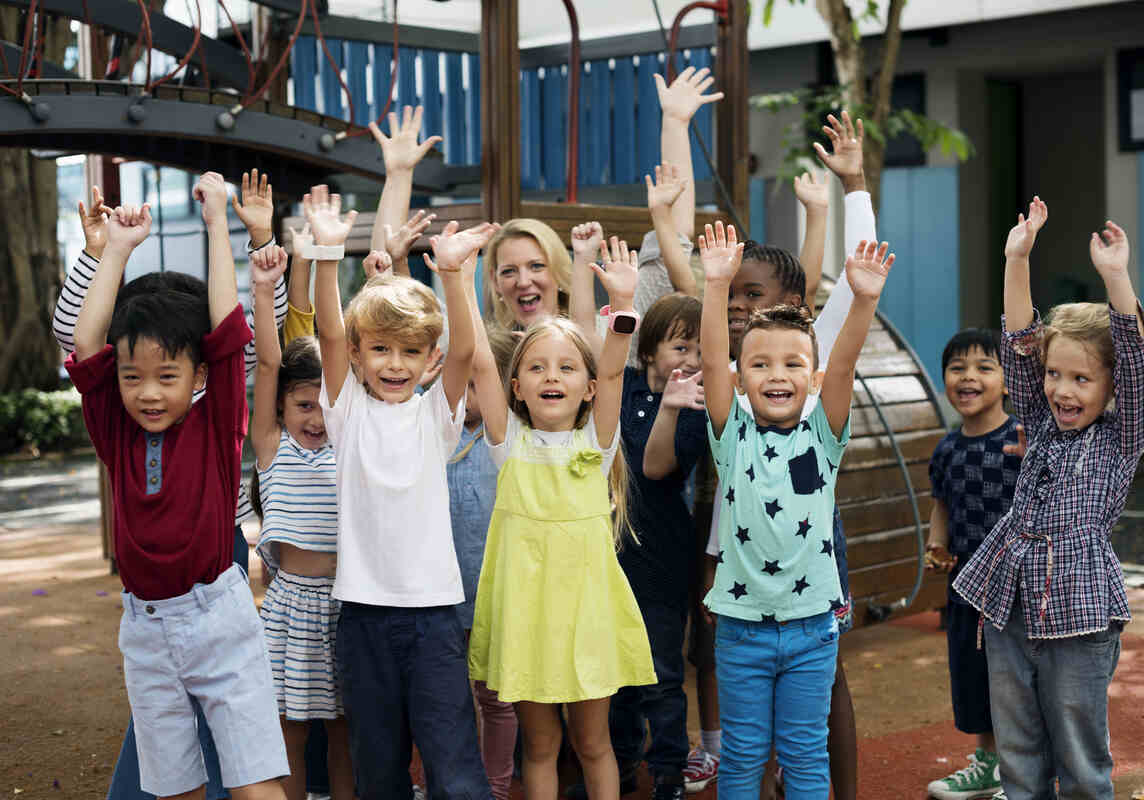
How Does a Positive Kindergarten Environment Build Confidence?
A positive kindergarten environment builds confidence by helping children feel safe, capable, and supported as they learn new skills. When children receive encouragement, guidance, and opportunities to try things independently, they begin to trust their abilities. Over time, this supportive kindergarten learning environment helps children develop self-esteem, resilience, and a willingness to explore new challenges.
Confidence does not appear instantly in young children. It grows gradually through everyday experiences such as solving a problem, completing a task, or sharing an idea with others. When teachers create an encouraging childhood learning environment, children begin to see themselves as capable learners.
Several aspects of the kindergarten environment help strengthen confidence.
How Do Teachers Help Children Become Confident Learners?
Teachers play a key role in helping children develop confidence within the kindergarten learning environment. Through patience, encouragement, and supportive guidance, educators help children feel comfortable participating in activities and expressing their ideas.
One of the most effective ways teachers build confidence is by recognizing effort rather than focusing only on results. When children feel their efforts are appreciated, they become more willing to keep trying even when something feels difficult.
Teachers support confidence by:
celebrating small achievements and progress
encouraging children to ask questions
guiding children through challenges without criticism
helping children solve problems independently
creating a classroom atmosphere where mistakes are treated as learning opportunities
These actions help children develop a sense of competence and motivation. Instead of worrying about being wrong, children feel comfortable exploring new ideas and trying unfamiliar activities.
Over time, this supportive approach helps children view learning as a positive and rewarding experience.
How Does Independence in Kindergarten Prepare Children for School Success?
Independence is an important skill that develops naturally within a supportive kindergarten environment. As children participate in daily routines and activities, they gradually learn how to make decisions, solve small problems, and manage responsibilities.
Simple classroom routines often help build independence. Children may learn to:
choose activities during learning time
organize materials and return them after use
follow daily schedules and transitions
complete simple tasks with minimal assistance
These experiences teach children how to take responsibility for their actions and choices.
A play-based kindergarten learning environment also supports independence by allowing children to explore ideas at their own pace. When children experiment with materials, work through challenges, and collaborate with classmates, they develop confidence in their abilities.
As independence grows, children become more comfortable expressing ideas, asking for help when needed, and approaching new experiences with curiosity.
A supportive kindergarten learning environment helps children understand that learning is a process. With encouragement and guidance, children develop the confidence to try new activities, build relationships, and explore the world around them.
These early experiences with independence and confidence provide an important foundation for success in school and beyond.
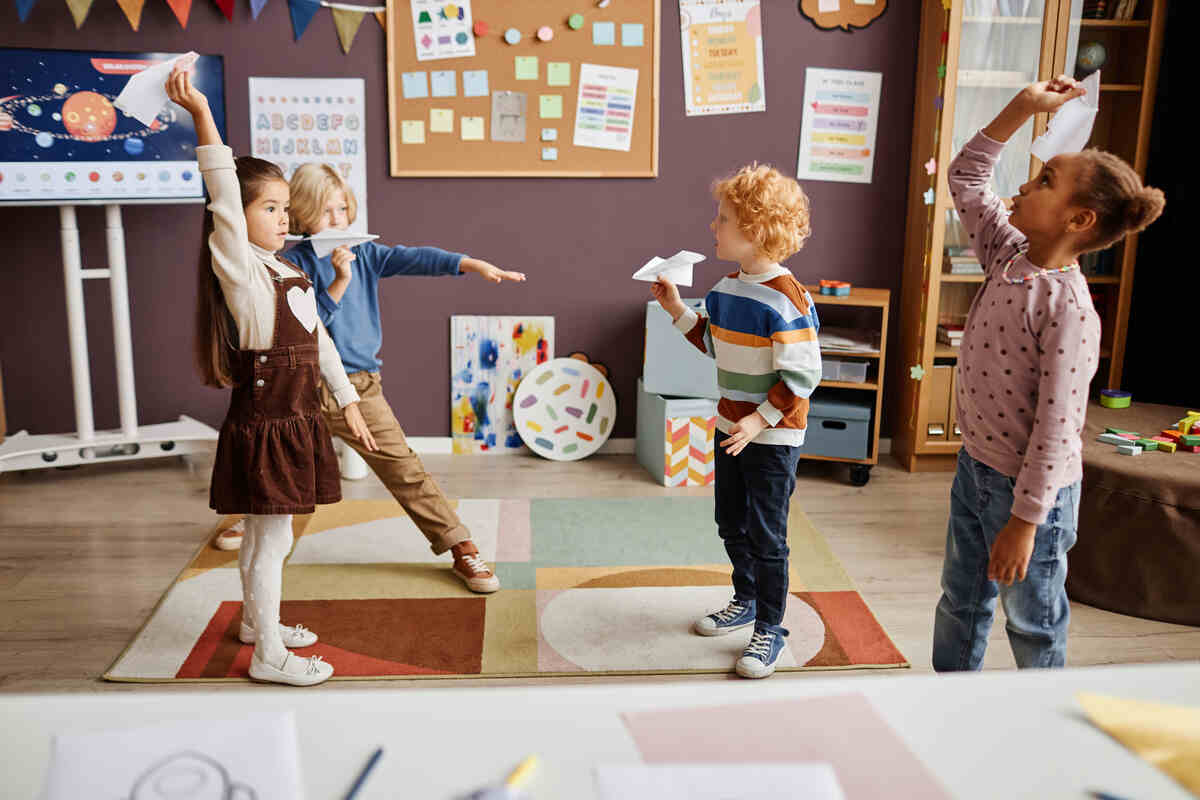
How Does a Strong Childhood Learning Environment Prepare Children for School?
A strong childhood learning environment prepares children for school by helping them develop early academic abilities, social skills, and confidence in structured learning settings. A supportive kindergarten environment introduces children to routines, group learning, and foundational concepts that help them transition smoothly into elementary school.
Kindergarten is often a child’s first experience participating in a structured educational setting. Through daily routines, guided activities, and peer interaction, children begin to understand how learning communities work. These early experiences help children build the habits and skills needed for future academic success.
A well-designed kindergarten learning environment prepares children in several important ways.
What Early Academic Skills Do Children Develop in Kindergarten?
A strong kindergarten environment introduces children to foundational academic skills through engaging and developmentally appropriate activities. These early lessons build the groundwork for future reading, writing, and mathematics.
Rather than focusing only on memorization, many classrooms use hands-on learning experiences that allow children to practice new skills in meaningful ways.
Children typically begin developing several early academic abilities during kindergarten.
Early Literacy Skills
Children start learning the building blocks of reading and writing. Activities such as storytelling, songs, and shared reading help children:
recognize letters and sounds
build vocabulary
understand how stories work
develop listening and communication skills
Early Math Skills
Simple math activities introduce children to numbers and patterns. Through games and interactive activities, children learn to:
count objects
recognize numbers
identify shapes and patterns
compare sizes and quantities
These early experiences help children feel more comfortable with academic concepts as they continue their education.
What Life Skills Do Children Learn in a Kindergarten Learning Environment?
In addition to academic learning, a kindergarten learning environment helps children develop essential life skills that support success in school and everyday situations.
Many of these skills develop naturally through classroom routines and group activities.
Important life skills children learn include:
Communication Skills
Children practice expressing ideas, asking questions, and listening to others during discussions and group activities.
Collaboration and Teamwork
Working with classmates helps children learn how to share responsibilities, cooperate, and contribute to group projects.
Emotional Regulation
Teachers help children recognize and manage their emotions. Children begin learning how to respond calmly to challenges or frustrations.
Responsibility and Independence
Daily routines encourage children to organize materials, follow instructions, and complete tasks on their own.
These skills help children feel comfortable participating in classroom activities and interacting with teachers and peers.
A supportive kindergarten environment prepares children not only for academic learning but also for the social and emotional experiences that come with school life. When children develop confidence, curiosity, and strong communication skills, they are better prepared to succeed in future learning environments.
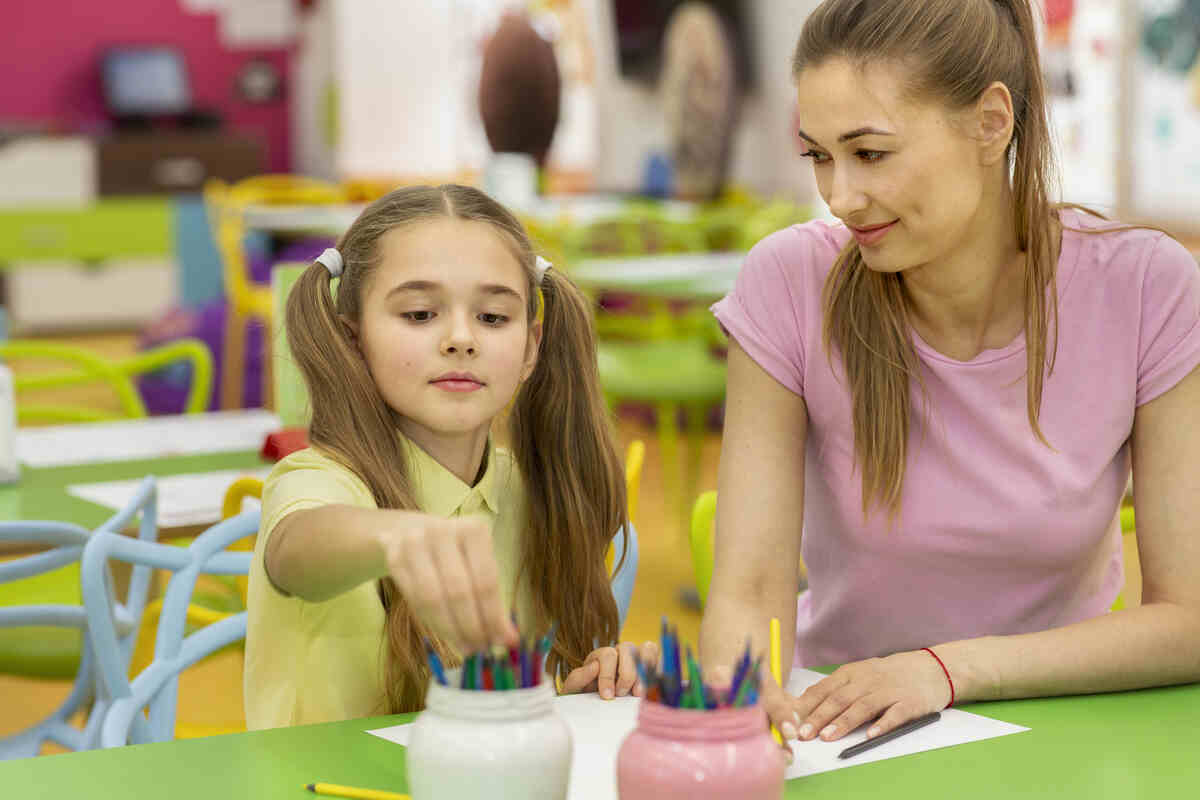
What Should Parents Look for in a Kindergarten Environment?
Parents should look for a kindergarten environment that is safe, nurturing, engaging, and supportive of a child’s development. A strong kindergarten learning environment encourages curiosity, builds confidence, and helps children develop social and academic skills through meaningful experiences.
Choosing a kindergarten is an important decision for families. Parents want to know their child is in a place where they feel safe, valued, and excited to learn each day. By paying attention to a few key factors, families can better understand whether a program provides a healthy childhood learning environment.
Several signs can help parents recognize a high-quality kindergarten.
What Signs Show a Kindergarten Learning Environment Is Safe and Nurturing?
A healthy kindergarten environment should feel welcoming, calm, and supportive for children and families. When visiting a classroom, parents can often sense the atmosphere immediately.
Some positive signs to look for include:
Warm Teacher Interactions
Teachers speak kindly with children, listen carefully to their ideas, and offer encouragement during activities.
Engaged and Happy Children
Children appear comfortable, curious, and involved in classroom activities rather than bored or withdrawn.
Organized and Clean Classrooms
Learning materials are easy to access, spaces are tidy, and classrooms are designed with children’s safety in mind.
Clear Daily Routines
Schedules for activities such as learning time, playtime, and group discussions provide structure and consistency.
When these elements are present, the classroom often reflects a thoughtful kindergarten learning environment designed to support healthy development.
What Questions Should Parents Ask When Touring a Kindergarten?
Asking questions during a visit can help parents understand how a kindergarten program supports children’s learning and development.
Helpful questions may include:
What teaching philosophy guides your program?
How does your classroom support a play-based kindergarten approach?
How do teachers communicate with parents about a child’s progress?
What does a typical day look like for children in the program?
How do teachers support children who are learning new social or emotional skills?
These questions allow parents to learn more about the program’s approach and how it supports a positive childhood learning environment.
How Can Parents Tell if a Play-Based Kindergarten Is the Right Fit?
A play-based kindergarten can be a great choice for many children because it encourages exploration, creativity, and social interaction. However, parents may want to observe how play is integrated into learning during their visit.
Some signs that a play-based kindergarten is effective include:
Children Are Actively Engaged
Children are building, creating, experimenting, and participating in imaginative play rather than passively sitting for long periods.
Teachers Guide to Learning Through Activities
Educators support play by asking questions, encouraging curiosity, and connecting activities to learning goals.
The Classroom Encourages Exploration
Children have access to different materials and learning stations that support discovery and creativity.
When play is thoughtfully integrated with guidance from teachers, it becomes a powerful tool for learning. A well-designed play-based kindergarten environment allows children to build essential skills while enjoying the process of discovery.
Choosing the right kindergarten environment helps children feel comfortable, confident, and excited about learning. When families find a supportive classroom that encourages curiosity, creativity, and meaningful relationships, children gain the strong foundation they need for future success.
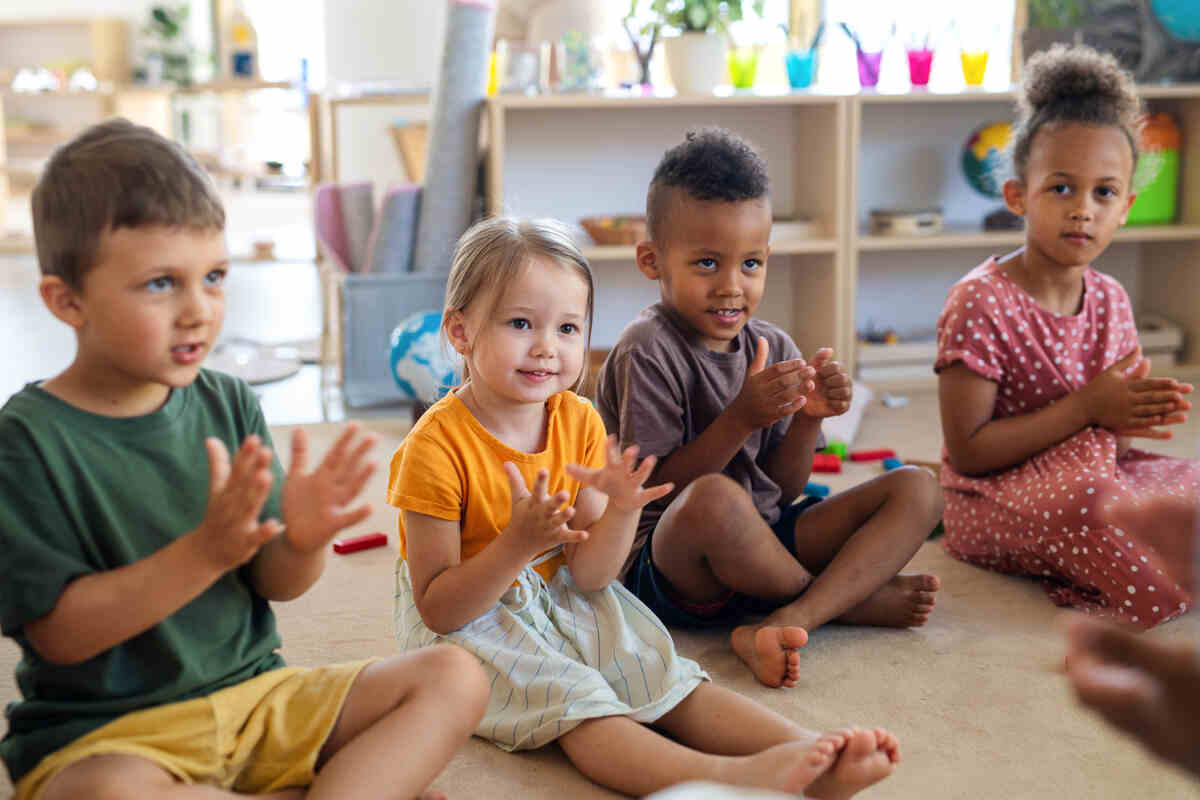
Why the Right Kindergarten Environment Helps Children Thrive
The right kindergarten environment helps children thrive by creating a space where they feel safe, supported, and excited to learn each day. When children feel comfortable in their surroundings and trust the adults guiding them, they become more willing to explore new ideas, interact with others, and develop confidence in their abilities.
A strong kindergarten learning environment does more than introduce early academic skills. It encourages curiosity, creativity, and independence during one of the most important stages of development. When classrooms combine caring teachers, engaging activities, and thoughtful routines, children begin to see learning as a positive and enjoyable experience.
These early experiences matter because they influence how children approach challenges, build relationships, and develop a lifelong love of learning. A nurturing childhood learning environment gives children the confidence to ask questions, experiment with new ideas, and grow socially and emotionally alongside their peers.
Many families also find that a play-based kindergarten helps children feel more engaged and motivated. Learning through exploration, storytelling, art, and collaborative play allows children to build important skills while enjoying the process of discovery. When learning feels natural and exciting, children develop a strong foundation for future education.
For parents, choosing a kindergarten is about more than finding a place for daily care. It is about finding an environment where their child feels valued, supported, and encouraged to grow.
If you are exploring kindergarten programs, asking the right questions can help you better understand how a classroom supports children’s learning and development.
Want to know what questions you should ask your child’s kindergarten teacher? Visit our related blog, “7 Questions to Ask Your Child's Kindergarten Teacher,” to learn what to ask during a tour or conversation with educators.
This guide can help you feel more confident when evaluating a kindergarten program and choosing a learning environment where your child can truly thrive.

Enroll Your Child Today
Sugar N Spice Day Care & Kindergarten is proudly accepting new enrollees. Call our day care center today to hear more about our early childhood education opportunities or to schedule a tour.

2026 © Sugar N Spice Day Care & Kindergarten, LLC, All rights reserve
Privacy Policy | Terms and Conditions
Powered by Kyrios Systems