
Family Owned and Operated
for 40+years
At Sugar N Spice Daycare and Kindergarten, we recognize that every child is different. Because of this, we go above and beyond to ensure your child receives one-on-one assistance in all early learning activities. We also have an open-door policy for all early learning programs, which means that our phenomenal teachers will keep you updated on your child’s achievements and milestones every step of the way.
CLASSES
Our classes are carefully crafted to meet the development needs of the each and every child. Our educators and support staff are dedicated and thoroughly trained.
Infant Care
Learn more about our infant day care. Under our care, your child will not only develop crucial life skills but also receive the dietary and lifestyle changes needed to stay happy and healthy.
Early Learning
Discover why early learning programs are so important for your child. Whether your child is 6-weeks-old or just entering kindergarten, there’s a place for them at our child care center.
Preschool
Prepare your child for school by enrolling them in a preschool education program. We follow Alabama’s state guidelines to ensure your child for kindergarten readiness
MEET THE TEACHERS
“Our children are our living letters to the world.”- Margaret Mead
Stay in the know with
Our Blogs and Resources
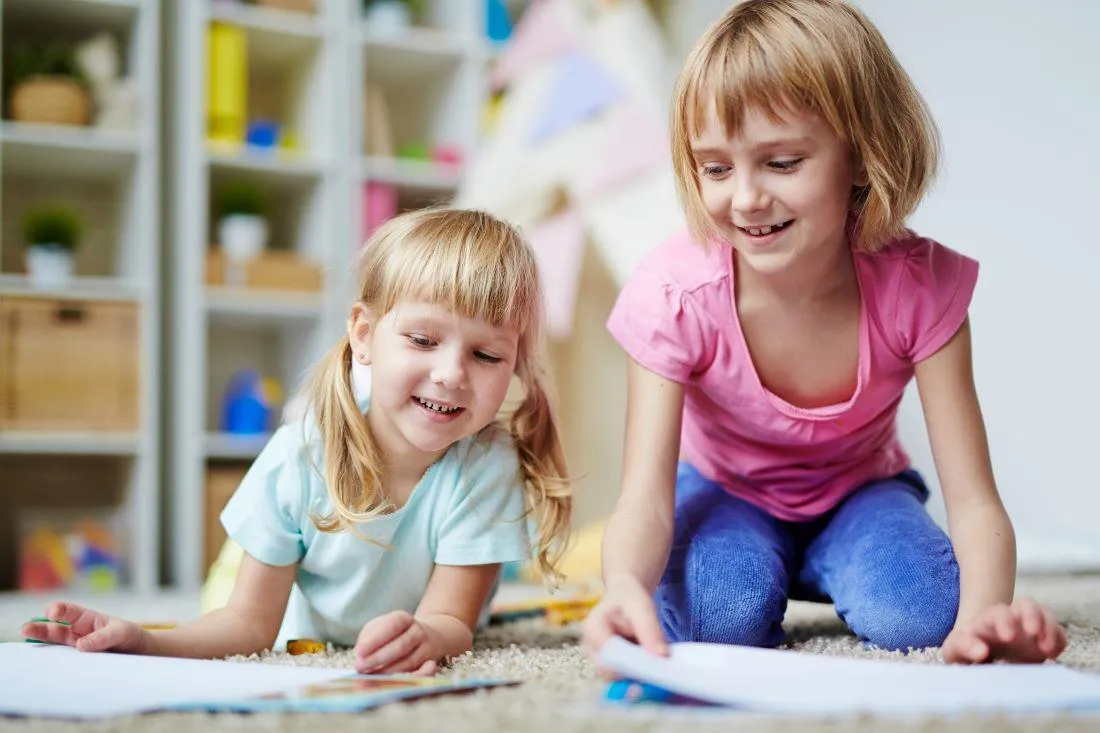
The Hidden Power of Teacher-Child Bonds in Early Learning
When parents search for a daycare or preschool, they often compare classrooms, safety measures, learning programs, and daily schedules. Those factors matter, but there is another element that can have an even greater impact on a child's experience: the relationship they build with their teacher.
Young children spend much of their day with the adults who care for them. These relationships influence how safe children feel, how confidently they explore, and how willing they are to engage with new learning experiences. A trusted teacher can help a child navigate challenges, build confidence, and develop a positive attitude toward learning.
In early childhood education, strong relationships are not simply a benefit. They are a foundation for healthy emotional, social, and cognitive development.
We'll explore why teacher-child relationships matter, how they influence learning and development, and what parents should look for when choosing an early learning environment.
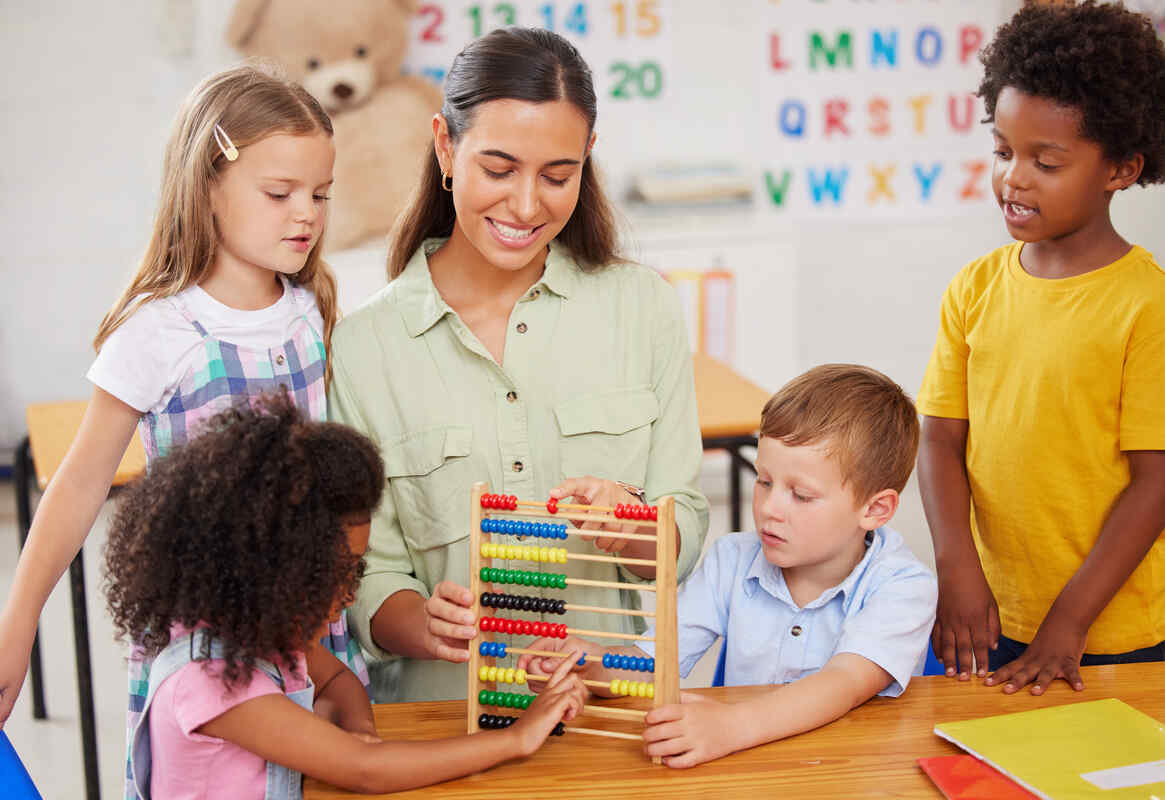
What Is a Teacher-Child Bond?
A teacher-child bond is the trusting relationship a child builds with the adult who cares for, guides, comforts, and teaches them during the day.
In early childhood, this relationship is deeply personal. A young child does not separate “learning” from “feeling.” They learn best when the adult near them feels safe, kind, steady, and interested in who they are.
That bond can show up in simple moments. A teacher remembers that your child likes to hold a favorite toy during morning transition. She notices when your child is quieter than usual. She celebrates a new word, gently helps during a hard goodbye, or sits nearby while your child works up the courage to join a group activity.
These moments may look small from the outside. To a child, they say, “I am safe here. Someone knows me.”
It Is More Than Being “Nice”
A strong teacher-child relationship is not just about being friendly. It is built through consistency, patience, attention, and emotional care.
Children need adults who respond warmly and predictably. They need teachers who can guide behavior without shame, comfort sadness without rushing it away, and encourage independence without forcing a child before they are ready.
In a healthy teacher-child relationship, the teacher becomes a secure point in the classroom. The child knows who to turn to for help. They know their feelings will be met with care. They know their efforts will be noticed.
That kind of connection gives children room to grow.
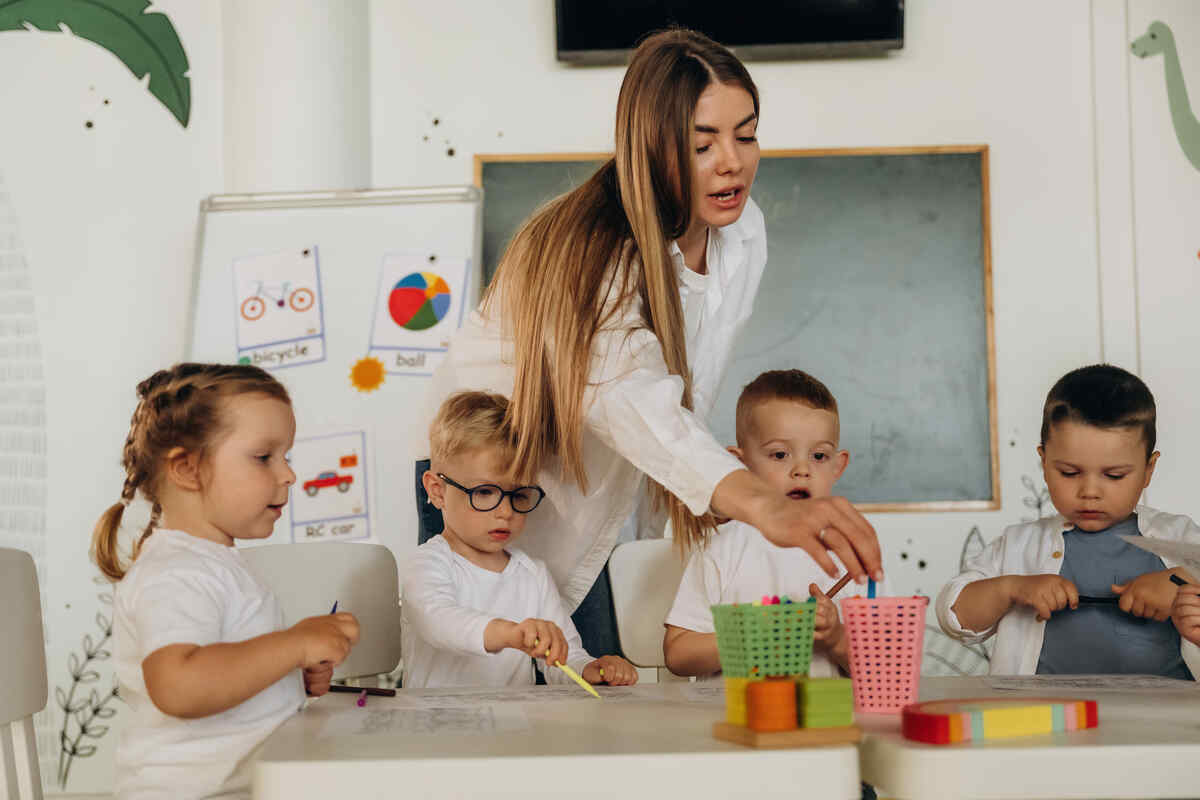
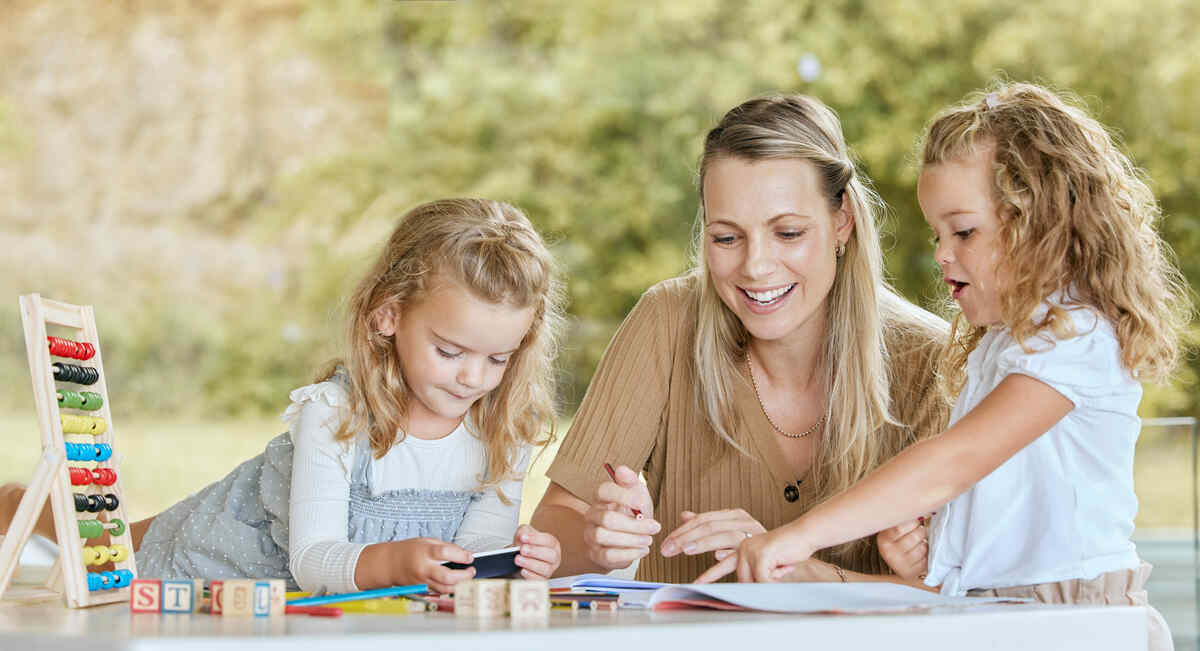
Why Teacher-Child Relationships Matter in Early Childhood Education
A child's early learning experience is shaped by more than lesson plans, classroom activities, and educational materials. At the center of it all is the relationship they build with the adults who care for them each day.
Young children learn through relationships. Before they can fully engage with new concepts, develop friendships, or build confidence in their abilities, they need to feel safe and supported in their environment. A strong teacher-child bond provides that foundation.
When children trust their teachers, they are more likely to participate in activities, ask questions, express their thoughts, and explore unfamiliar experiences. They feel comfortable seeking help when they face challenges and become more resilient when things do not go as planned.
These relationships also play an important role in emotional development. Through daily interactions with caring teachers, children learn how to recognize feelings, manage frustration, build confidence, and navigate social situations. They begin to understand empathy, cooperation, and effective communication by experiencing those behaviors firsthand.
The benefits extend into learning as well. Children who feel secure are often more engaged, curious, and willing to take healthy risks. Whether they are solving a puzzle, learning new vocabulary, or participating in group activities, emotional security helps them approach learning with confidence rather than fear of making mistakes.
This is why strong teacher-child relationships are often considered one of the most important factors in early childhood education. They create the emotional foundation that supports social growth, cognitive development, and a lifelong love of learning.
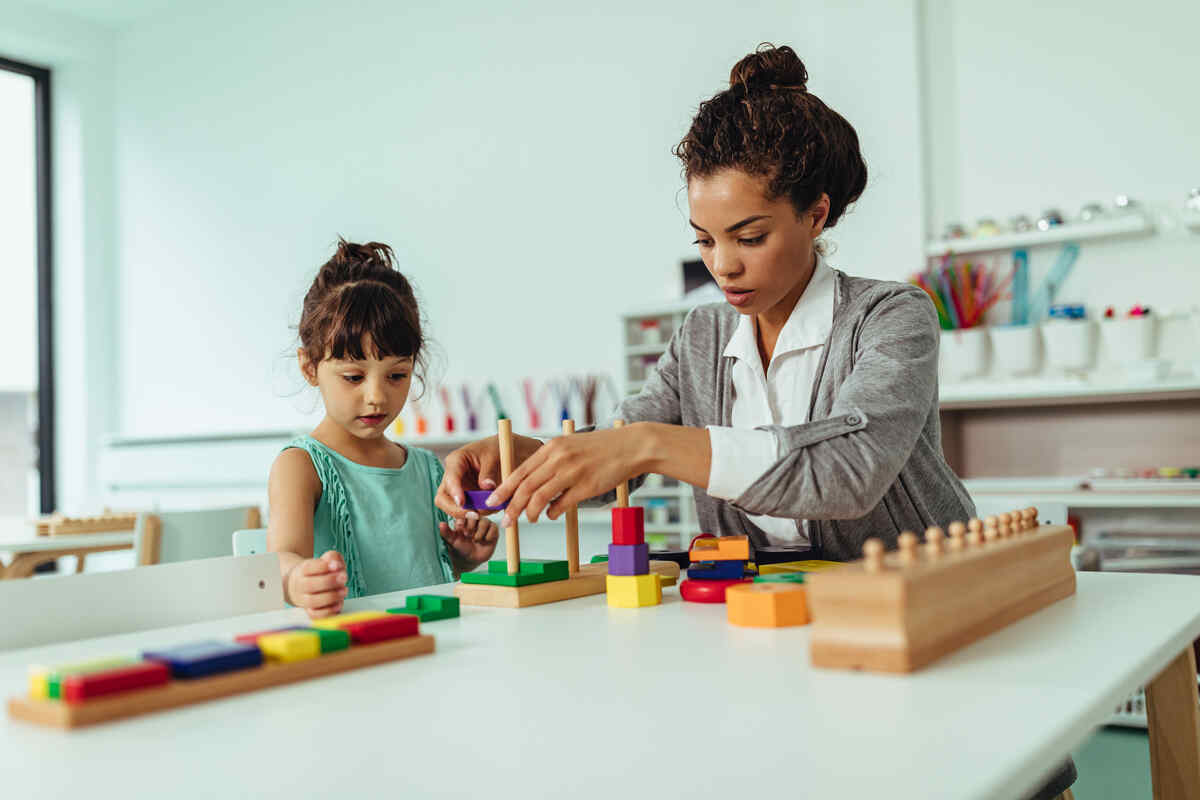
The Science Behind Responsive Caregiving
When parents think about child development, they often picture milestones such as first words, early reading skills, counting, or learning to share. What many people do not realize is that these abilities do not develop in isolation. They grow through thousands of daily interactions between children and the caring adults around them.
Developmental researchers often describe these interactions using the concept of responsive caregiving. While the term may sound technical, the idea is surprisingly simple. Children communicate through words, gestures, facial expressions, sounds, and behaviors. Responsive adults notice those signals and respond in meaningful ways. Over time, these repeated exchanges help children build trust, confidence, language, emotional regulation, and critical thinking skills.
This process is one of the most powerful forces in early childhood development because it influences both how children feel and how they learn.
Understanding the "Serve and Return" Process
A useful way to understand responsive caregiving is through the concept known as "serve and return." Imagine a tennis match. One player serves the ball, and the other player returns it. The game continues because both people stay engaged in the exchange.
Young children interact with adults in a similar way. A baby points at a bird outside the window. A teacher notices and says, "Yes, that's a bird. Look at its wings." A toddler brings over a toy truck. The teacher responds with curiosity and begins talking about where the truck might be going. A preschooler asks why leaves change color. Instead of dismissing the question, the teacher explores the answer together with the child.
Each of these moments may last only a few seconds, but together they create a powerful learning environment. Children learn that their thoughts matter. They learn that communication leads to connection. They learn that exploring the world is rewarding because someone is there to share the experience with them.
Over days, months, and years, these interactions become building blocks for healthy development.
What Responsive Caregiving Looks Like in a Classroom
Responsive caregiving is not a special activity that happens once a day. It is woven into nearly every interaction between teachers and children.
A responsive teacher notices when a child seems hesitant to join a group activity and offers gentle encouragement instead of pressure. They recognize when frustration is beginning to build and provide support before a small challenge becomes overwhelming. They celebrate effort, not just outcomes, helping children develop confidence in the learning process rather than focusing only on results.
Consider a child working on a puzzle that feels too difficult. An adult could simply solve the puzzle for them. A responsive teacher takes a different approach. They might sit nearby, offer encouragement, ask guiding questions, and help the child think through the challenge independently. The child experiences success, but they also develop persistence, problem-solving skills, and self-belief.
The same principle applies throughout the day. During story time, responsive teachers encourage questions and conversation. During outdoor play, they help children navigate social situations. During meals, they engage children in meaningful dialogue. Every interaction becomes an opportunity to strengthen both the relationship and the learning experience.
Why These Small Moments Matter So Much
From an adult perspective, many of these interactions appear ordinary. They happen quickly and often pass without much attention. For children, however, these moments carry tremendous meaning.
Every time a teacher responds with warmth, patience, and genuine interest, the child receives an important message: "You are important. Your ideas matter. You are safe here."
When children consistently receive that message, they become more willing to explore, communicate, ask questions, and take healthy risks. They develop stronger emotional regulation because they have experienced calm, supportive guidance during difficult moments. They build stronger language skills because meaningful conversations happen throughout the day. They develop confidence because trusted adults believe in their abilities.
This is why strong teacher-child relationships have such a lasting impact. The relationship itself becomes a vehicle for learning.
Long before children understand concepts like resilience, empathy, confidence, or curiosity, they experience them through daily interactions with caring adults. Those experiences shape how children approach learning, relationships, and challenges long after they leave the classroom.
In many ways, the most important developmental work in an early learning environment happens through these ordinary moments. A smile of encouragement. A comforting conversation. A shared discovery. A patient's response to a difficult emotion. Individually, they may seem small. Together, they help build the foundation for a child's future growth and success.
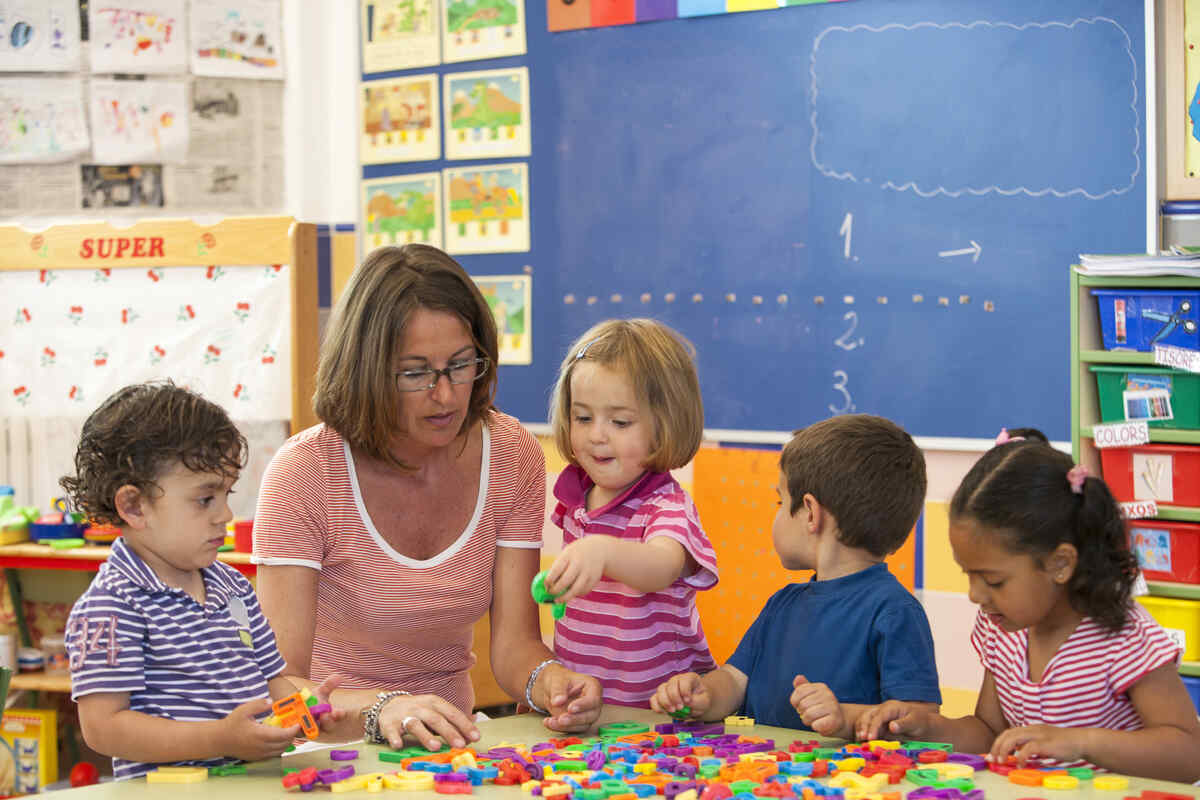
What Happens When a Child Feels Emotionally Safe?
Emotional safety is one of the most important foundations of early learning. When children feel secure, supported, and understood, they can focus less on uncertainty and more on exploring, learning, and building relationships.
A child who trusts their teacher is more likely to participate in activities, ask questions, try new things, and recover from setbacks. Instead of worrying about whether they belong, they can direct their energy toward growth and discovery.
Emotional Safety Makes Separation Easier
Drop-off can be challenging, especially for younger children. A strong relationship with a trusted teacher helps children feel confident that they will be cared for even when their parents are not present.
Over time, warm greetings, consistent routines, and reassuring interactions help children adjust to the classroom and approach each day with greater confidence.
Emotional Safety Encourages Exploration
Children learn best when they feel comfortable taking risks. Whether it is joining a new activity, speaking in front of a group, or attempting a difficult task, confidence grows when children know support is available.
When mistakes are met with patience and encouragement rather than criticism, children become more willing to explore, experiment, and learn from experience.
Emotional Safety Supports Independence
Many parents worry that too much comfort might make children dependent. In reality, secure relationships often have the opposite effect.
When children know a trusted adult is available when needed, they feel more confident exploring on their own. That sense of security becomes the foundation for resilience, self-confidence, and independence.
A nurturing teacher-child relationship does not hold children back. It gives them the confidence to move forward.
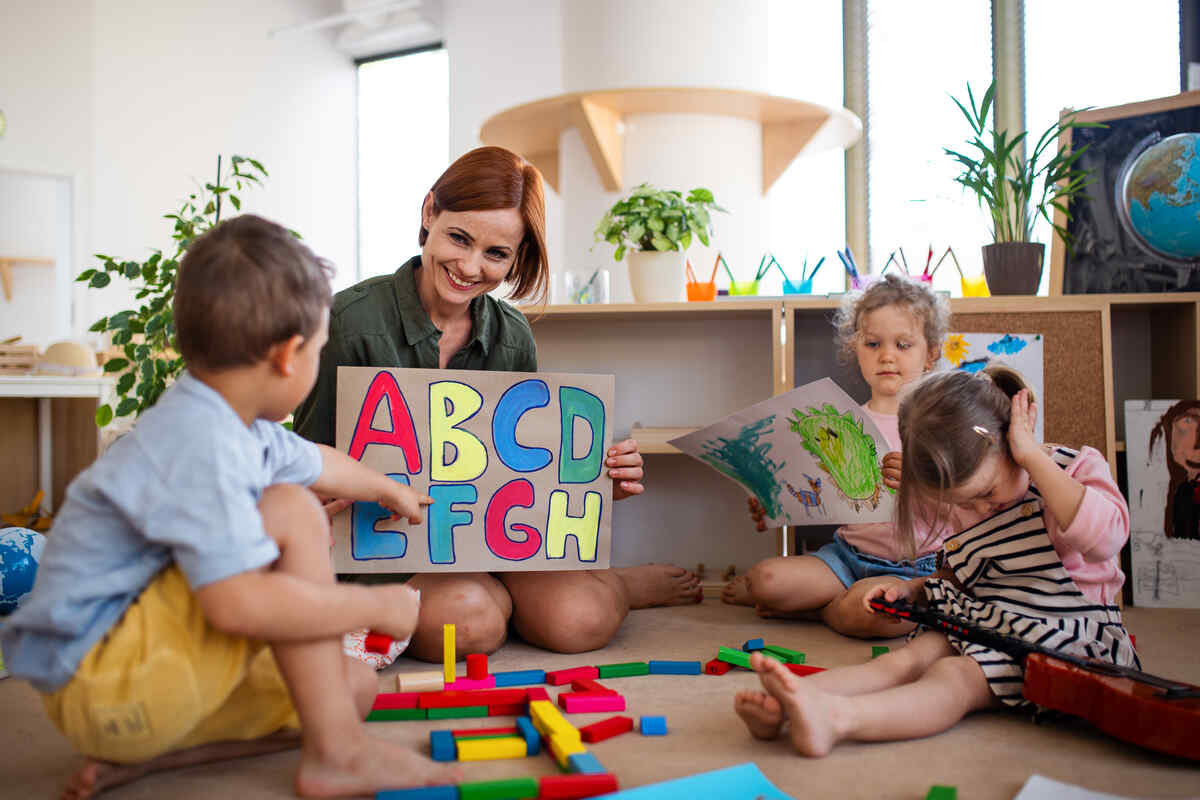
How Teacher-Child Bonds Support Play-Based Learning
Play is often one of the first things parents notice in an early learning environment. Children are building with blocks, pretending to run a restaurant, painting pictures, singing songs, or exploring outdoors. At first glance, it can look like simple fun.
In reality, play is one of the most effective ways young children learn.
Through play, children develop language, problem-solving abilities, creativity, social skills, and emotional regulation. They learn how to negotiate, collaborate, experiment, and make sense of the world around them. However, the quality of that learning is often shaped by the relationships surrounding it.
A Trusted Teacher Makes Play More Meaningful
Children engage more deeply in play when they feel safe and supported. A strong teacher-child bond creates the confidence children need to explore new ideas, take healthy risks, and stay engaged when challenges arise.
Imagine a group of children building a tower with blocks. A trusted teacher doesn't take over the activity or provide all the answers. Instead, they ask questions, encourage problem-solving, and help children think through obstacles. The children remain in control of the play while receiving guidance that expands their learning.
This type of interaction transforms a simple activity into an opportunity for growth.
Relationships Turn Everyday Play Into Learning Opportunities
The most valuable learning moments often happen during ordinary play experiences. A pretend grocery store becomes a chance to practice communication and early math skills. A puzzle becomes an opportunity to build persistence and critical thinking. A group game becomes a lesson in cooperation, patience, and empathy.
When teachers know their children well, they can recognize these moments and respond in ways that deepen learning. They understand when to encourage, when to challenge, and when to simply observe. That balance is difficult to achieve without a strong relationship.
Play Helps Strengthen the Bond
The connection works both ways. While positive relationships enhance play, play also strengthens relationships. As teachers join children in conversations, games, stories, and creative activities, they learn more about each child's personality, interests, strengths, and needs. Children, in turn, develop trust through these shared experiences.
Over time, these everyday interactions create a classroom environment where children feel seen, valued, and excited to learn.
This is one reason play-based learning is so powerful. It supports not only cognitive development but also the meaningful relationships that help children thrive.
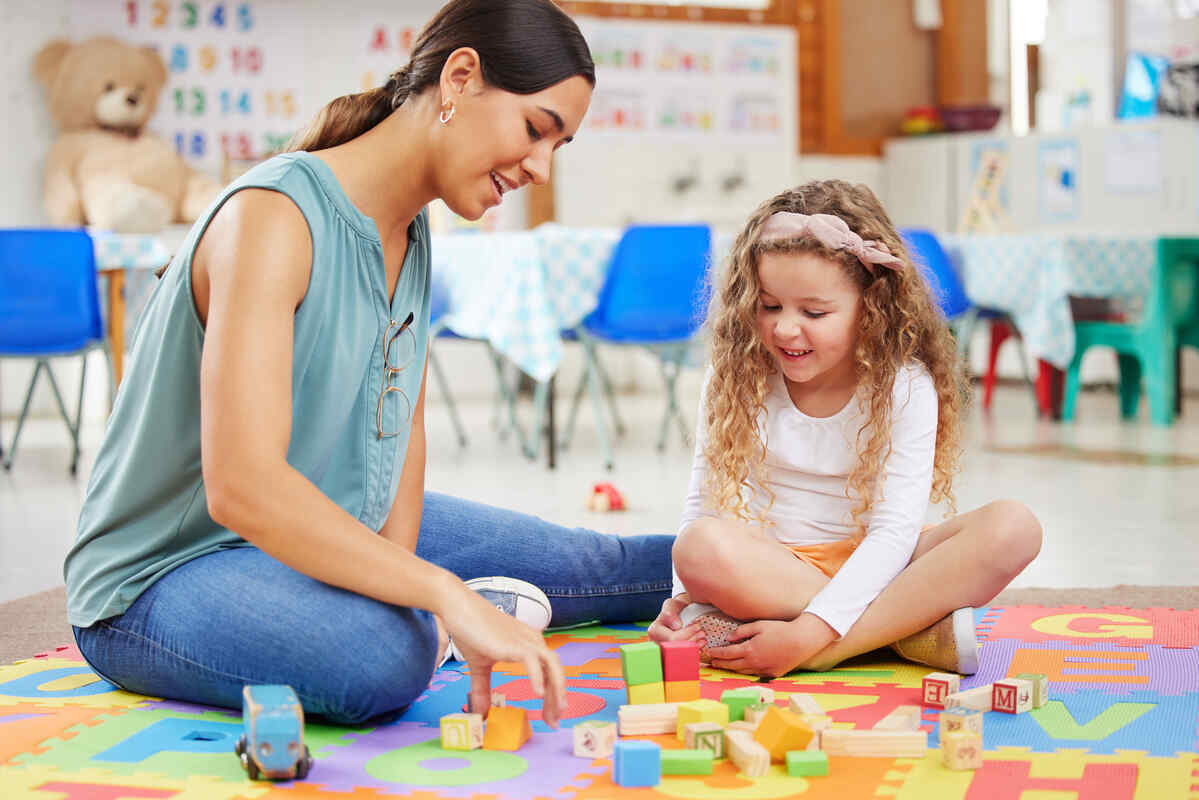
What Parents Should Look For in a Strong Teacher-Child Relationship
When touring a daycare or preschool, parents often focus on visible factors such as cleanliness, safety procedures, classroom materials, and daily schedules. These elements are important, but they only tell part of the story. The quality of the relationships inside the classroom can have an even greater impact on a child's experience. While teacher-child bonds are not always easy to measure, several signs indicate a nurturing and supportive environment.
Teachers Greet Children as Individuals
Strong relationships begin with recognition. Pay attention to how teachers welcome children into the classroom. Do they greet them by name? Do they notice their mood? Do they take time to help children settle into the day?
A child who feels recognized and valued from the moment they arrive is more likely to feel secure and connected throughout the day.
Teachers Notice More Than Behavior
Great teachers look beyond what children do and try to understand why they are doing it. For example, a child who seems withdrawn may be feeling tired, overwhelmed, or anxious. A child who becomes frustrated easily may simply need encouragement or support with a challenging task.
When teachers understand the emotions behind behavior, they can respond with patience and empathy rather than frustration. This helps children feel understood and supported.
Children Naturally Seek Out Their Teachers
One of the clearest signs of a healthy teacher-child bond is observing where children go when they need help, comfort, or reassurance.
In a nurturing classroom, children often approach teachers to share achievements, ask questions, seek comfort after a disappointment, or simply engage in conversation. These interactions demonstrate trust and emotional security.
Communication Feels Personal and Meaningful
Parents should also pay attention to how teachers communicate. A strong relationship-focused environment goes beyond generic updates. Teachers share specific observations about a child's experiences, interests, accomplishments, and social interactions throughout the day.
Comments such as "She helped a friend clean up after an activity today," or "He was excited to tell everyone about his family vacation," reveal that teachers are truly paying attention to each child as an individual.
The Classroom Feels Warm and Engaged
Every classroom has its own personality, but strong teacher-child relationships often create a similar atmosphere. The environment feels welcoming, calm, and purposeful. Children appear comfortable interacting with teachers and peers. Teachers engage with children at their level, listen attentively, and participate in conversations rather than simply supervising from a distance.
You can often sense the difference within minutes of walking into the room. When positive relationships are at the center of the learning environment, children tend to appear confident, engaged, and genuinely happy to be there.
Why Parent-Teacher Partnership Strengthens the Bond
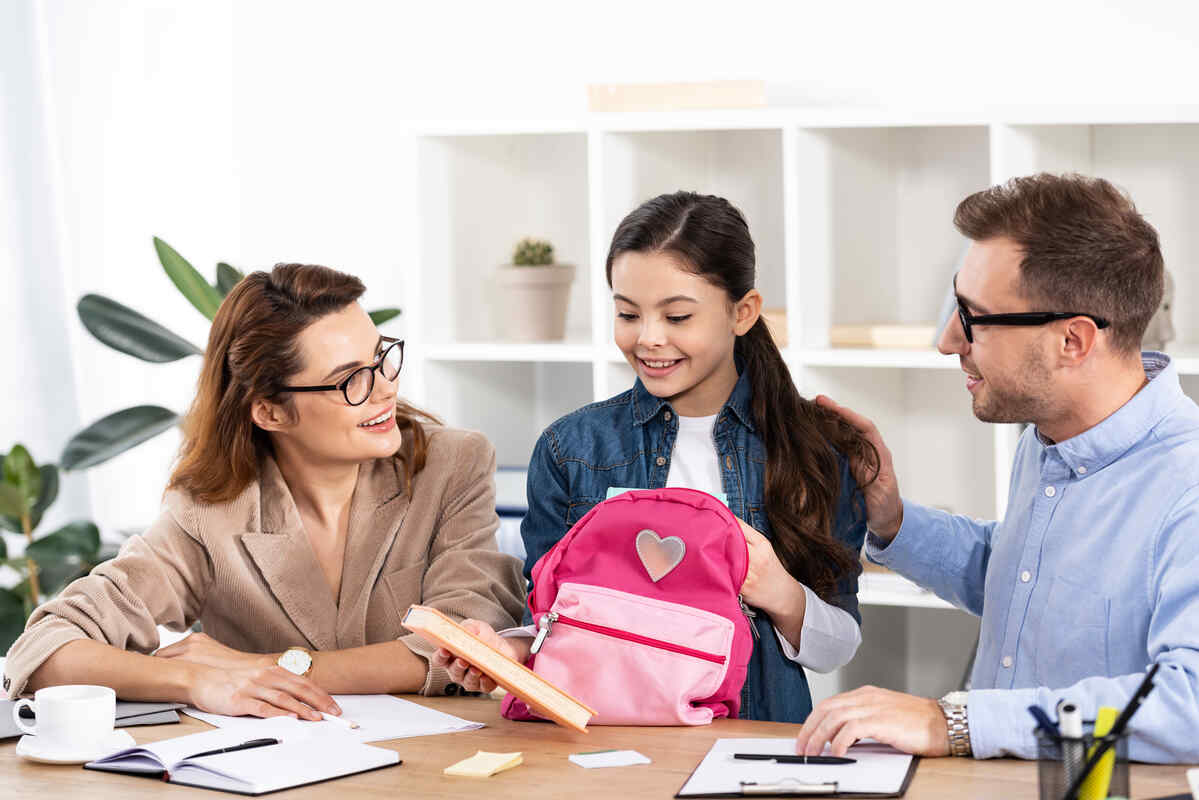
A strong teacher-child relationship does not develop in isolation. It becomes even stronger when parents and teachers work together as partners.
Children benefit when the important adults in their lives share information, communicate openly, and support the same developmental goals. This partnership creates consistency between home and school, helping children feel more secure and understood.
Communication Builds Trust
Parents know their child's personality, routines, interests, and challenges better than anyone else. Teachers bring a different perspective by observing how children interact, learn, and socialize throughout the day.
When this information is shared regularly, both parents and teachers gain a deeper understanding of the child. Small insights can make a big difference, whether it is understanding a new interest, navigating a developmental stage, or supporting a child's emotional needs.
Consistency Helps Children Thrive
Children feel more confident when expectations and support are aligned across home and school.
For example, if a child is learning to express feelings with words, teachers and parents can reinforce the same approach in both environments. This consistency helps children develop skills more quickly and reduces confusion.
Parents Feel More Connected to Their Child's Day
For many working parents, one of the hardest parts of childcare is not knowing exactly what happens during the day. Meaningful communication helps bridge that gap. Updates about a child's experiences, accomplishments, friendships, and learning moments allow parents to stay connected even when they cannot be physically present.
This ongoing partnership strengthens trust between families and educators while creating a more supportive experience for the child. When parents and teachers work together, children receive a powerful message: the people who care about them are working as a team to help them grow.
The Relationships That Shape a Lifetime of Learning
When parents evaluate childcare options, it is easy to focus on visible features such as classrooms, learning materials, safety measures, and daily schedules. While these factors certainly matter, the experiences that often leave the deepest impact are the relationships children build each day.
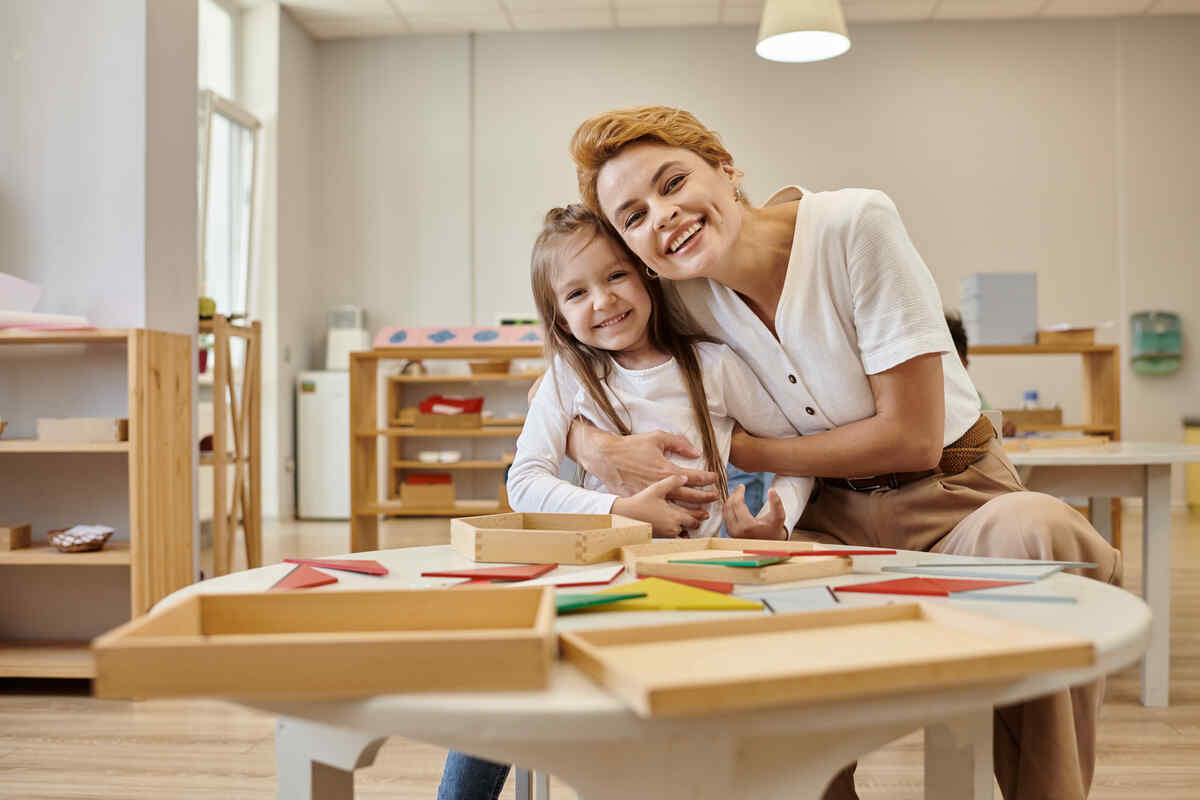
A trusted teacher helps a child feel safe in a new environment, navigate challenges, build confidence, and develop a positive attitude toward learning. Through countless everyday interactions, these relationships support emotional well-being, social growth, communication skills, and school readiness.
The strongest early learning environments recognize that education and connection go hand in hand. Children learn best when they feel seen, valued, and supported by the adults who care for them.
At Sugar N Spice Day Care & Kindergarten, nurturing relationships are part of the foundation of every child's experience. Through compassionate care, meaningful interactions, and play-based learning, children are encouraged to grow not only academically but also emotionally and socially.
If you'd like to learn more about how early learning environments support children's growth and development, explore our guide to how early learning centers shape child development. Because long before children remember the lessons they learned, they often remember how the people around them made them feel. And those feelings can shape a lifelong love of learning.

Kent Marshall
Owner of SNS Day Care & Kindergarten, LLC
Enroll Your Child Today
Sugar N Spice Day Care & Kindergarten is proudly accepting new enrollees. Call our day care center today to hear more about our early childhood education opportunities or to schedule a tour.

2026 © Sugar N Spice Day Care & Kindergarten, LLC, All rights reserve
Privacy Policy | Terms and Conditions
Powered by Kyrios Systems