
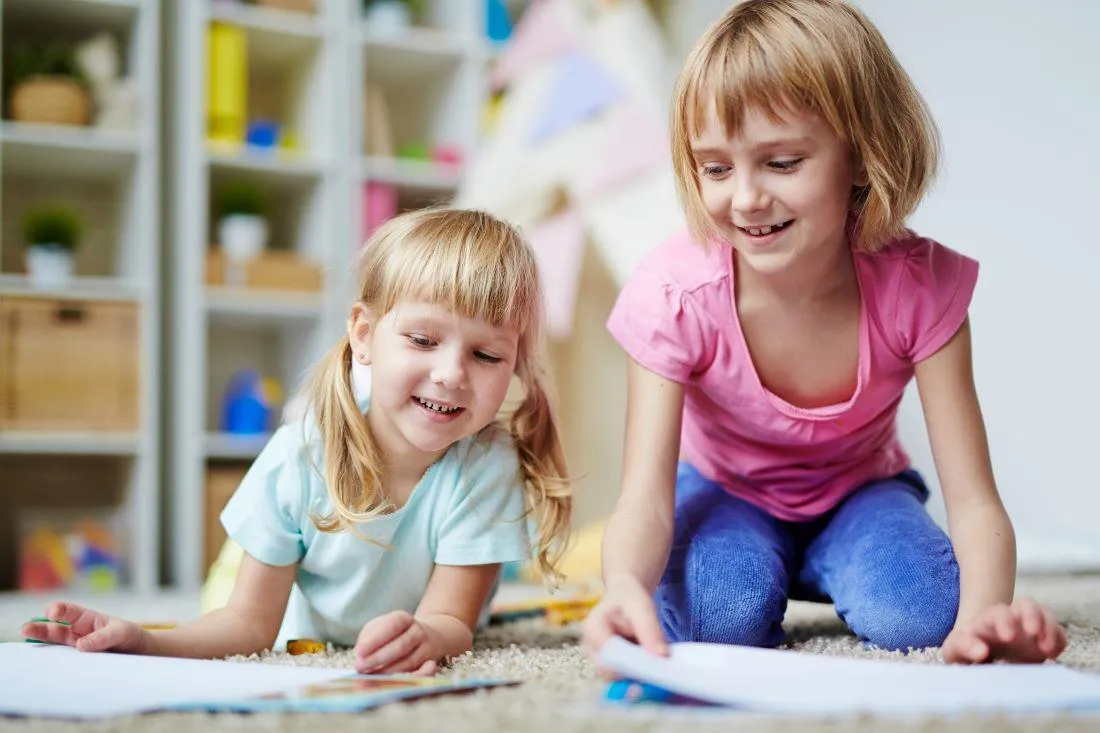
Family Owned and Operated
for 40+years
At Sugar N Spice Daycare and Kindergarten, we recognize that every child is different. Because of this, we go above and beyond to ensure your child receives one-on-one assistance in all early learning activities. We also have an open-door policy for all early learning programs, which means that our phenomenal teachers will keep you updated on your child’s achievements and milestones every step of the way.
CLASSES
Our classes are carefully crafted to meet the development needs of the each and every child. Our educators and support staff are dedicated and thoroughly trained.
Infant Care
Learn more about our infant day care. Under our care, your child will not only develop crucial life skills but also receive the dietary and lifestyle changes needed to stay happy and healthy.
Early Learning
Discover why early learning programs are so important for your child. Whether your child is 6-weeks-old or just entering kindergarten, there’s a place for them at our child care center.
Preschool
Prepare your child for school by enrolling them in a preschool education program. We follow Alabama’s state guidelines to ensure your child for kindergarten readiness
MEET THE TEACHERS
“Our children are our living letters to the world.”- Margaret Mead
Stay in the know with
Our Blogs and Resources
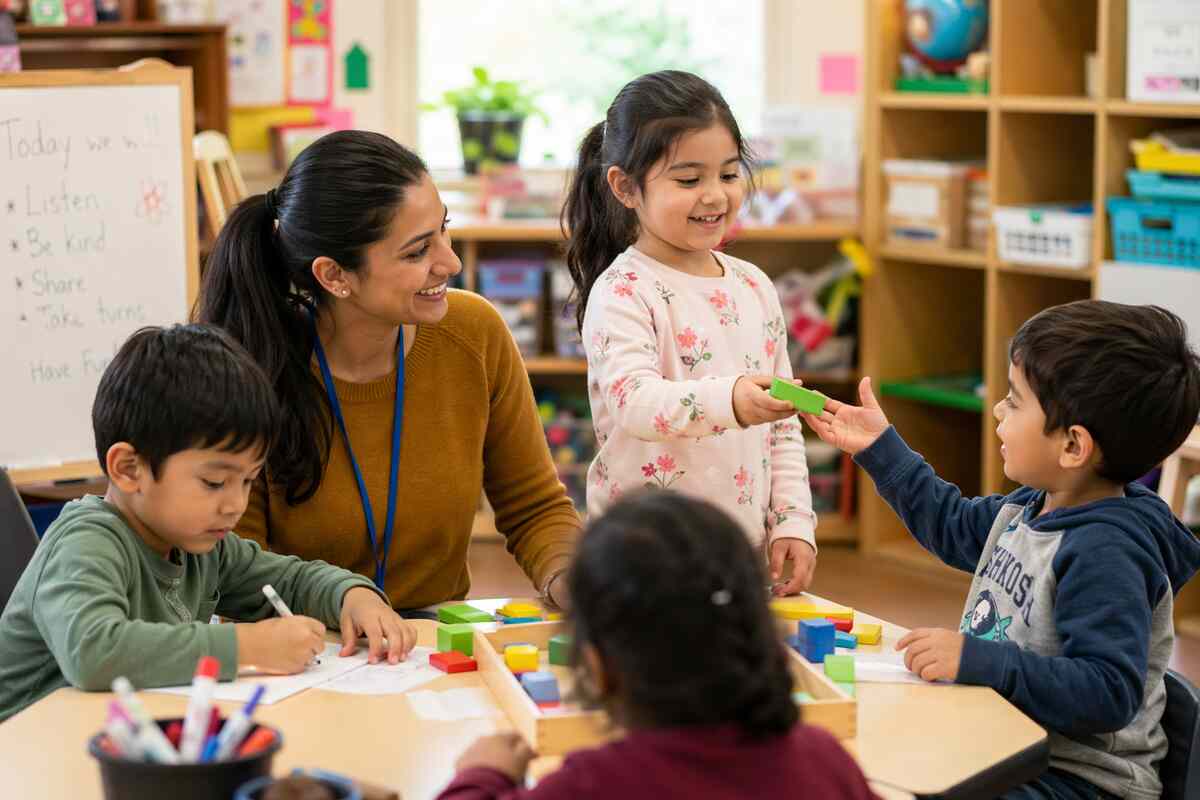
3 Key Skills Every Child Should Build Before Kindergarten
It usually shows up in small moments.
You’re watching your child play, and something feels… uncertain. Maybe they get frustrated quickly. Maybe they avoid other kids. Maybe they struggle to follow simple instructions. Nothing dramatic. Nothing alarming. But enough to make you pause. And then the question slips in quietly:
“Are they ready for kindergarten?”
Most parents assume readiness means knowing letters, numbers, and maybe writing their name. That’s what checklists say. That’s what people talk about. But here’s what often gets missed. A child can count to 20 and still struggle to sit in a group. They can recognize letters and still feel overwhelmed in a classroom.
They can be “ahead” academically and still fall behind socially or emotionally. Real readiness looks different. It’s not just about what your child knows. It’s about how they handle new situations, how they connect with others, and how they respond when things don’t go their way.
Because the truth is, kindergarten isn’t just an academic environment. It’s a social and emotional one. It asks children to listen, wait, adapt, express themselves, and feel safe in a space that’s bigger than home. That’s why the most important skills before kindergarten aren’t always the obvious ones. They’re the ones that shape how your child learns, not just what they learn.
In this guide, we’ll walk through three core skills that matter most. Not in theory, but in real, everyday classroom life. The kind that builds confidence, independence, and a genuine love of learning from the very beginning.
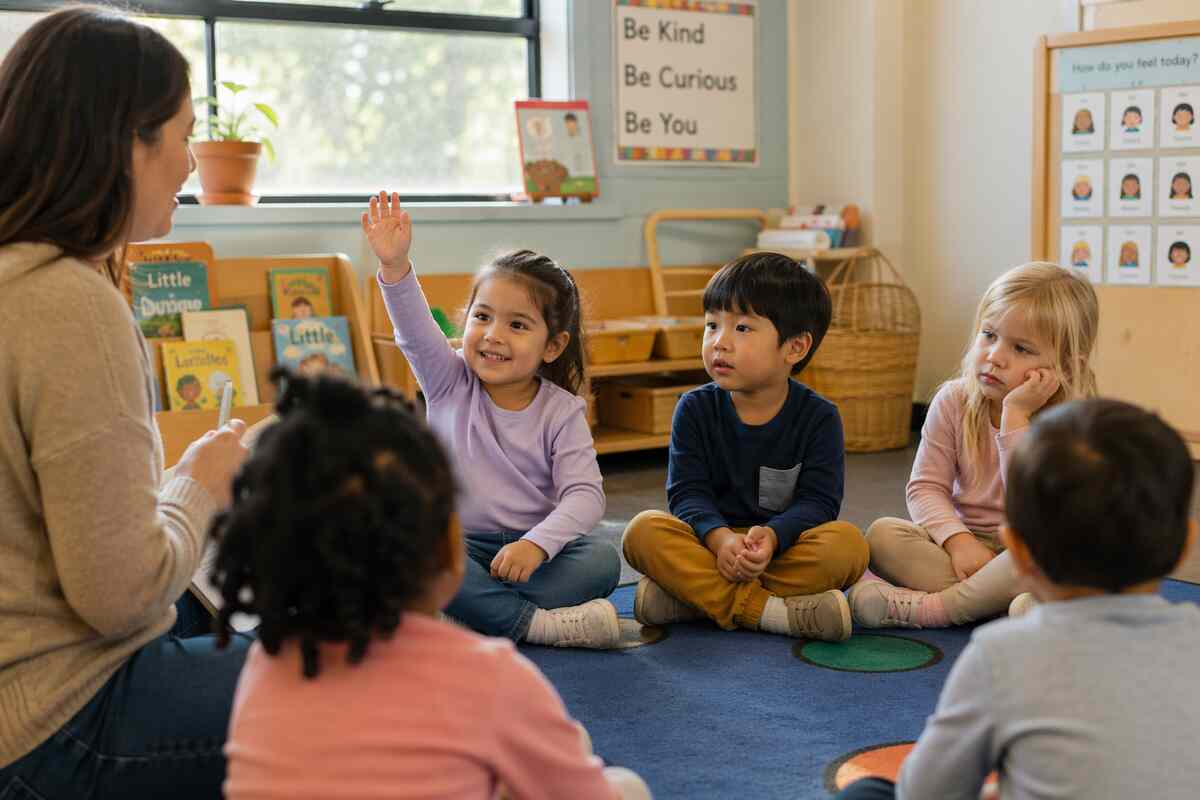
What “Kindergarten Readiness” Really Means Today
Most parents picture a checklist.
Can your child count to 10?
Do they know their ABCs?
Can they write their name?
Those things feel measurable. Clear. Easy to track.
But here’s where many parents get blindsided.
A child can check every academic box… and still struggle the moment they walk into a real classroom.
Because kindergarten doesn’t run on worksheets. It runs on interaction.
Your child is expected to:
Sit with a group
Listen and follow directions
Wait their turn
Handle frustration
Ask for help
Build relationships with other children
That’s a very different skill set. This is why early childhood experts have shifted the focus away from pure academics. What matters most is how your child shows up in a learning environment, not just what they know.
At Sugar N Spice, this is exactly how development is approached. Growth isn’t just academic. It’s emotional, social, and cognitive, all working together. Because when those pieces are in place, learning becomes natural. Here’s a simple way to see the difference:
One child can recite numbers but shuts down when things don’t go their way
Another child may not count as high, but can stay calm, ask for help, and stay engaged
Which one is truly ready to learn? The second child. Confidence, adaptability, and emotional safety drive everything that happens next. This doesn’t mean academics don’t matter. They do. But they only stick when the foundation is strong. And that foundation is built long before a child ever picks up a pencil.
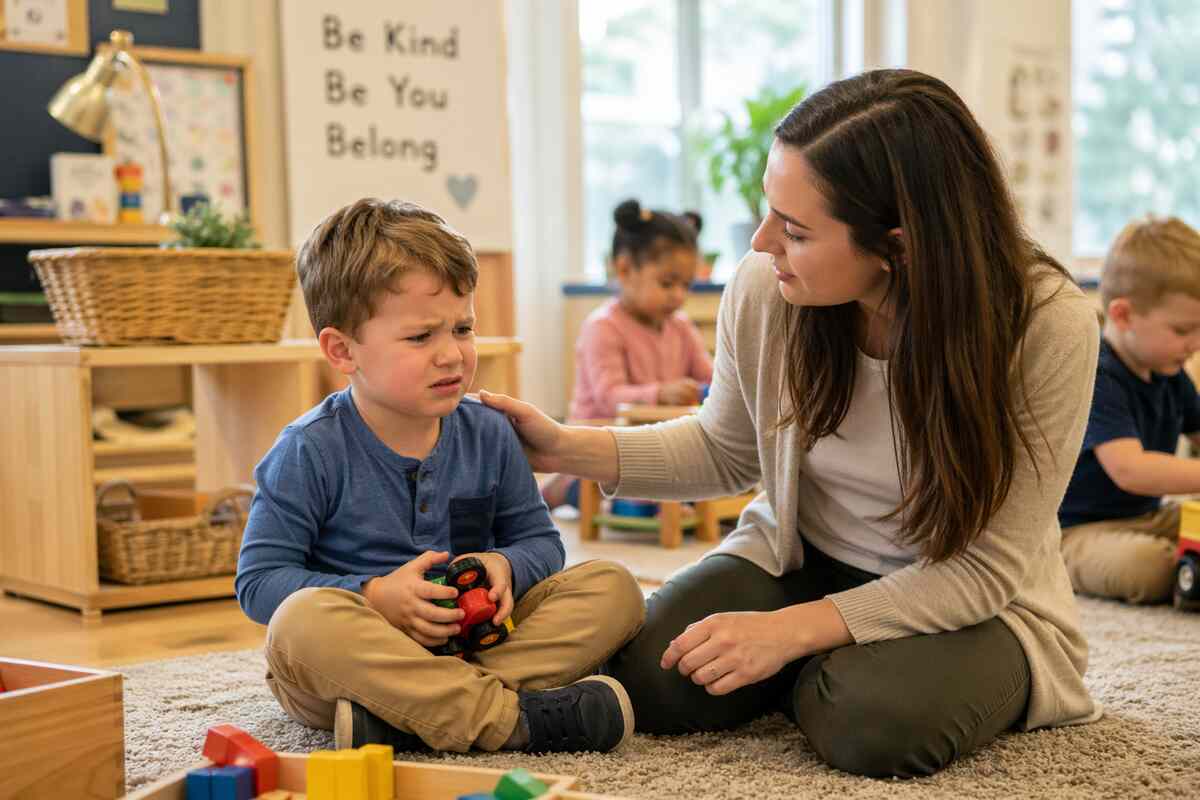
Skill #1: Emotional Regulation
Picture this.
It’s circle time. The teacher asks everyone to sit down. One child refuses. Another starts crying because they didn’t get the toy they wanted. A third gets frustrated and walks away.
This isn’t bad behavior.
This is a child who hasn’t learned how to handle big feelings yet.
What Emotional Regulation Really Means
Emotional regulation is simple in theory.
It’s your child’s ability to:
Handle frustration
Calm themselves down
Express feelings without shutting down or acting out
Not perfectly. Not every time. But enough to stay engaged instead of overwhelmed.
Why It Matters More Than You Think
A classroom is full of small challenges. Waiting your turn. Sharing attention. Hearing “not right now.” Trying something new and getting it wrong. For a child, these moments feel big. If they can’t manage those feelings, learning stops. They may:
Avoid participating
Become easily frustrated
Rely heavily on adults to step in
But when a child can regulate emotions, something shifts. They stay in the moment. They try again. They build confidence from small wins. That’s where real learning begins.
What Happens When This Skill Is Missing
This is where many parents start to worry. You might notice:
Frequent meltdowns over small things
Difficulty transitioning between activities
Trouble playing with other children
Quick frustration when something feels hard
It creates a cycle. The child feels overwhelmed. They pull back or act out. They miss opportunities to engage. Confidence drops. And over time, that gap grows.
How You Can Support This at Home
You don’t need perfect systems. You need small, consistent moments. Start here:
1. Name the feeling
When your child is upset, say it clearly:
“I see you’re frustrated.”
This helps them recognize what’s happening inside.
2. Normalize the emotion
Let them know it’s okay to feel upset. What matters is how they respond.
3. Practice calm-down routines
Simple actions work:
Take deep breaths together
Sit quietly for a moment
Step away and reset
4. Build patience in everyday life
Waiting for a snack. Taking turns during play. These small moments train emotional control.
The Bigger Picture
Emotional regulation isn’t about stopping emotions. It’s about helping your child move through them without getting stuck. When a child learns this early, everything else becomes easier:
Social interactions
Classroom participation
Confidence in new situations
And most importantly, they start to feel: “I can handle this.” That belief changes everything.

Skill #2: Social Confidence & Interaction
The first few days of kindergarten can feel very different for a child.
Some walk in, find a group, and start playing.
Others stand back. Quiet. Watching. Unsure how to step in.
It’s not about personality.
It’s about whether they know how to connect.
What Social Confidence Really Means
Social confidence isn’t about being outgoing.
It’s about your child feeling comfortable enough to:
Join a group
Start or respond to conversations
Share and take turns
Express needs clearly
It’s the difference between wanting to play… and actually being able to step in and say:
“Can I play too?”
Why This Skill Matters in the Classroom
Kindergarten is built around interaction. Group activities. Partner work. Shared play. Listening and responding. A child who can navigate these moments:
Builds friendships faster
Feels like they belong
Participates more in learning
And that sense of belonging matters more than most parents expect. Because when a child feels included, they engage. When they engage, they learn.
What Happens When This Skill Is Missing
This is often where quiet struggles begin.
You might notice:
Hesitation to join other children
Difficulty sharing or taking turns
Avoiding group activities
Relying on adults to speak or step in
Over time, this can turn into:
Social anxiety
Feeling left out
Reduced participation in class
And here’s the part many parents don’t see right away. It’s not just about making friends. It starts affecting confidence in everything else.
How You Can Support This at Home
Social skills don’t come from instruction alone. They grow through experience. Here’s how to build them naturally:
1. Create small social opportunities
Playdates. Group activities. Even short interactions matter. Keep them low-pressure and consistent.
2. Practice simple phrases
Give your child the words they need:
“Can I play?”
“My turn?”
“Let’s do this together”
These small tools make a big difference in real moments.
3. Role-play common situations
Act out:
Joining a game
Sharing a toy
Asking for help
It builds familiarity before real situations happen.
4. Encourage independence in interaction
Instead of stepping in right away, give your child space to try, even if it’s imperfect. That’s where confidence grows.
The Bigger Picture
Social confidence shapes how your child experiences school. Not just academically, but emotionally. When a child can connect, communicate, and feel included, they don’t just “get through” the day. They enjoy it. And that enjoyment fuels everything else:
Curiosity
Participation
Willingness to try new things
At its core, this skill helps your child feel:
“I belong here.”
And once that belief is in place, learning becomes something they move toward, not away from.
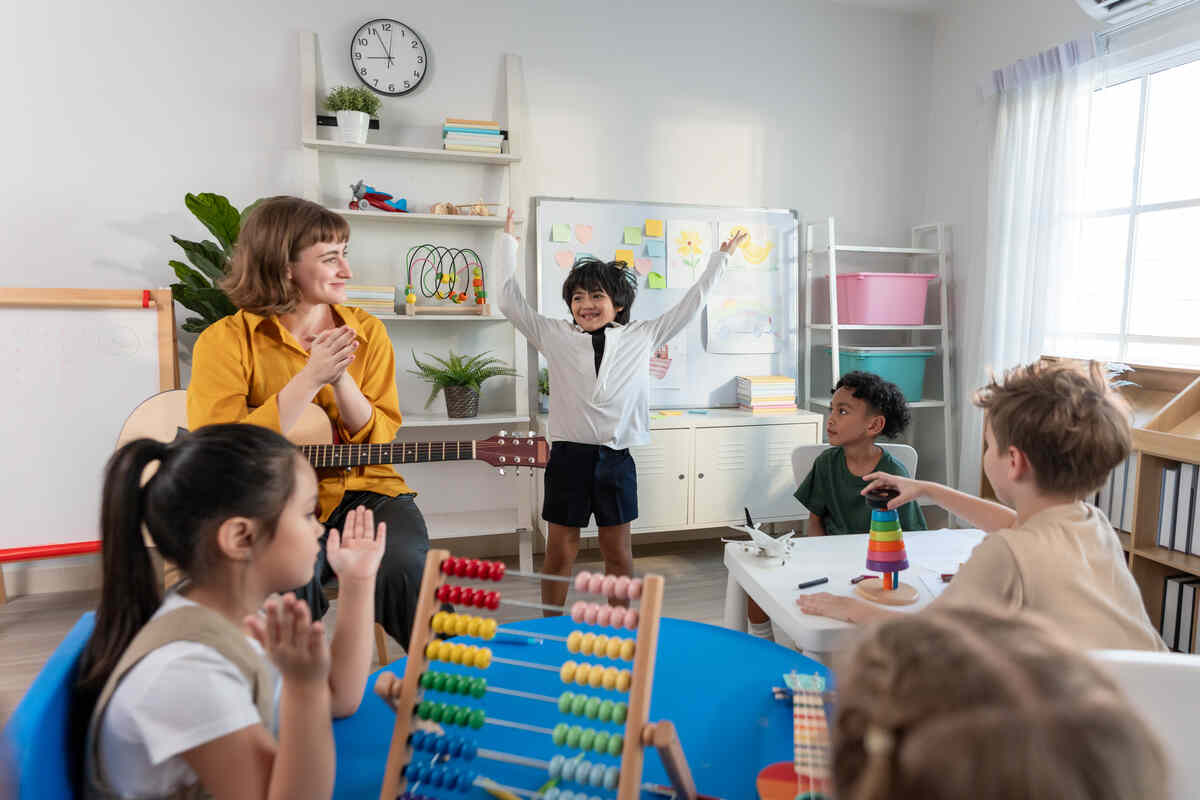
Skill #3: Independence & Focus
Now imagine a different moment.
The teacher gives a simple instruction:
“Put your bag away and come sit on the mat.”
One child does it without thinking.
Another stands still, unsure what to do next.
A third starts, gets distracted, and never finishes.
This isn’t about intelligence.
It’s about independence and focus.
What Independence & Focus Really Mean
This skill is your child’s ability to:
Follow simple directions
Start and complete small tasks
Stay engaged long enough to finish something
Do basic things without constant help
It’s not about perfection. It’s about your child being able to move through their day with a sense of control.
Why It Matters in the Classroom
Kindergarten has structure. There are routines to follow. Instructions to listen to. Tasks to complete. Teachers guide the group, not just one child at a time. So when a child can:
Listen once and act
Stay with an activity
Try before asking for help
They keep up with the flow of the class. And that creates momentum. They feel capable. They stay engaged. They build confidence through action.
What Happens When This Skill Is Missing
This is where frustration builds quietly. You might notice:
Constant need for reminders
Starting tasks but not finishing
Getting distracted easily
Relying on adults for simple things
Over time, this leads to:
Falling behind during group activities
Feeling “slower” than others
Losing confidence in their abilities
And here’s the part that matters most. It’s not that the child can’t do it. It’s that they haven’t built the habit yet.
How You Can Support This at Home
This skill grows through small, everyday responsibility. Start simple:
1. Give clear, one-step instructions
“Put your shoes by the door.”
Let them complete it before adding more.
2. Create small responsibilities
Putting toys away
Carrying their own bag
Helping with simple tasks
These moments build ownership.
3. Limit over-helping
It’s tempting to step in quickly. But pause. Let them try first. That effort builds independence.
4. Build focus through short activities
Puzzles. Drawing. Building blocks. Even 5–10 minutes of focused play matters.
The Bigger Picture
Independence and focus change how your child experiences learning. Instead of waiting for help, they try. Instead of giving up, they stay with it. Instead of feeling lost, they feel capable. And that leads to a powerful shift:
“I can do this on my own.”
That belief carries into everything:
Schoolwork
Social situations
Problem-solving
It’s one of the strongest foundations you can give your child before they ever step into a classroom.
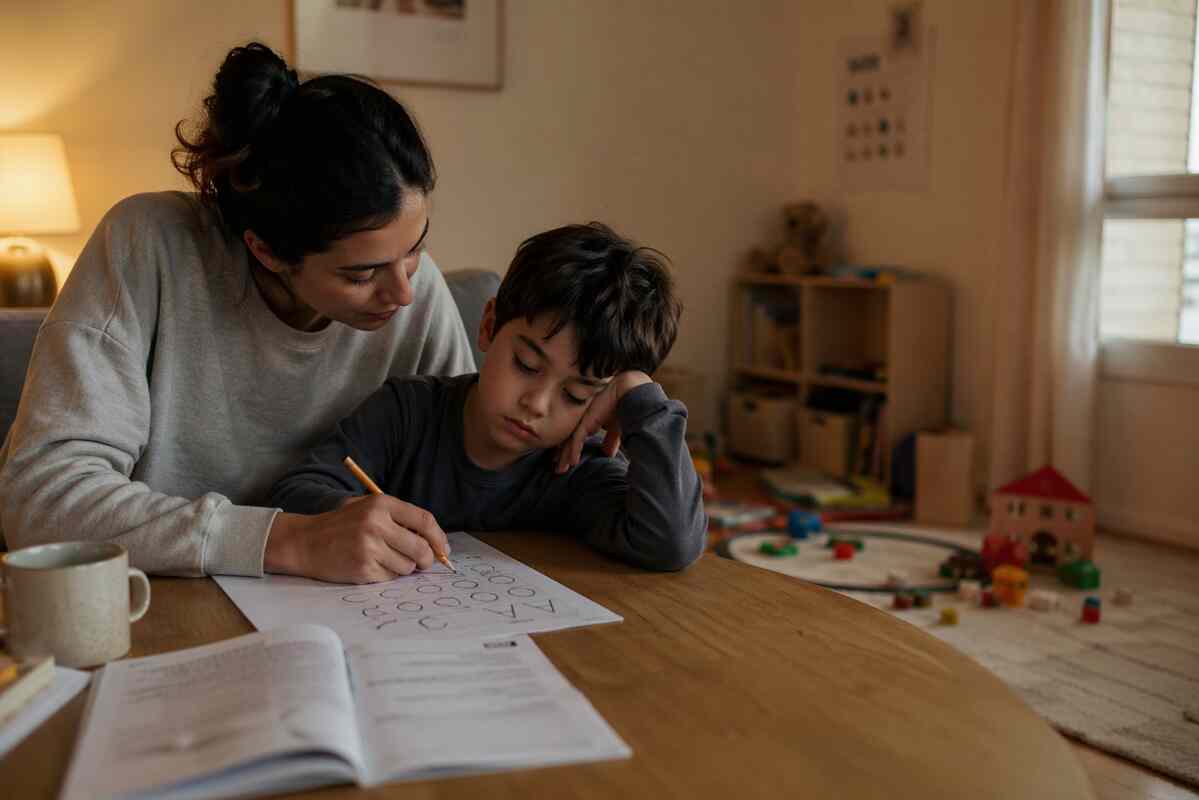
The Common Mistake Most Parents Make
This is where a lot of well-meaning parents get pulled in the wrong direction.
They focus on what looks impressive.
Counting.
Letter recognition.
Writing names.
Flash cards.
Workbooks.
Those things feel productive. They give you something you can point to and say, “Look, my child knows this.”
But they can also create a false sense of readiness. Because a child who knows the alphabet can still struggle to:
Separate confidently from a parent
Handle frustration
Join a group
Follow routines
Stay engaged when something feels hard
And those are the moments that shape their early school experience. This is the mistake. Parents prepare for kindergarten like it’s mainly academic, when in reality, the biggest challenges are often emotional, social, and behavioral. That doesn’t mean academics don’t matter. They do. But academics are easier to build when the deeper foundation is already there.
A child who feels safe, connected, and capable will learn faster than a child who feels anxious, overwhelmed, or unsure of themselves. That’s why “smart” and “ready” are not always the same thing. A child can be bright and still struggle in a classroom. A child can be behind on worksheets and still be beautifully prepared to thrive. That distinction matters. Especially for parents already carrying quiet pressure.
The ones wondering if they should be doing more. Teaching more. Pushing more. The answer usually isn’t more pressure. It’s better to focus. Focus on the skills that help your child adapt, connect, and grow with confidence. That’s the kind of readiness that lasts. And if your child is still developing these skills, that does not mean they’re behind. It means they’re growing. That’s normal. Healthy, even. Children don’t need to be perfect before kindergarten. They need support, consistency, and the right environment to keep building.
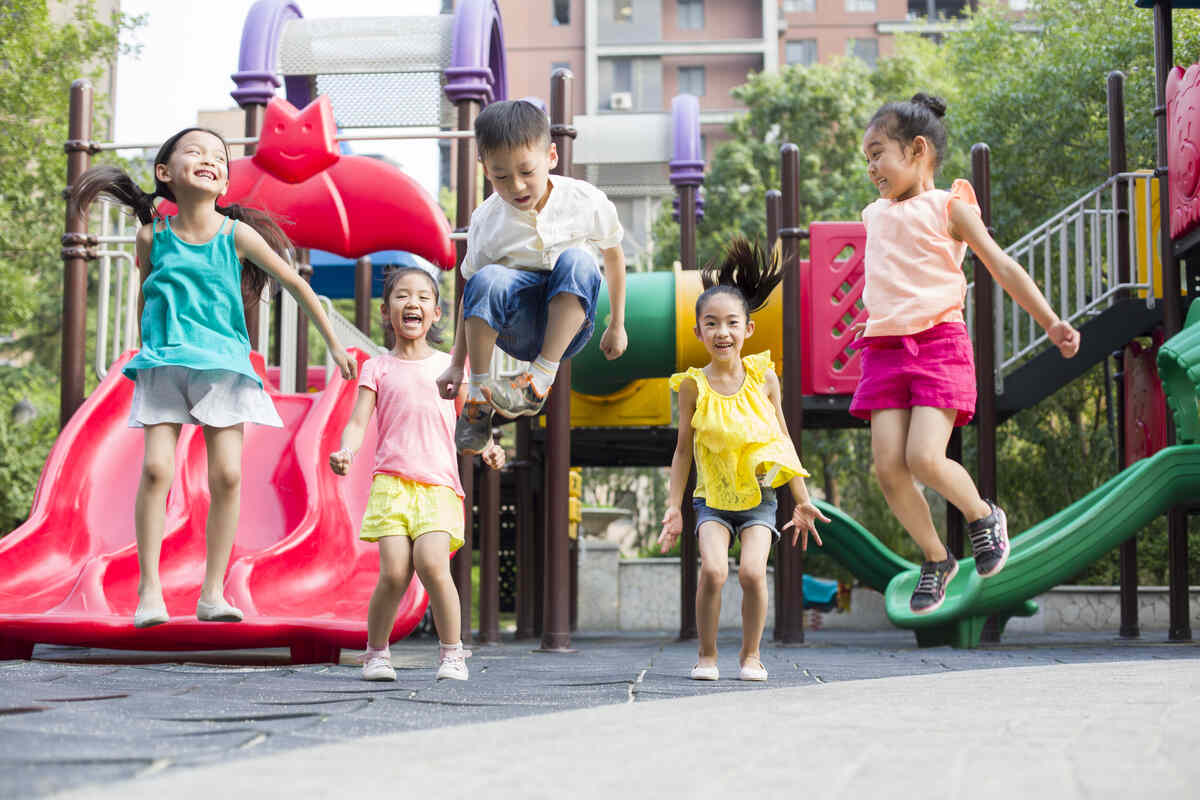
How the Right Early Environment Changes Everything
You can do a lot at home.
You can practice patience.
Encourage sharing.
Build routines.
And all of that matters.
But here’s the reality most parents feel, even if they don’t say it out loud:
You can’t replicate a full learning environment on your own.
Not while balancing work. Not while managing everything else life demands.
And that’s where environment starts to shape everything.
Why Environment Matters More Than Effort Alone
A child doesn’t build these skills in isolation.
They build them through:
Daily interaction with other children
Consistent routines
Gentle guidance from adults who understand development
This is where skills like emotional regulation, social confidence, and independence start to stick. Not from occasional practice. But from repetition in real situations.
What the Right Environment Looks Like
It’s not just a place to “watch” children. It’s a space designed to help them grow in the moments that matter. That includes:
Predictable routines that build security
Guided social interaction that teaches connection
Play-based learning that keeps children engaged
Supportive adults who step in at the right time, not every time
At Sugar N Spice, this kind of environment is intentional. Children aren’t just cared for. They’re guided through daily experiences that build emotional, social, and cognitive strength together. Because real development doesn’t happen in isolation. It happens through connection, consistency, and care.
What This Means for You as a Parent
This is where something shifts. You don’t have to carry the full weight of preparing your child alone. You don’t have to wonder every day if you’re doing enough. With the right environment:
Your child practices these skills daily
You see progress over time
You feel more confident in their growth
That peace of mind matters. Especially when you’re already balancing so much. Many parents start out feeling uncertain and questioning every decision. Wondering if their child is truly ready. Then something changes.
They begin to see small signs:
Their child handling transitions better
Engaging more with others
Becoming more confident and independent
Those moments build trust. Not just in the program, but in your child’s path forward. That’s the real outcome. Not perfection. Progress you can actually see.
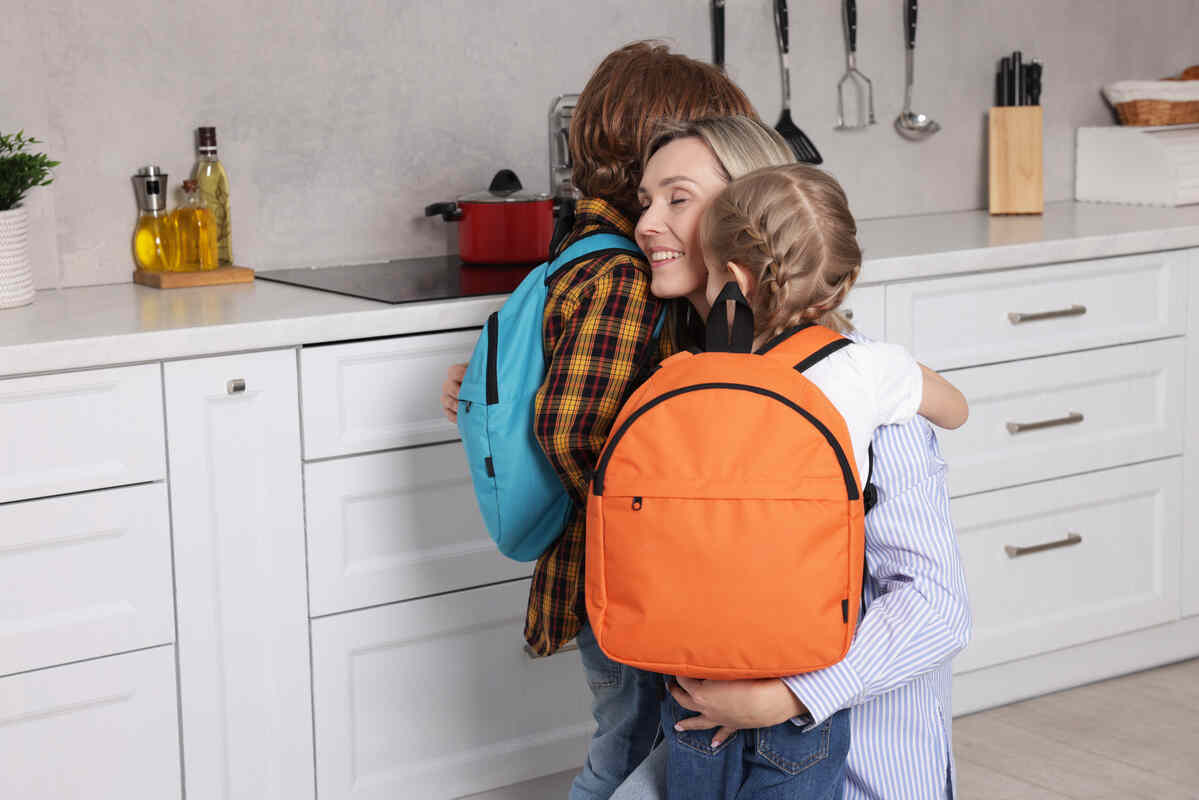
You’re Not Behind. You’re Building Something That Lasts.
It’s easy to feel like you should be doing more. Teaching more. Preparing more. Especially when kindergarten starts to feel close.
But real readiness doesn’t come from pressure. It grows through everyday moments that build confidence, one step at a time.
If your child is learning how to manage emotions, connect with others, and try things independently, they are already on the right path. These are the skills that shape how they show up in a classroom, how they handle challenges, and how they begin to believe in themselves.
And you don’t have to figure this out alone.
At Sugar N Spice Day Care & Kindergarten, children are guided through these exact moments every day. In a warm, supportive environment, they build the emotional strength, social confidence, and independence that make learning feel natural, not overwhelming.
If you want to understand how these early experiences shape your child far beyond the classroom, you can explore how kindergarten builds life skills. It offers a deeper look into how these foundations impact your child’s growth over time. You’re not trying to get everything perfect. You’re building something stronger. A child who feels secure, capable, and ready to take on new experiences with confidence.
That’s what truly lasts.

Enroll Your Child Today
Sugar N Spice Day Care & Kindergarten is proudly accepting new enrollees. Call our day care center today to hear more about our early childhood education opportunities or to schedule a tour.

2026 © Sugar N Spice Day Care & Kindergarten, LLC, All rights reserve
Privacy Policy | Terms and Conditions
Powered by Kyrios Systems